Based on the conviction that only translators who write poetry themselves can properly re-create the celebrated and timeless tragedies of Aeschylus, Sophocles, and Euripides, the Greek Tragedy in New Translations series offers new translations that go beyond the literal meaning of the Greek in order to evoke the poetry of the originals. Under the general editorship of Peter Burian and Alan Shapiro, each volume includes a critical introduction, commentary on the text, full stage directions, and a glossary of the mythical and geographical references in the play. Brimming with lusty comedy...
Based on the conviction that only translators who write poetry themselves can properly re-create the celebrated and timeless tragedies of Aeschylus, S...
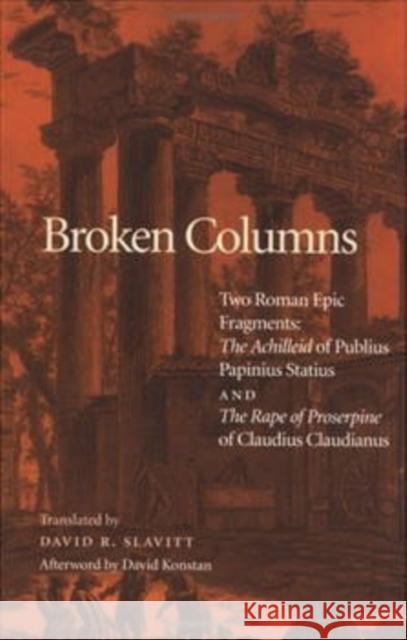
Broken Columns Two Roman Epic Fragments: "The Achilleid" of Publius Papinius Statius and "The Rape of Proserpine" of Claudius Claudianus Edited and Translated by David R. Slavitt. Afterword by David Konstan "With unerring instinct Slavitt has juxtaposed two witty and ironic post-Ovidian tales of coming of age, Statius's unfinished Deeds of Achilles and Claudian's Rape of Proserpina. Those were the mythical days when teenagers were charming and rape consensual (for Deidamia) or at least (for Proserpina) the path to queenly power. Epic was never the same after Ovid, whether in...
Broken Columns Two Roman Epic Fragments: "The Achilleid" of Publius Papinius Statius and "The Rape of Proserpine" of Claudius Claudianus Edited and Tr...
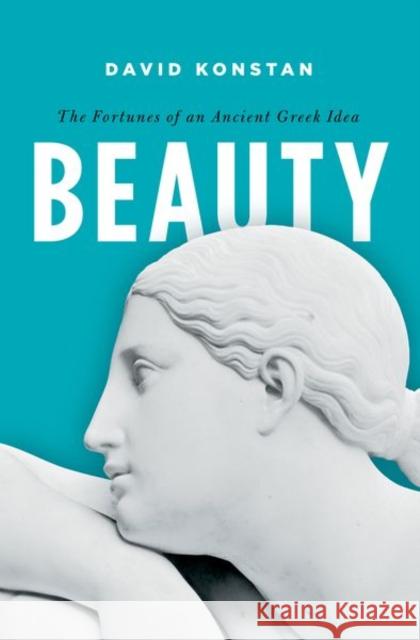
Those who study the nature of beauty are at once plagued by a singular issue: what does it mean to say something is beautiful? On the one hand, beauty is associated with erotic attraction; on the other, it is the primary category in aesthetics, and it is widely supposed that the proper response to a work of art is one of disinterested contemplation. At its core, then, beauty is a contested concept, and both sides feel comfortable appealing to the authority of Plato, and via him, to the ancient Greeks generally. So, who is right--if either? Beauty offers an...
Those who study the nature of beauty are at once plagued by a singular issue: what does it mean to say something is beautiful? On the one hand, beauty...
Epicurus, and his Roman disciple Lucretius, held that the primary cause of human unhappiness was an irrational fear of death. This book shows how such fears arose, according to the Epicureans, and why they persist even in modern societies. It offers a close examination of the basic principles of Epicurean psychology.
Epicurus, and his Roman disciple Lucretius, held that the primary cause of human unhappiness was an irrational fear of death. This book shows how such...
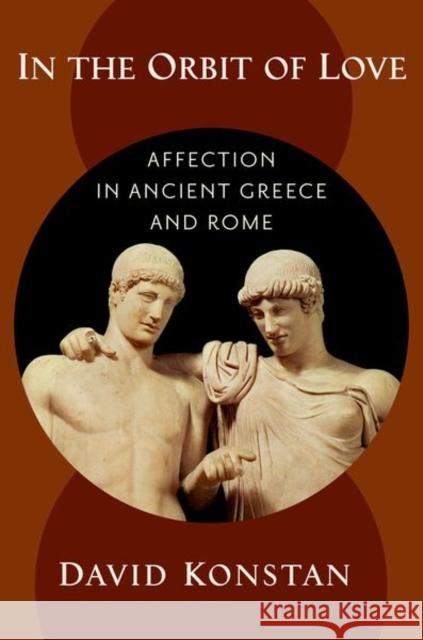
This book is about love in the classical world - not erotic passion but the love that binds together intimate members of a family and close friends, but may also include a wider range of individuals for whom we care deeply. Among the topics discussed are friendship, loyalty, gratitude, grief, and civic solidarity.
This book is about love in the classical world - not erotic passion but the love that binds together intimate members of a family and close friends, b...
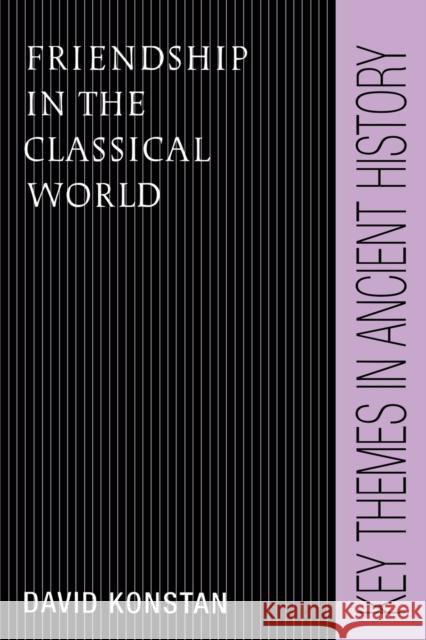
This book is a history of friendship in Greece and Rome, from the warrior society of the Homeric epics to the time of the Christian Roman Empire. It demonstrates how ancient friendship resembles modern conceptions, and how it evolves in different social contexts. The book sheds new light on such questions as friendship and democracy, the importance of friends in government and in philosophical communities, women's friendships, and the transformation of friendship under the influence of Christian ideas of brotherhood.
This book is a history of friendship in Greece and Rome, from the warrior society of the Homeric epics to the time of the Christian Roman Empire. It d...
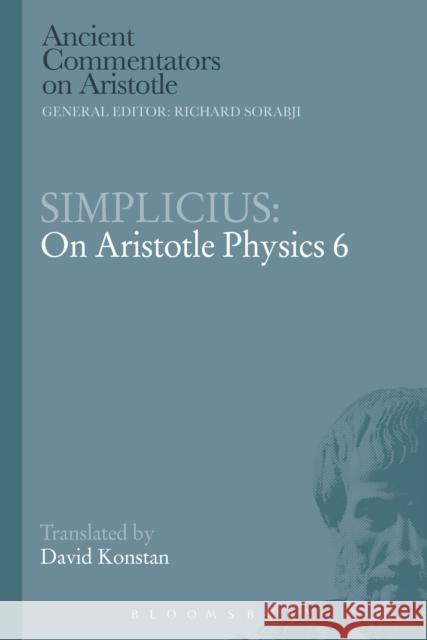
Book Six of Aristotle's Physics, which concerns the continuum, shows Aristotle at his best. It contains his attack on atomism which forced subsequent Greek and Islamic atomists to reshape their views entirely. It also elaborates Zeno's paradoxes of motion and the famous paradoxes of stopping and starting. This is the first translation into any modern language of Simplicius' commentary on Book Six. Simplicius, the greatest ancient authority on Aristotle's Physics whose works have survived to the present, lived in the sixth century A.D. He produced detailed commentaries on...
Book Six of Aristotle's Physics, which concerns the continuum, shows Aristotle at his best. It contains his attack on atomism which forced subs...