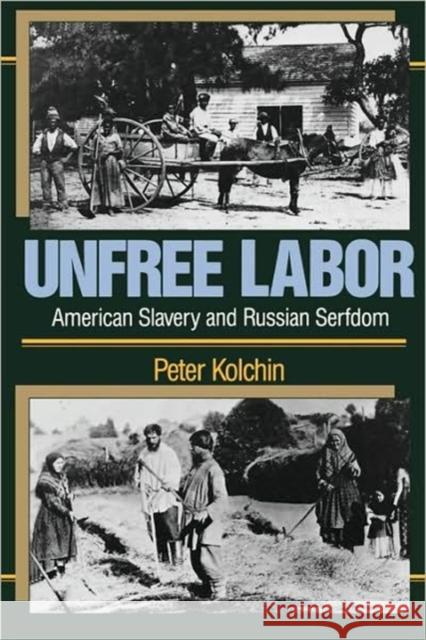
Two massive systems of unfree labor arose, a world apart from each other, in the late sixteenth and early seventeenth centuries. The American enslavement of blacks and the Russian subjection of serfs flourished in different ways and varying degrees until they were legally abolished in the mid-nineteenth century. Historian Peter Kolchin compares and contrasts the two systems over time in this magisterial book, which clarifies the organization, structure, and dynamics of both social entities, highlighting their basic similarities while pointing out important differences discernible only in...
Two massive systems of unfree labor arose, a world apart from each other, in the late sixteenth and early seventeenth centuries. The American ensla...
One reason that the South attracts so much interest is that its history inevitably involves big questions -- continuity versus change, slavery and freedom, the meaning of "race, " the formation of national identity. Because these issues are central to human experience, southern history properly conceived is of more than regional interest. In A Sphinx on the American Land, Peter Kolchin explores three comparative frameworks for the study of the nineteenth-century South in an effort to nudge the subject away from provincialism and toward the kind of global concerns that are already transforming...
One reason that the South attracts so much interest is that its history inevitably involves big questions -- continuity versus change, slavery and fre...
Crucial changes occurred during the years following the Civil War as blacks manifested their desire to live as independently as possible and to reject every social relation reminiscent of slavery. This classic study of the history of post-slave societies helped to initiate historiographic trends that remain central to the study of emancipation.
Crucial changes occurred during the years following the Civil War as blacks manifested their desire to live as independently as possible and to reject...