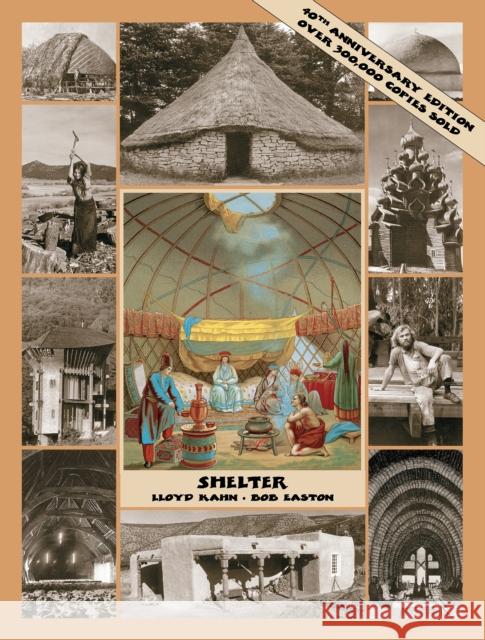
Shelter is many things - a visually dynamic, oversized compendium of organic architecture past and present; a how-to book that includes over 1,250 illustrations; and a Whole Earth Catalog-type sourcebook for living in harmony with the earth by using every conceivable material. First published in 1973, Shelter remains a source of inspiration and invention. Including the nuts-and-bolts aspects of building, the book covers such topics as dwellings from Iron Age huts to Bedouin tents to Togo's tin-and-thatch houses; nomadic shelters from tipis to "housecars"; and domes, dome cities, sod iglus,...
Shelter is many things - a visually dynamic, oversized compendium of organic architecture past and present; a how-to book that includes over 1,250 ill...
For the rural homeowner, this illustrated, easy-to-understand manual covers the basics of a septic tank and drain field, potential problems and solutions, greywater systems, composting toilets, and other alternatives. 125 illustrations. Tables.
For the rural homeowner, this illustrated, easy-to-understand manual covers the basics of a septic tank and drain field, potential problems and soluti...
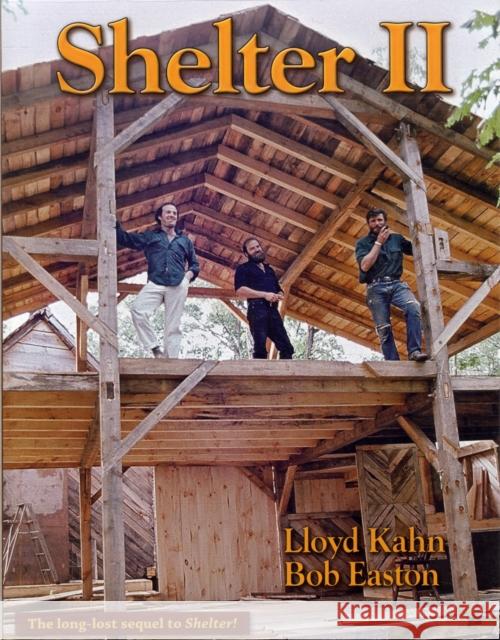
Shelter II is the second in a series of books about people building their own homes in different parts of the world. The principles outlined in Shelter, published almost 40 years ago, seem even more important today: relearning the still-usable skills of the past and doing more hand work in providing life's necessities. Shelter II provides a basic manual of design and construction for the first time house-builder. The book begins with simple shelters still being built and lived in by people with minimal resources. They can be viewed for historical or anthropological...
Shelter II is the second in a series of books about people building their own homes in different parts of the world. The principles outlined in...