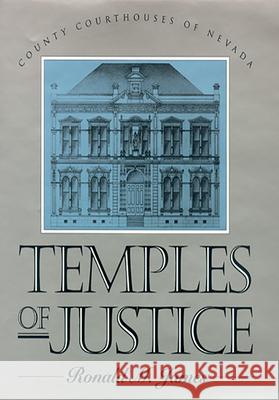
From Storey County's High Victorian Italianate-styled courthouse to Lander County's former schoolhouse, now a Neo-classical courthouse, Temples of Justice provides an architectural history of the courthouses of Nevada. Nevada has never had a published architectural history, and Temples of Justice helps fill the gap by treating the state's built environment as a series of documents from the past. By looking at the courthouses collectively, it is possible to understand the choices and influences that have affected Nevada's communities as they seek to protect an image of themselves and their...
From Storey County's High Victorian Italianate-styled courthouse to Lander County's former schoolhouse, now a Neo-classical courthouse, Temples of Jus...
This collection of essays by scholars from several disciplines examines the lives of the women, from all social classes and many ethnicities, who settled on the Comstock Lode and struggled to create a stable community in that transient boomtown setting.
This collection of essays by scholars from several disciplines examines the lives of the women, from all social classes and many ethnicities, who sett...
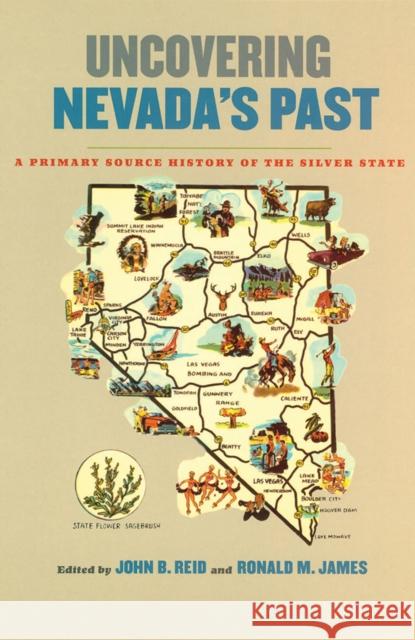
In the words of literary luminaries, newspaper articles, public documents, personal letters, political speeches and personal accounts this is an attempt to define Nevada's colorful and complex development. It describes life in a mining boomtown, racial segregation in Las Vegas, political careers and atomic testing whilst through photographs we are shown significant Nevada architecture, the masterpieces of renowned Paiute basketmaker Dat-so-la-lee and tree carvings by sheepherders. The collection ranges from the earliest descriptions of the region to the current debate on Yucca Mountain.
In the words of literary luminaries, newspaper articles, public documents, personal letters, political speeches and personal accounts this is an attem...
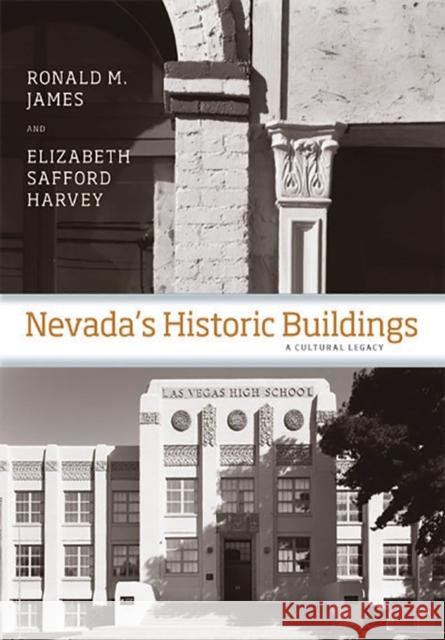
In 1991, Nevada's Commission for Cultural Affairs was created to oversee the preservation of the state's historic buildings and the conversion of the best of them for use as cultural centers. Working closely with local groups and drawing on both public and private resources, this program has rehabilitated dozens of historic structures treasured by their communities for the ways they represent the development of the state and its culture. "Nevada's Historic Buildings" highlights 90 of these buildings, describing them in the context of the state's history and the character of the people who...
In 1991, Nevada's Commission for Cultural Affairs was created to oversee the preservation of the state's historic buildings and the conversion of the ...
In 1991, Nevada's Commission for Cultural Affairs was created to oversee the preservation of the state's historic buildings and the conversion of the best of them for use as cultural centers. Working closely with local groups and drawing on both public and private resources, this program has rehabilitated dozens of historic structures treasured by their communities for the ways they represent the development of the state and its culture. "Nevada's Historic Buildings" highlights 90 of these buildings, describing them in the context of the state's history and the character of the people who...
In 1991, Nevada's Commission for Cultural Affairs was created to oversee the preservation of the state's historic buildings and the conversion of the ...
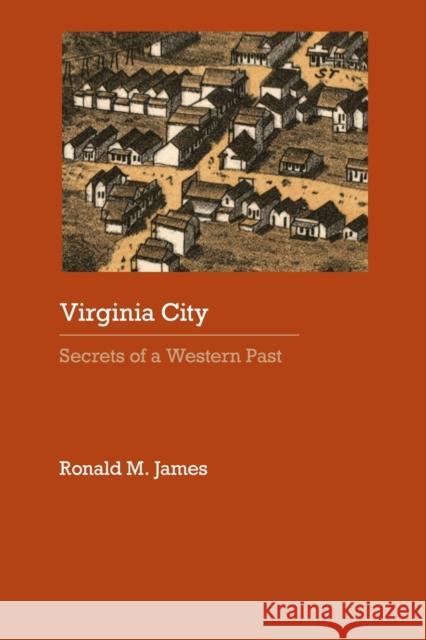
Spent cartridges. The pieces of an original Tabasco Pepper Sauce bottle. Shards of a ceramic pot, stained red. For archaeologists each of the thousands of artifacts uncovered at a site tells a story. For noted Comstock authority Ronald M. James, it is a story resulting from decades of research and excavation at one of the largest National Historic Landmarks in America, the Nevada town that, with the discovery of the Comstock Lode, became a boomtown microcosm of the American West. Drawing on the work of hundreds of volunteers, students, and professional archaeologists, Virginia City:...
Spent cartridges. The pieces of an original Tabasco Pepper Sauce bottle. Shards of a ceramic pot, stained red. For archaeologists each of the thousand...
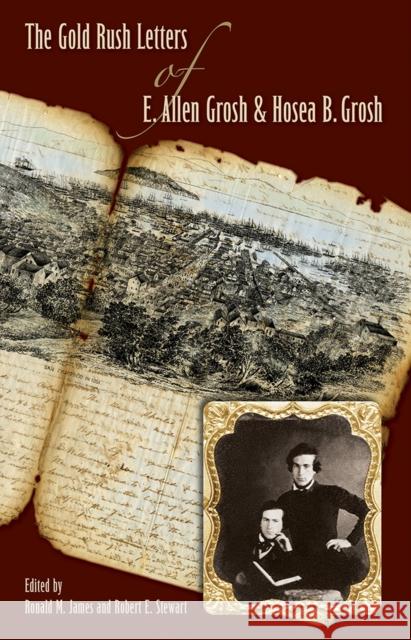
When brothers Ethan and Hosea Grosh left Pennsylvania in 1849, they joined throngs of men from all over the world intent on finding a fortune in the California Gold Rush. Their search for wealth took them from San Francisco into the gold country and then over the Sierra into Nevada s Gold Canyon, where they placer-mined for gold and discovered a deposit of silver. The letters they sent back to their family offer vivid commentaries on the turbulent western frontier, the diverse society of the Gold Rush camps, and the heartbreaking labor and frustration of mining. Their lively descriptions of...
When brothers Ethan and Hosea Grosh left Pennsylvania in 1849, they joined throngs of men from all over the world intent on finding a fortune in the C...
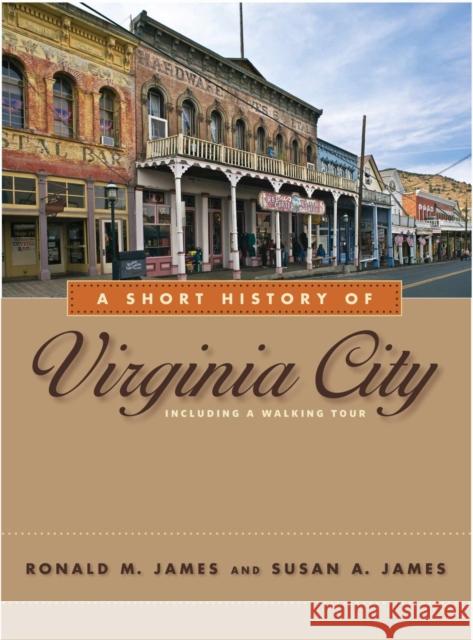
Founded in 1859, Virginia City quickly became world famous for its extraordinary prosperity. Over the next two decades, the mines of the Richest City on Earth yielded millions in gold and silver. The newly wealthy built mansions and churches, opera houses and schools, with furniture, fashions, and entertainment imported from Europe and the Far East. Here young Samuel Clemens, reporting for the Territorial Enterprise in 1863, first called himself Mark Twain. At its height Virginia City was a magnet for immigrants and the world leader in technological innovations in mining. The city...
Founded in 1859, Virginia City quickly became world famous for its extraordinary prosperity. Over the next two decades, the mines of the Richest City ...
When brothers Ethan and Hosea Grosh left Pennsylvania in 1849, they joined throngs of men from all over the world intent on finding a fortune in the California Gold Rush. Their search for wealth took them from San Francisco into the gold country and then over the Sierra into Nevada s Gold Canyon, where they placer-mined for gold and discovered a deposit of silver. The letters they sent back to their family offer vivid commentaries on the turbulent western frontier, the diverse society of the Gold Rush camps, and the heartbreaking labor and frustration of mining. Their lively descriptions of...
When brothers Ethan and Hosea Grosh left Pennsylvania in 1849, they joined throngs of men from all over the world intent on finding a fortune in the C...