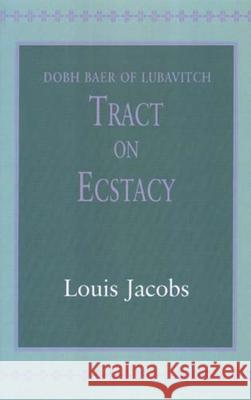
Dobh Bear of Lubavitch (1773-1827), the author of Tract on Ecstasy, assumed the leadership of the Hasidic sect of Habad on the death of its founder, Schneor Zalman of Liady. The tract is in the form of a letter, sent by Dobh Baer to his followers, advising them on the role of ecstasy in the religious life. Although the teachers of Hasidism were seasoned Talmudists who could not have been accused of neglecting the claims of the intellect in the life of religion, it remains true, nonetheless, that for most of them Hasidism appealed chiefly to the emotions. Religious ecstasy, particularly in...
Dobh Bear of Lubavitch (1773-1827), the author of Tract on Ecstasy, assumed the leadership of the Hasidic sect of Habad on the death of its founder, S...
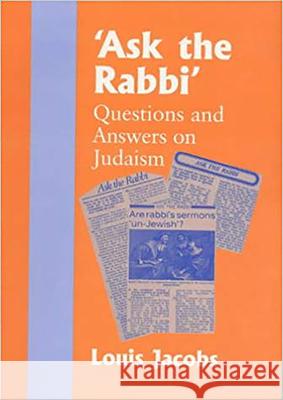
The 'Ask the Rabbi' column in the Jewish Chronicle was an extremely popular weekly feature of the paper. During more than 25 years, over 1,000 lively questions and answers accumulated, of which this book is a selection arranged according to various themes. It can now be disclosed that the author of the replies was Rabbi Louis Jacobs who, without refraining from expressing his own, occasionally controversial views, presented fairly the Orthodox position as well as that of Reform and Liberal Judaism where this differed from Orthodoxy. This book is a mine of information on the Jewish religion...
The 'Ask the Rabbi' column in the Jewish Chronicle was an extremely popular weekly feature of the paper. During more than 25 years, over 1,000 lively ...
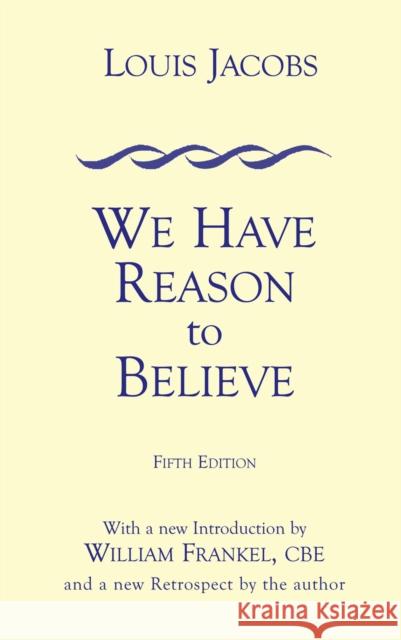
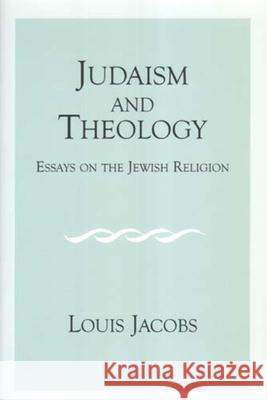
This book examines the basic beliefs of Judaism in light of modern thought. Its shape is traditional but not fundamentalist. This book, the main cause of the 'Jacobs Affair' in which the author's appointment to an Orthodox Rabbinic position was vetoed, suggests that the doctrine Torah Min Ha-Shamayyin (The Torah is from Heaven) needs to be reinterpreted so as not to be in conflict with modern knowledge. The controversy erupted again in the 1990s when Chief Rabbi Jonathan Sacks declared that those who hold views similar to the author's have severed links with the faith of their ancestors. This...
This book examines the basic beliefs of Judaism in light of modern thought. Its shape is traditional but not fundamentalist. This book, the main cause...
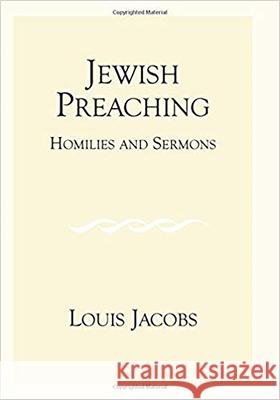
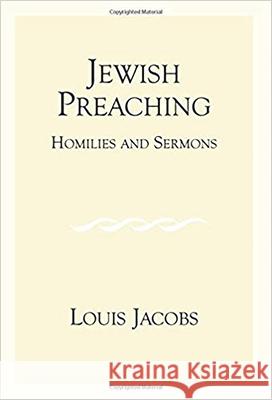
Rabbi Jacobs, with sixty years' experience of pulpit work to his credit, provides a number of homilies for each weekly portion of the modern sermon and for the chapters of Ethics of the Fathers. The text for the modern sermon is usually the sidra, the wee
Rabbi Jacobs, with sixty years' experience of pulpit work to his credit, provides a number of homilies for each weekly portion of the modern sermon an...
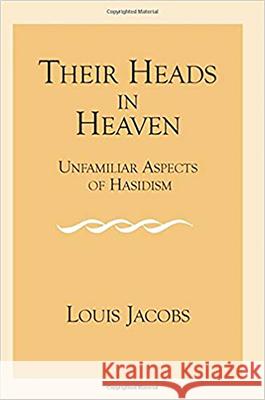
Sheds light on obscure corners of the Hasidic movement and the lives of the Rebbes. After a brief account of the history and rise of Hasidism in the eighteenth century to its restoration in the New World after the Holocaust, novel developments, some of them startling, are examined. The book surveys the whole question of the relationship of the Rebbe to his disciples, showing that it was not always beneficial. As a fascinating essay in the book demonstrates, the holy man could be a source of numinous power, bringing danger as well as goodwill.
Sheds light on obscure corners of the Hasidic movement and the lives of the Rebbes. After a brief account of the history and rise of Hasidism in the e...
Provides four detailed understandings of the nature and scope of the Babylonian Talmud, outlining the state-of-the-art studies of the subject as well as some problems still awaiting solution, such as who were the actual editors of the Bavli and how they went about their work. This is followed by seven comprehensive examinations of the Talmudic method as seen from the complete unit of the Talmud, the Sugya. The concluding section of the books deals with Rabbinics, the works of post-Talmudic scholars who sought to bring the Talmudic discussions to life in the Jewish community.
Provides four detailed understandings of the nature and scope of the Babylonian Talmud, outlining the state-of-the-art studies of the subject as well ...
Rabbi Jacobs, with sixty years' experience of pulpit work to his credit, provides a number of homilies for each weekly portion of the modern sermon and for the chapters of Ethics of the Fathers. The text for the modern sermon is usually the sidra, the wee
Rabbi Jacobs, with sixty years' experience of pulpit work to his credit, provides a number of homilies for each weekly portion of the modern sermon an...
Sheds light on obscure corners of the Hasidic movement and the lives of the Rebbes. After a brief account of the history and rise of Hasidism in the eighteenth century to its restoration in the New World after the Holocaust, novel developments, some of them startling, are examined. The book surveys the whole question of the relationship of the Rebbe to his disciples, showing that it was not always beneficial. As a fascinating essay in the book demonstrates, the holy man could be a source of numinous power, bringing danger as well as goodwill.
Sheds light on obscure corners of the Hasidic movement and the lives of the Rebbes. After a brief account of the history and rise of Hasidism in the e...
Addresses some of the most burning questions but also provides surveys of contemporary Jewish religious life in the various communities and of the attitudes of Jewish thinkers to other religious faiths. For the first time a comprehensive account of Halakhic attitudes towards Christianity is presented. The differences in Jewish mystical thought and that of Christianity and other faiths are studied, along with the Jewish view of the relationship of faith to tradition compared with that of other religions.
Addresses some of the most burning questions but also provides surveys of contemporary Jewish religious life in the various communities and of the att...
Provides four detailed understandings of the nature and scope of the Babylonian Talmud, outlining the state-of-the-art studies of the subject as well as some problems still awaiting solution, such as who were the actual editors of the Bavli and how they went about their work. This is followed by seven comprehensive examinations of the Talmudic method as seen from the complete unit of the Talmud, the Sugya. The concluding section of the books deals with Rabbinics, the works of post-Talmudic scholars who sought to bring the Talmudic discussions to life in the Jewish community.
Provides four detailed understandings of the nature and scope of the Babylonian Talmud, outlining the state-of-the-art studies of the subject as well ...