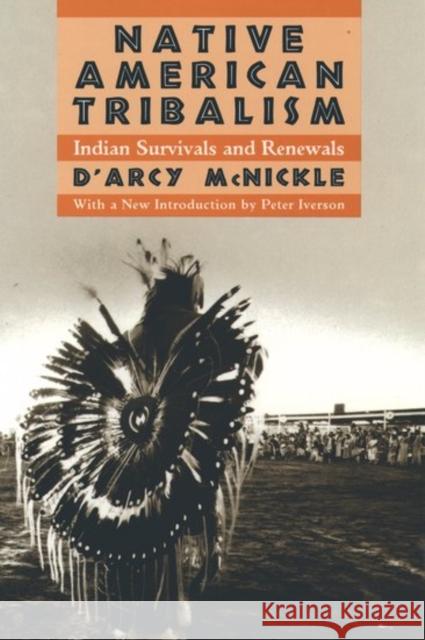
Contrary to the white man's early expectations, the Indian tribes of North America neither vanished nor assimilated. Despite almost 400 years of contact with the dominant--and usually domineering--Western civilization, Native Americans have maintained their cultural identity, the size, social organization, and frequently the location of their population, and their unique position before the law. Now brought up to date with a new introduction by Peter Iverson, this classic book reviews the history of contact between whites and Indians, explaining how the aboriginal inhabitants of North...
Contrary to the white man's early expectations, the Indian tribes of North America neither vanished nor assimilated. Despite almost 400 years of co...
-- Collected almost 100 years ago, these timeless tales reveal the central beliefs and guiding principles of Winnebago, Ojibwa, Menominee, and other peoples and provide a window into their outlook and aspirations. An introduction by historian Peter Iverson highlights the divergent ways Native American identity has been constructed through such legends.
-- Collected almost 100 years ago, these timeless tales reveal the central beliefs and guiding principles of Winnebago, Ojibwa, Menominee, and other p...
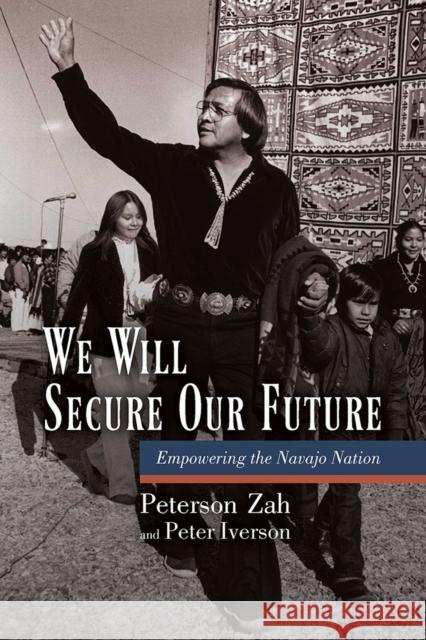
Nearing graduation from Phoenix Indian School, Peterson Zah decided he wanted to attend college. He was refused the reference letters needed for college admission by teachers who told him he would fail and thus embarrass them. Several years later, these instructors would receive invitations from Zah to a party celebrating his graduation from Arizona State University. And so began a career that took Zah to the presidency of the Navajo Nation. His life and accomplishments have exemplified the ongoing efforts by American Indian communities to gain greater control over their lives and lands....
Nearing graduation from Phoenix Indian School, Peterson Zah decided he wanted to attend college. He was refused the reference letters needed for colle...
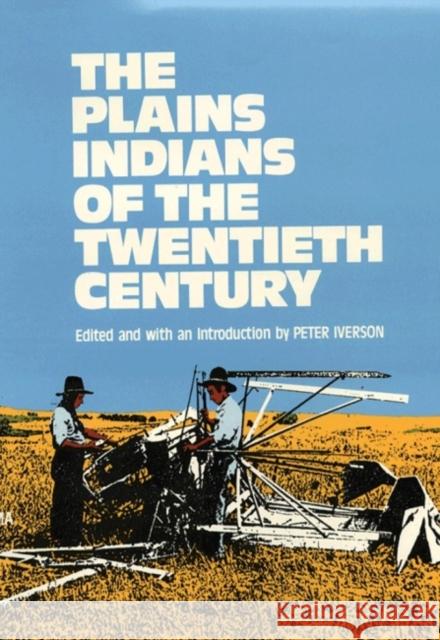
The massacre at Wounded Knee, South Dakota, in the December snows of 1890 was the last formal military encounter between the United States and Indian tribes. It is also the event with which most studies of Indian history conclude. Histories of Indian life since then are, as Vine Deloria, Jr., has stressed, sorely needed.
With this pioneering anthology Peter Iverson clears the way for future studies of twentieth-century Plains Indian life. He begins with a capsule history and introduces eleven articles by leading scholars in the field. Iverson's collection emphasizes the ability of Plains...
The massacre at Wounded Knee, South Dakota, in the December snows of 1890 was the last formal military encounter between the United States and Indi...
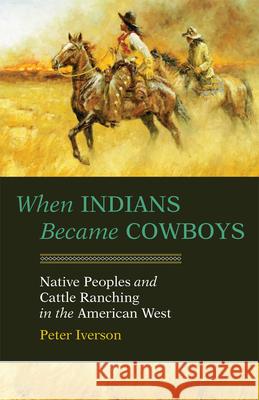
In this book on Indian cattle ranching, Peter Iverson describes a way of life that has been both economically viable and socially and culturally rewarding. Thus an Indian rancher can demonstrate his generosity and his concern for the well-being of others by giving cattle or beef to relatives, or by feeding people at a celebration. An expert rider possesses a skill appreciated by others. A rancher who raises prime cattle demonstrates that Indians can compete in an activity that dominates the surrounding non-Indian society. Focusing on the northern plains and the Southwest, Iverson traces the...
In this book on Indian cattle ranching, Peter Iverson describes a way of life that has been both economically viable and socially and culturally rewar...
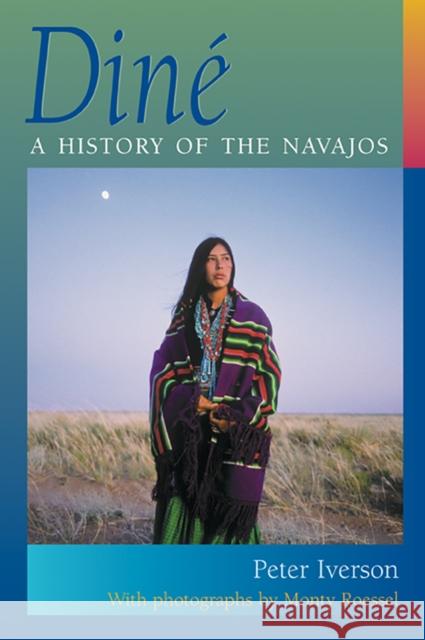
This comprehensive narrative traces the history of the Navajos from their origins to the beginning of the twenty-first century. Based on extensive archival research, traditional accounts, interviews, historic and contemporary photographs, and firsthand observation, it provides a detailed, up-to-date portrait of the Dine past and present that will be essential for scholars, students, and interested general readers, both Navajo and non-Navajo.
As Iverson points out, Navajo identity is rooted in the land bordered by the four sacred mountains. At the same time, the Navajos have always...
This comprehensive narrative traces the history of the Navajos from their origins to the beginning of the twenty-first century. Based on extensive ...
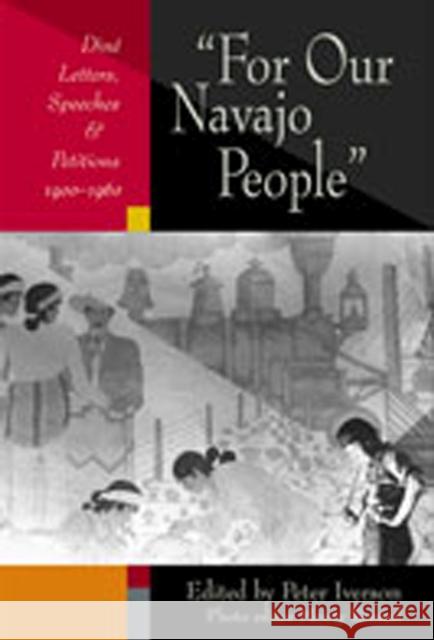
One hundred documents written by Dine men, women, and children speaking for themselves and on behalf of their communities are collected in this book. Discovered during Iverson's research for Dine: A History of the Navajos, these letters, speeches, and petitions, almost all previously unpublished, provide a uniquely moving portrait of the Dine during an era in which they were fighting to defend their lands and to build the Navajo Nation.
Six crucial, overlapping subjects are addressed here: land, community, education, rights, government, and identity. Brief introductions to...
One hundred documents written by Dine men, women, and children speaking for themselves and on behalf of their communities are collected in this boo...
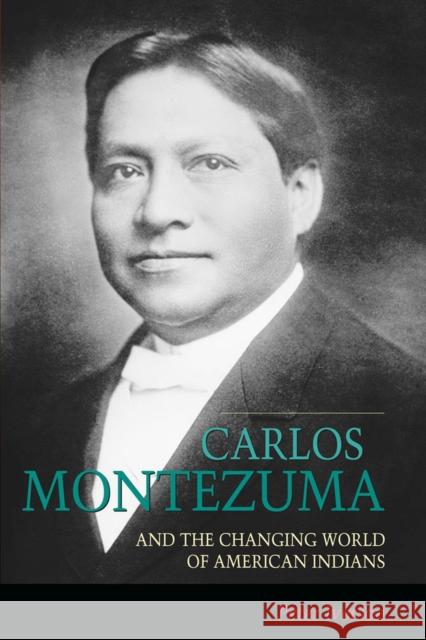
Carlos Montezuma (1866-1923) was one of the great Native American crusaders for Indian rights in the early twentieth century. This biography by an authority on Southwest Indian history tells a dramatic story that sheds light both on Montezuma's career and on the movements he influenced. A southern Arizona Yavapai called Wassaja by his parents, Montezuma was captured by rival tribesman as a boy and sold to a white man who gave him the name by which we know him. Trained as a physician, his career as a reformer began when he went to work at the Carlisle Indian School, for here--in addition to...
Carlos Montezuma (1866-1923) was one of the great Native American crusaders for Indian rights in the early twentieth century. This biography by an aut...
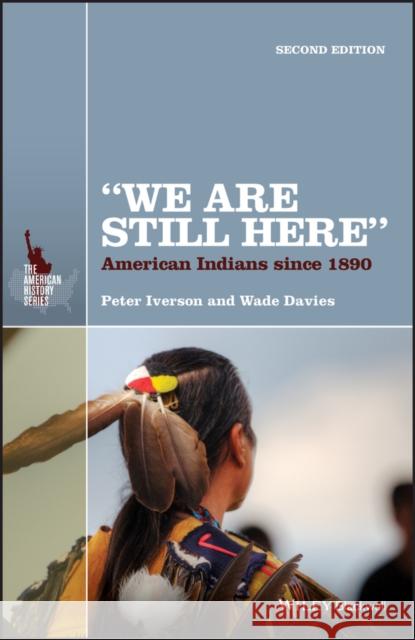
In addition to revisions and updates, the second edition of -We Are Still Here- features new material, seeing this well-loved American History Series volume maintain its treatment of American Indians in the 20th century while extending its coverage into the opening decades of the 21st century.
Provides student and general readers concise and engaging coverage of contemporary history of American Indians contributed by top scholars and instructors in the field
Represents an ideal supplement to any U.S. or Native American survey text
...
In addition to revisions and updates, the second edition of -We Are Still Here- features new material, seeing this well-loved American Histo...
Nearing graduation from Phoenix Indian School, Peterson Zah decided he wanted to attend college. He was refused the reference letters needed for college admission by teachers who told him he would fail and thus embarrass them. Several years later, these instructors would receive invitations from Zah to a party celebrating his graduation from Arizona State University. And so began a career that took Zah to the presidency of the Navajo Nation. His life and accomplishments have exemplified the ongoing efforts by American Indian communities to gain greater control over their lives and lands....
Nearing graduation from Phoenix Indian School, Peterson Zah decided he wanted to attend college. He was refused the reference letters needed for colle...