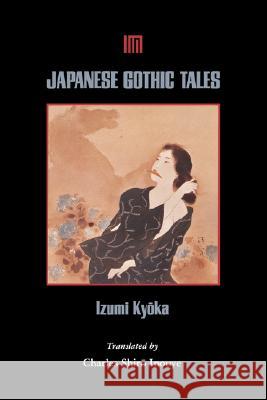
Resisting the various forms of realism popular during the Meiji enlightenment, Izumi Kyoka (1873-1939) was among the most popular writers who continued to work in the old-fashioned genres of fantasy, mystery, and romance. Gothic Tales makes available for the first time a collection of stories by this highly influential writer, whose decadent romanticism led him to envision an idiosyncratic world--a fictive purgatory --precious and bizarre though always genuine despite its melodramatic formality.
The four stories presented here are among Kyoka's best-known works. They are drawn from...
Resisting the various forms of realism popular during the Meiji enlightenment, Izumi Kyoka (1873-1939) was among the most popular writers who conti...
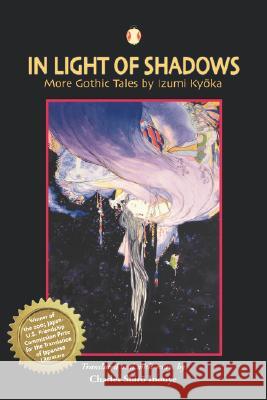
In Light of Shadows is the long-awaited second volume of short fiction by the Meiji-Taisho writer Izumi Kyoka. It includes the famous novella Uta andon (A story by lantern light), the bizarre, antipsychological story Mayu kakushi no rei (A quiet obsession), and Kyoka's hauntingly erotic final work, Rukoshinso (The heartvine), as well as critical discussions of each of these three tales. Translator Charles Inouye places Kyoka's literature of shadows (kage no bungaku) within a worldwide gothic tradition even as he refines its Japanese context. Underscoring Kyoka's relevance for a...
In Light of Shadows is the long-awaited second volume of short fiction by the Meiji-Taisho writer Izumi Kyoka. It includes the famous novella Uta a...
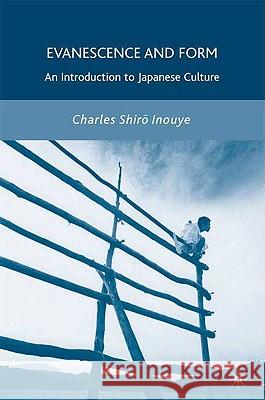
This book explores the Japanese notion of hakanasa - the evanescence of all things. Responses to this idea have been various and even contradictory: asceticism, fatalism, conformism, hedonism, materialism, and careerism. This book examines the ties between an epistemology of constant change and Japan's formal emphasis on etiquette and visuality.
This book explores the Japanese notion of hakanasa - the evanescence of all things. Responses to this idea have been various and even contradictory: a...
This book explores the Japanese notion of hakanasa - the evanescence of all things. Responses to this idea have been various and even contradictory: asceticism, fatalism, conformism, hedonism, materialism, and careerism. This book examines the ties between an epistemology of constant change and Japan's formal emphasis on etiquette and visuality.
This book explores the Japanese notion of hakanasa - the evanescence of all things. Responses to this idea have been various and even contradictory: a...