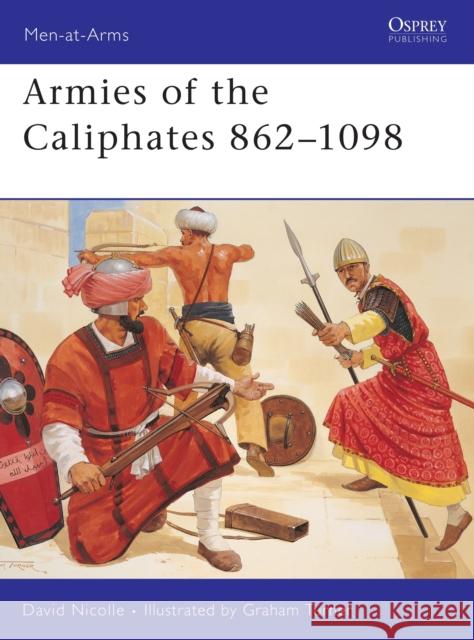
The 8th century heralded the start of a golden age in the history of the Islamic world. At this time, the Sunni Muslim 'Abbasid Caliphate, with its capital at Baghdad, ruled virtually the entire Islamic world. Islamic military power peaked in the 9th century, but by the end of this golden age in the 11th century, the 'Abbasid Caliphs had little political and virtually no military power. Featuring numerous photographs of artefacts and eight full colour plates by Graham Turner, David Nicolle's book examines the recruitment, organization, weaponry and uniforms of the armies of the Caliphates...
The 8th century heralded the start of a golden age in the history of the Islamic world. At this time, the Sunni Muslim 'Abbasid Caliphate, with its ca...
The Islamic world developed its own highly sophisticated, effective and varied style of fortification. It drew upon pre-existing Romano-Byzantine, Iranian, Central Asian and Indian traditions of military architecture, plus influences from China, to produce something new and distinctive. In turn, Islamic concepts of military architecture influenced fortifications throughout the Byzantine Empire and, to an even greater extent, in Western Europe. One key point of distinction with the latter in particular was that Islamic fortifications were primarily focussed upon defending cities and frontiers,...
The Islamic world developed its own highly sophisticated, effective and varied style of fortification. It drew upon pre-existing Romano-Byzantine, Ira...
-He who relies on militia leans upon a broken cane.- (George Washington)
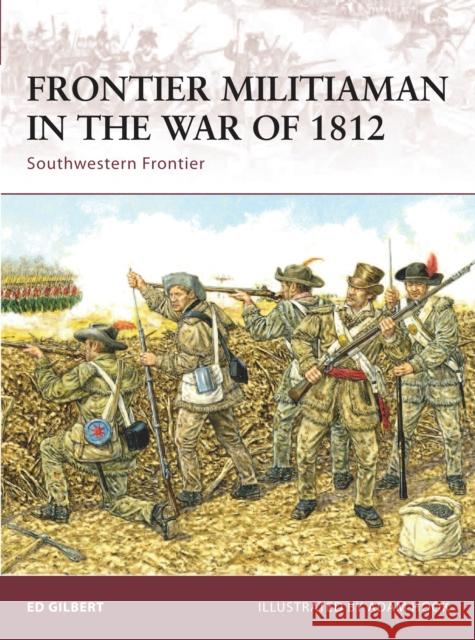
Osprey's survey of militiamen of the War of 1812. The great military effectiveness of semi-trained local militia is one of the enduring myths of American military history. In this book Ed Gilbert reveals the truth behind this myth. Quoting from memoirs of men like Sam Dale, Sam Houston, and rare histories, he sheds light on who these frontier men actually were. He chronicles how militiamen, ranging from hard-working farmers to politicians like Davy Crockett, were transformed through hard campaigning, fierce...
-He who relies on militia leans upon a broken cane.- (George Washington)
Osprey's survey of militiamen of the War of 1812. The great military...
The road to Gettysburg began at Brandy Station on June 9, 1863 during the American Civil War (1861-1865). However, the cavalry clash in Culpeper County, Virginia, counts for more than just the opening round of Lee's second invasion of the North. The battle showed both sides that the Federal cavalry had now come of age, that Blue and Gray horsemen were now equal in ability. Early in the morning on June 9, Pleasanton launched his men, split into two divisions, across the Rappahannock at Beverley's Ford to the north of Brandy Station and Kelly's Ford to the south. Stuart was caught completely...
The road to Gettysburg began at Brandy Station on June 9, 1863 during the American Civil War (1861-1865). However, the cavalry clash in Culpeper Co...
By the time of the Crusades, the Islamic world had developed its own sophisticated styles of fortification. Distinctive and highly effective, the region's unique military architecture continued to evolve in response to the Crusader and Mongol threats, and also drew upon the traditions of their foes and neighbors. The resulting Islamic concepts of military architecture had an influence upon fortifications in Western Europe, including Italy and the Iberian Peninsula. Rather than providing security for feudal aristocracies, however, as was increasingly the case in Europe, Islamic...
By the time of the Crusades, the Islamic world had developed its own sophisticated styles of fortification. Distinctive and highly effective, the r...
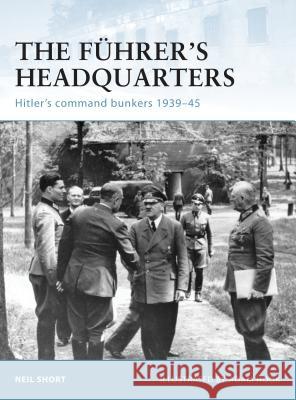
The 100th title in the Fortress series, this book describes and examines the Fuhrerhauptquartiere - the 14 or so headquarters built for Hitler. Revealing their locations and how they were used to direct the Nazi war apparatus, this is a fascinating insight into a range of historical sites from Berghof to the Wolf's Lair.
With a map showing the locations of all of Hitler's bunkers and fortifications on the eastern and western fronts and illustrated with photographs and specially commissioned artwork, this book is an essential introduction to Hitler's command structures and recreates...
The 100th title in the Fortress series, this book describes and examines the Fuhrerhauptquartiere - the 14 or so headquarters built for Hitler. Rev...
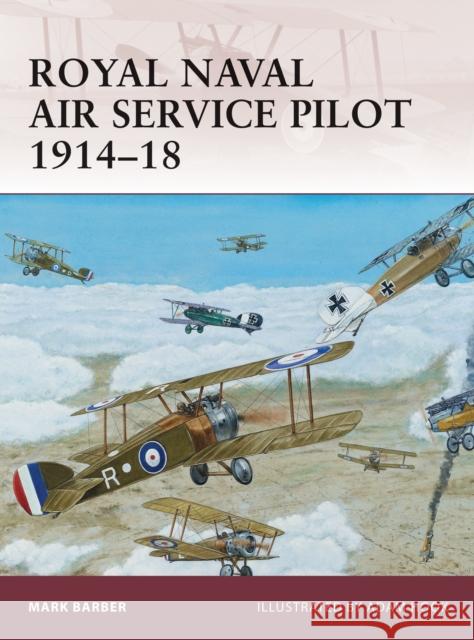
Osprey's survey of the Royal Naval Air Service pilot during World War I (1914-1918). In 1914 the Naval Wing of the Royal Flying Corps was subsumed into the Royal Naval Air Service (RNAS). With the bulk of the Royal Flying Corps engaged in France, the aircraft and seaplane pilots of the RNAS protected Britain from the deadly and terrifying Zeppelin menace. In 1915 the RNAS sent aircraft to support the operations in the Dardanelles, and also gave increasing support to the Royal Flying Corps units engaged on the Western Front, conducting reconnaissance, intelligence gathering and artillery...
Osprey's survey of the Royal Naval Air Service pilot during World War I (1914-1918). In 1914 the Naval Wing of the Royal Flying Corps was subsumed int...
This title explores the contribution made by settlers, explorers, traders and goldseekers of various nations to the nascent architecture of the West Coast of the United States. In doing so, it charts the progress westwards of those who claimed new land as their own, and defended it with forts and blockhouses, and the resulting conflicts with indigenous Native American peoples. Packed with detailed illustrations, this book provides a fascinating study of the westward advance of modern America, and covers sites such as Fort Point at the entrance to San Francisco Bay, the Presidio of San...
This title explores the contribution made by settlers, explorers, traders and goldseekers of various nations to the nascent architecture of the West C...
Entering service in 1931, the 9x19mm Suomi KP/-31 submachine gun saw extensive combat with Finnish troops during their fight against Soviet forces in 1939-44. It was also manufactured under licence in Switzerland, Denmark and Sweden, and remained in Finnish service until the 1980s, an indication of its durability.
Rugged and accurate, the Suomi was a favourite with Finnish ski troops who would strike from ambush, cutting down Soviet troops, then skiing away into the woods. Initially used by the Finns as a light machine gun at infantry squad level, it eventually became a dedicated...
Entering service in 1931, the 9x19mm Suomi KP/-31 submachine gun saw extensive combat with Finnish troops during their fight against Soviet forces ...
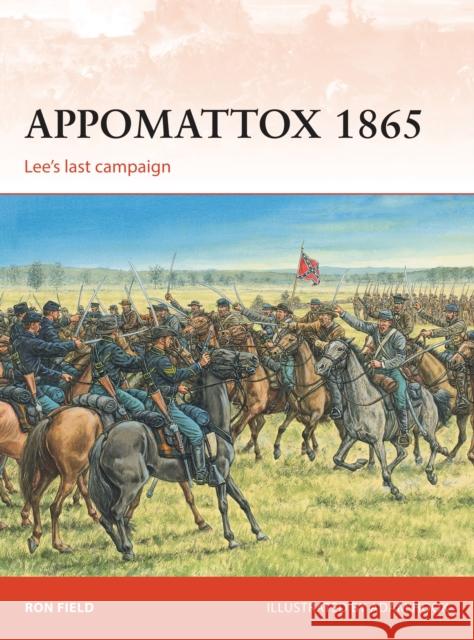
From an internationally renowned expert on US history, this highly illustrated title details the curtain-closing campaign of the Civil War in the East. Ulysses S. Grant's Army of the Potomac and Robert E. Lee's Army of Northern Virginia faced up to one another one last time, as Lee conducted a desperate series of withdrawals and retreats down the line of Richmond and Danville Railroad.
This book, drawing on the detailed visual aid of bird's eye views and maps, tells the full story of the skirmishes and pursuits that led directly to Lee's surrender, as his frantic efforts to...
From an internationally renowned expert on US history, this highly illustrated title details the curtain-closing campaign of the Civil War in the E...