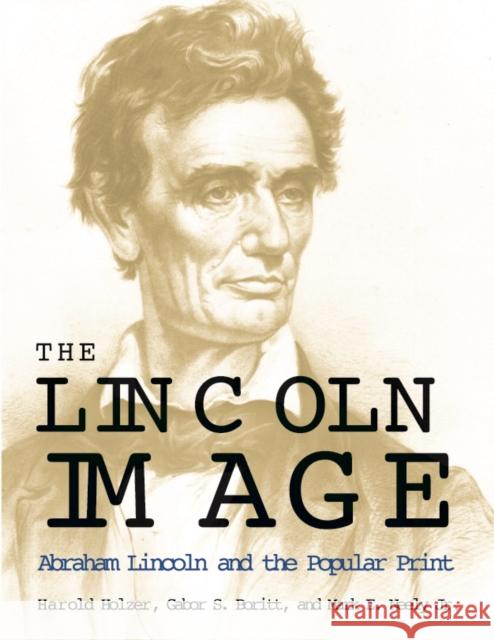
A fascinating examination of the relationship between Lincoln's image, the printmaker's craft, and the political culture that helped shape them both, "The Lincoln Image" documents how printmakers both chronicled and influenced the president's transformation into an American icon. 106 photos.
A fascinating examination of the relationship between Lincoln's image, the printmaker's craft, and the political culture that helped shape them both, ...
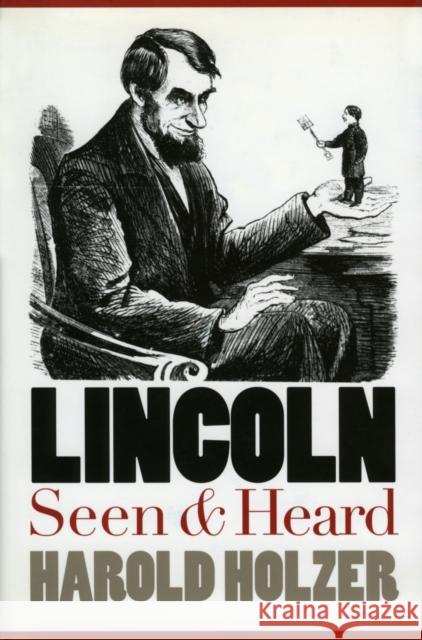
His image today is part of America, from the penny to Mount Rushmore, but in his own day Abraham Lincoln was as much reviled as he was revered, and he remained a controversial figure up to the time of his assassination. Now one of our preeminent authorities on Lincoln charts his rocky road from obscure western politician to national icon. In Lincoln Seen and Heard, Harold Holzer probes the development of Lincoln's image and reputation in his own time. He examines a vast array of visual and documentary sources to demonstrate the president's impact both on the public and on the...
His image today is part of America, from the penny to Mount Rushmore, but in his own day Abraham Lincoln was as much reviled as he was revered, and he...
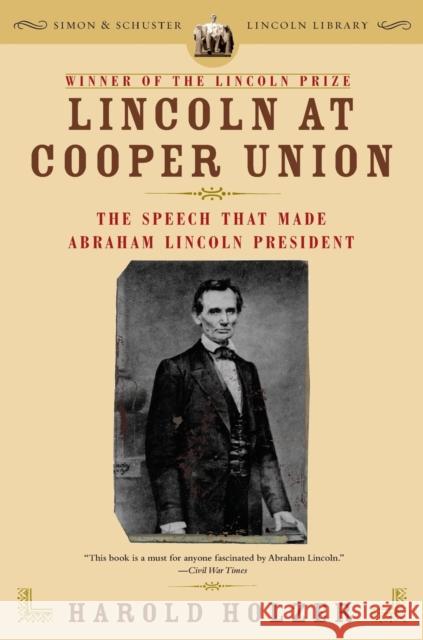
Winner of the Lincoln Prize Lincoln at Cooper Union explores Lincoln's most influential and widely reported pre-presidential address -- an extraordinary appeal by the western politician to the eastern elite that propelled him toward the Republican nomination for president. Delivered in New York in February 1860, the Cooper Union speech dispelled doubts about Lincoln's suitability for the presidency and reassured conservatives of his moderation while reaffirming his opposition to slavery to Republican progressives. Award-winning Lincoln scholar Harold Holzer places Lincoln and...
Winner of the Lincoln Prize Lincoln at Cooper Union explores Lincoln's most influential and widely reported pre-presidential address -- an ...
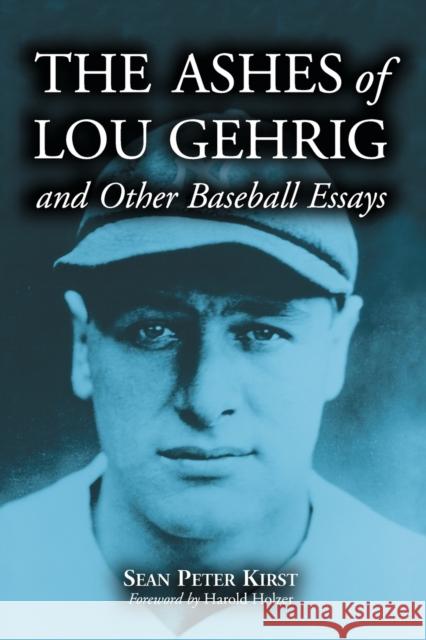
The parents and widow of Lou Gehrig were so concerned about the potential desecration of his grave that they considered moving his ashes to the Hall of Fame. Kirst's essay on Gehrig's ashes and numerous other essays are put together from dozens of personal interviews with baseball characters.
The parents and widow of Lou Gehrig were so concerned about the potential desecration of his grave that they considered moving his ashes to the Hall o...
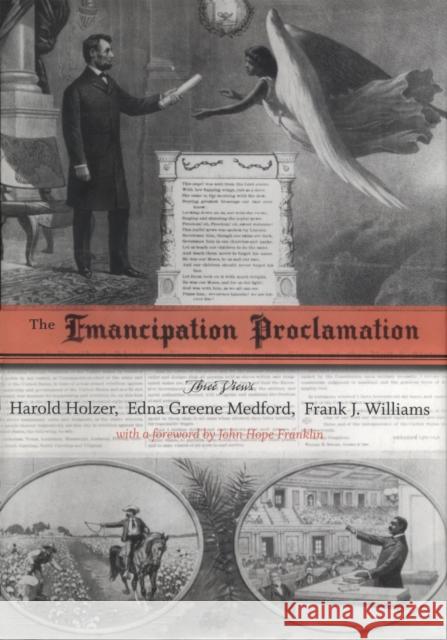
Harold Holzer Edna Greene Medford Frank J. Williams
The Emancipation Proclamation is the most important document of arguably the greatest president in U.S. history. Now, Edna Greene Medford, Frank J. Williams, and Harold Holzer -- eminent experts in their fields -- remember, analyze, and interpret the Emancipation Proclamation in three distinct respects: the influence of and impact upon African Americans; the legal, political, and military exigencies; and the role pictorial images played in establishing the document in public memory. The result is a carefully balanced yet provocative study that views the proclamation and its author from the...
The Emancipation Proclamation is the most important document of arguably the greatest president in U.S. history. Now, Edna Greene Medford, Frank J....
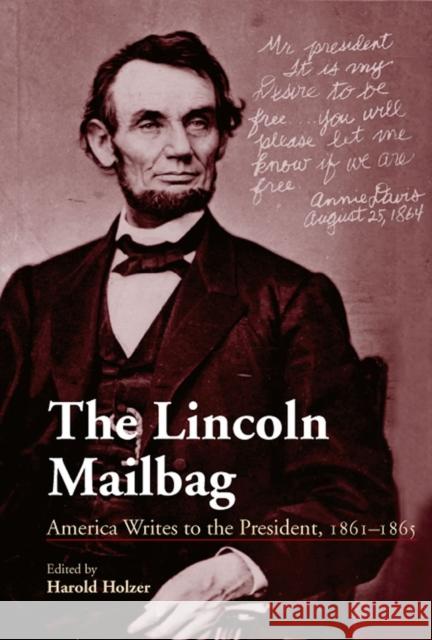
During his four years in the White House, Abraham Lincoln received between 250 and 500 letters a daynot only correspondence from public officials, political allies, and military leaders but from ordinary Americans of all races who never knew the president yet nonetheless felt the urge to share their views with him.
Harold Holzer, the editor of "Dear Mr. Lincoln: Letters to the President, "dips once again into Lincoln s bulging mailbag to assemble and annotate a volume of letters, many of them never-before-published, that the American people wrote to their president during the Civil...
During his four years in the White House, Abraham Lincoln received between 250 and 500 letters a daynot only correspondence from public officials, ...
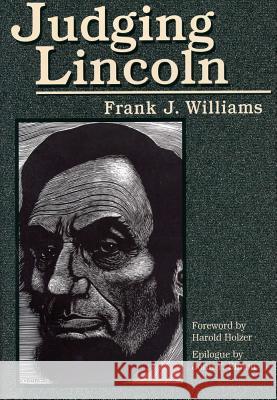
"Judging Lincoln "collects nine of the most insightful essays on the topic of the sixteenth president as written over the past twenty years by Frank J. Williams, chief justice of the Rhode Island Supreme Court and one of the nation s leading authorities on Abraham Lincoln. For Judge Williams, Lincoln remains the central figure of the American experiencepast, present, and future. With this collection, he boldly reassesses Lincoln s legacy as we enter the twenty-first century.Williams begins with a survey of the interest inand influence ofLincoln both at home and abroad and then moves into an...
"Judging Lincoln "collects nine of the most insightful essays on the topic of the sixteenth president as written over the past twenty years by Frank J...
As president, Abraham Lincoln received between two hundred and five hundred letters a daycorrespondence from public officials, political allies, and military leaders, as well as letters from ordinary Americans of all races who wanted to share their views with him. Here, and in his critically acclaimed volume "Dear Mr. Lincoln, " editor Harold Holzer has rescued these voicessometimes eloquent, occasionally angry, at times poeticfrom the obscurity of the archives of the Civil War. "The Lincoln Mailbag" includes letters written by African Americans, which Lincoln never saw, revealing to...
As president, Abraham Lincoln received between two hundred and five hundred letters a daycorrespondence from public officials, political allies, an...
During the Civil War, Americans felt themselves to be on intimate terms with their commander in chief, sending President Abraham Lincoln between two hundred and five hundred pieces of mail every dayletters that expressed the concerns, aspirations, grievances, and obsessions of the nation. Ranging from weighty political tomes to greetings accompanying homespun gifts, the letters reflect the pulse of the country in a time of upheaval. This illuminating collection includes straightforward correspondence from ordinary Americans requesting autographs and favors as well as pleas from the...
During the Civil War, Americans felt themselves to be on intimate terms with their commander in chief, sending President Abraham Lincoln between tw...
Chronicling the private lives of the Lincolns through their personal photographic collection
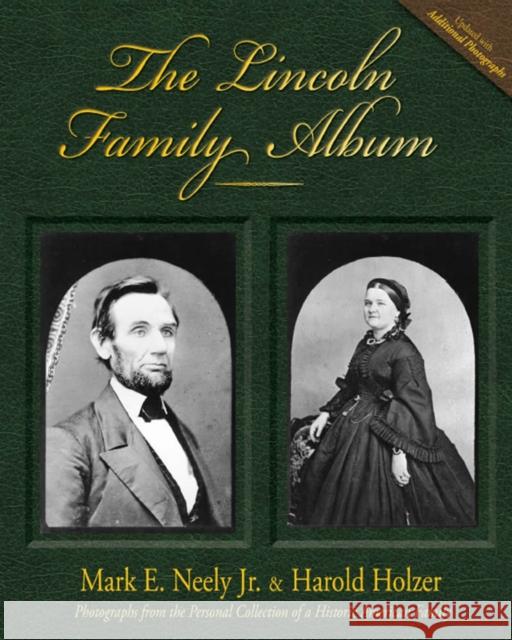
"The Lincoln Family Album "offers a rare and revealing glimpse into the private life of Abraham Lincoln and the first family. Showcasing original and previously unpublished photographs collected and preserved by Mary Todd Lincoln and four generations of descendants, the volume includes pictures displayed in a family album when the Lincolns lived in the White House. Chronicled are the lives of the Lincolns three sons, including the tragic death of Willie in 1862, the rapid change of Tad during...
Chronicling the private lives of the Lincolns through their personal photographic collection
"The Lincoln Family Album "offers a rare and reveal...