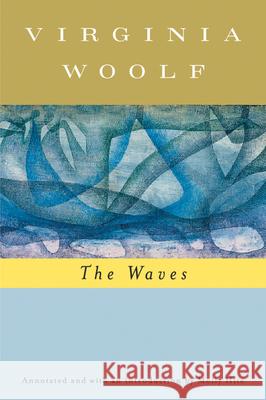
The Waves is often regarded as Virginia Woolf's masterpiece, standing with those few works of twentieth-century literature that have created unique forms of their own. In deeply poetic prose, Woolf traces the lives of six children from infancy to death who fleetingly unite around the unseen figure of a seventh child, Percival. Allusive and mysterious, The Waves yields new treasures upon each reading. Annotated and with an introduction by Molly Hite
The Waves is often regarded as Virginia Woolf's masterpiece, standing with those few works of twentieth-century literature that have created un...
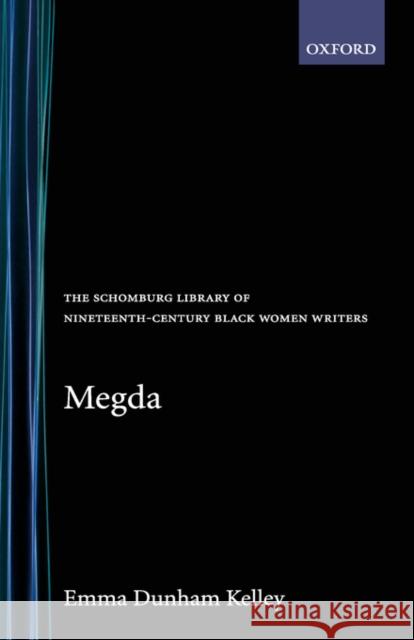
This novel, which was very popular when published in 1891, tells the story of the conversion experiences of a group of young, middle-class Baptist women and their subsequent - or consequent - marriages. In it, racial issues are only indirectly addressed, gentility is a concern ranking second only to salvation, and humility and obedience are prerequisites to a woman's acceptance by the Christian community. In essence, this is a novel of socialization rather than of social protest.
This novel, which was very popular when published in 1891, tells the story of the conversion experiences of a group of young, middle-class Baptist wom...
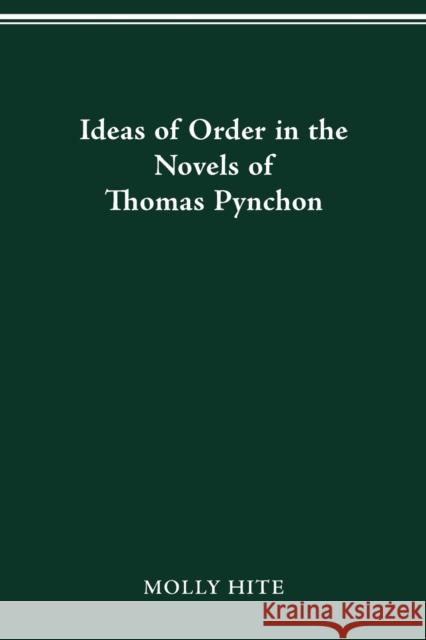
Somewhere near the beginning of this incisive critical study of perhaps the most elusive and, to some minds, structurally disordered of living writers, Molly Hite notes that the idea of order has always fascinated novelists. She attributes this to the genre's being a hybrid, committed as it is, on the one hand, to a rigorous teleology in which events exist for the sake of resolution, and, on the other, to imitating a world that stubbornly refuses to add up. The teleological impetus of narrative, she notes, reflects "a God-ordered universe," while the mimetic tendency describes "a man-centered...
Somewhere near the beginning of this incisive critical study of perhaps the most elusive and, to some minds, structurally disordered of living writers...