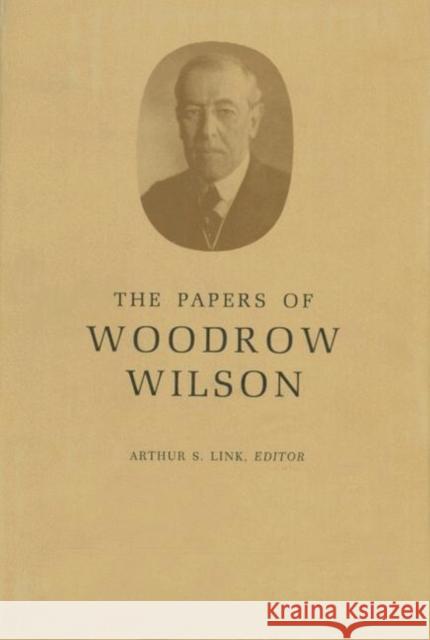
Although previous Presidents had maintained contact with reporters, Woodrow Wilson was the first to conduct regular press conferences. This volume contains the transcripts of all of these sessions, which reveal the range of Wilson's day-to-day concerns and his stance in what might be termed intellectual combat. The bulk of the material comes from approximately the first two and a half years of his presidency. We see Wilson jousting and sparring with reporters, scolding them, joking with them, "grazing the truth" in order not to disclose secrets of state, and, more often, engaging in frank...
Although previous Presidents had maintained contact with reporters, Woodrow Wilson was the first to conduct regular press conferences. This volume ...
Hilderbrand explains why, with the Second World War moving toward an Allied victory in the summer of 1944, the United States, Great Britain, the Soviet Union, and China began to give greater priority to protecting their own sovereignty than to preventing another global conflict. At Dumbarton Oaks, therefore, they essentially turned away from the organization of a forceful and active United Nations, creating a world body that created only the illusion of a powerful peacekeeping agency.
Hilderbrand explains why, with the Second World War moving toward an Allied victory in the summer of 1944, the United States, Great Britain, the Sovie...
Hilderbrand traces the use of presidential power to influence popular attitudes under four presidents -- McKinley, Theodore Roosevelt, Taft, and Wilson -- and emphasizes the efforts of policymakers to manage public opinion that supposedly influenced decisions in foreign policy. He shows that the executive is considerably freer to make foreign policy than historians have previously supposed and that power belongs to the presidents, not to the people.
Originally published in 1981.
A UNC Press Enduring Edition -- UNC Press Enduring Editions use the latest in digital technology...
Hilderbrand traces the use of presidential power to influence popular attitudes under four presidents -- McKinley, Theodore Roosevelt, Taft, and Wilso...