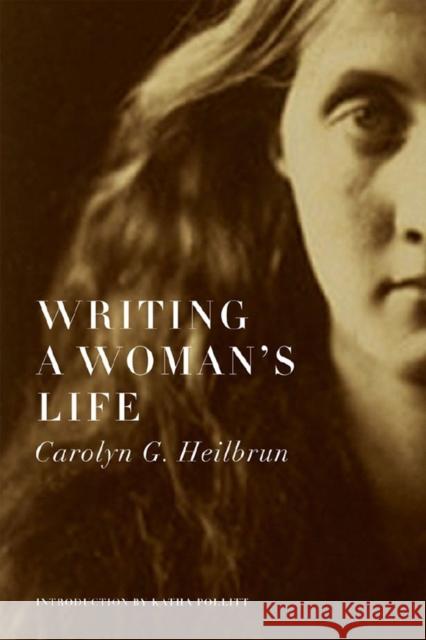
"Men have monopolized human experience, leaving women unable to imagine themselves as both ambitious and female. If I imagine myself (woman has always asked) whole, active, a self, will I not cease, in some profound way, to be a woman? The answer must be: imagine, and the old idea of womanhood be damned. . . . Let us imagine ourselves as selves, as at once striving and female. Womanhood can be what we say it is, not what they have always told us it was."
"Men have monopolized human experience, leaving women unable to imagine themselves as both ambitious and female. If I imagine myself (woman has always...
Lynda E. Boose Betty Sue Flowers Carolyn G. Heilbrun
Among the contributors, Lynda Boose explores the structural implications of Western culture's central daughter-father kinship exchange stories; Leah S. Marcus examines the politics of daughter-father relations in a historical study of Mary I and Elizabeth I as daughters of Henry VIII; and Diane F. Sadoff treats "good girl" novelists George Eliot, Elizabeth Gaskell, and Anne Bronte. Hortense J. Spillers focuses on the incest theme in works by Ralph Ellison and Alice Walker, while David Willbern examines Sigmund Freud's strange alteration of testimonies by women describing seduction by their...
Among the contributors, Lynda Boose explores the structural implications of Western culture's central daughter-father kinship exchange stories; Leah S...
Eve has been supposed to have remarked to Adam as they left the garden, my dear, we are in a state of transition, and of course they were. It is no coincidence that Eve delivers this line. While humanity in every era and stage in history has been marked by a strong sense of itself as being in a state of transition, women have always had a particularly close relationship to changeable terrain. In their quest for self knowledge, boundaries, and names, women have found themselves between varying cultural demands. In one view, perhaps the dominant one, the only way to gain positive status is...
Eve has been supposed to have remarked to Adam as they left the garden, my dear, we are in a state of transition, and of course they were. It is no...
When Men Were the Only Models We Had My Teachers Fadiman, Barzun, Trilling Carolyn G. Heilbrun "Heilbrun's engaging memoir evokes a bygone era of intellectual life, when clarity of language and exacting prose marked lively critical conversations on politics, society, and literature."--Library JournalWhen Men Were the Only Models We Had is a loving, admiring, but stringent account of youthful enthusiasms, of the romance of ideas, of the intellectual brilliance of three unwitting mentors, and of the hopelessness of female ambition in the years before the feminist movement of the...
When Men Were the Only Models We Had My Teachers Fadiman, Barzun, Trilling Carolyn G. Heilbrun "Heilbrun's engaging memoir evokes a bygone era of inte...
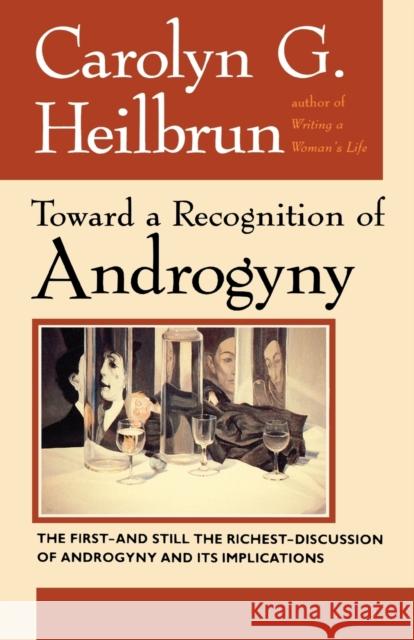
In this quietly provocative book, Carolyn G. Heilbrun opens our eyes to the ways in which the concept of androgyny--the realization of man in woman and woman in man--has run, like a hidden river, from its source in pre-Hellenic myth through the literature of the Western world. The androgynous ideal shows itself to be a creative and civilizing force conducive to the survival of a truly human society.
In this quietly provocative book, Carolyn G. Heilbrun opens our eyes to the ways in which the concept of androgyny--the realization of man in woman an...
Of the two basic plots that shape our lives, the quest and the erotic script, the quest has been, for centuries, reserved for men only. A woman's journey ended at the altar. Professor Heilbrun notes that the diversity of women's lives now makes it possible for women to dare to choose their own scripts.
Of the two basic plots that shape our lives, the quest and the erotic script, the quest has been, for centuries, reserved for men only. A woman's jour...