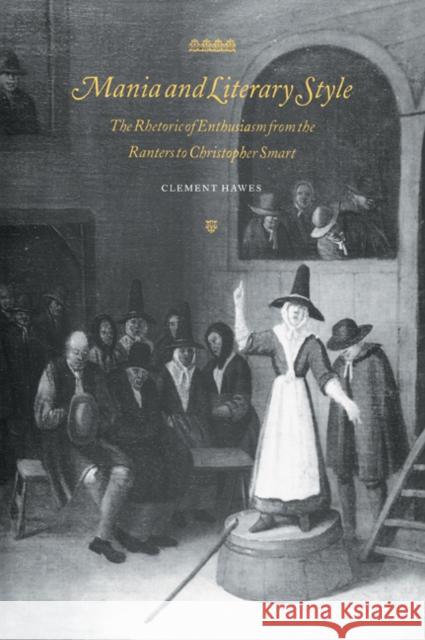
This highly original study of the "manic style" in enthusiastic writing of the seventeenth and eighteenth centuries identifies a line of influence running from the radical visionary and prophetic writing of the Ranters and their fellows enthusiasts to the work of Jonathan Swift and Christopher Smart. Its account of the dominant culture's ridicule of enthusiastic writing (an attitude that persists in twentieth-century literary history and criticism) provides a powerful and daring critique of pervasive assumptions about madness and sanity in literature.
This highly original study of the "manic style" in enthusiastic writing of the seventeenth and eighteenth centuries identifies a line of influence run...
This highly original study of the "manic style" in enthusiastic writing of the seventeenth and eighteenth centuries identifies a line of influence running from the radical visionary and prophetic writing of the Ranters and their fellows enthusiasts to the work of Jonathan Swift and Christopher Smart. Its account of the dominant culture's ridicule of enthusiastic writing (an attitude that persists in twentieth-century literary history and criticism) provides a powerful and daring critique of pervasive assumptions about madness and sanity in literature.
This highly original study of the "manic style" in enthusiastic writing of the seventeenth and eighteenth centuries identifies a line of influence run...
Clement Hawes intervenes in debates within current literary theory by means of a close engagement with texts from the British eighteenth century, viewing the latter as a resource for the contemporary postcolonial future. Indeed, rather than applying postcolonial theory to eighteenth-century texts, the book instead refines postcolonial theory by using such eighteenth-century authors as Swift, Gay, Johnson, Sterne, and Equiano.
Clement Hawes intervenes in debates within current literary theory by means of a close engagement with texts from the British eighteenth century, view...