Professor Hare provides a systematic and detailed examination of what is meant by calling a person open-minded, and an inquiry into the place and importance of this comparatively neglected idea in education. Hare] provides us with a clear concept of open-mindedness and shows why that attitude is central to our view of education ... for those who are interested in the concept of education or values or moral education, and those who want to see how open-mindedness relates to important concepts such as rationality, neutrality, indoctrination ... recommended to all who are concerned with...
Professor Hare provides a systematic and detailed examination of what is meant by calling a person open-minded, and an inquiry into the place and impo...
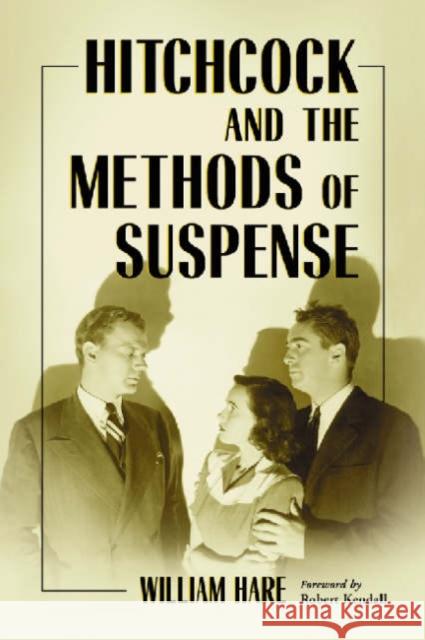
Alfred Hitchcock had a gift for turning the familiar into the unfamiliar, the mundane into the unexpected. A director known for planning the entire movie before the first day of filming began by using the storyboard approach, Hitchcock was renowned for his relaxed directing style, resulting in an excellent rapport with his actors. Decades later, Hitchcock's films stand as sterling examples of innovative technique, infused with meaning that only repeated viewing can reveal. This work examines themes, techniques, and the filmmaking process in 15 of Hitchcock's best known films: The 39 Steps,...
Alfred Hitchcock had a gift for turning the familiar into the unfamiliar, the mundane into the unexpected. A director known for planning the entire mo...
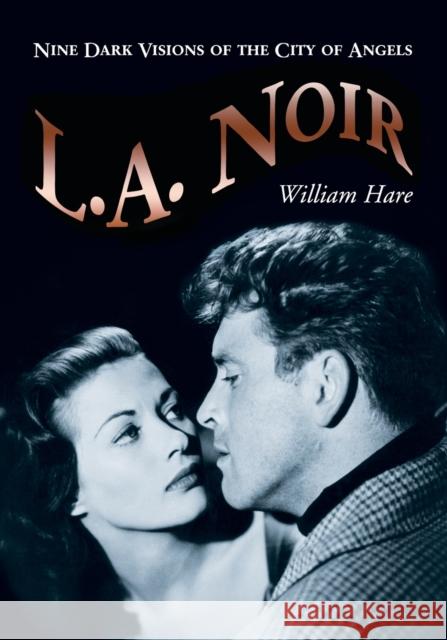
This detailed discussion of nine films explores such topics as why certain settings are appropriate for film noir, why L.A. has been a favorite of authors such as Raymond Chandler, and relevant political developments in the area.
This detailed discussion of nine films explores such topics as why certain settings are appropriate for film noir, why L.A. has been a favorite of aut...
During the Great Depression, pulp fiction writers created a new, distinctly American detective story, one that stressed the development of fascinating, often bizarre characters rather than the twists and turns of clever plots. This new crime fiction adapted brilliantly to the screen, birthing a cinematic genre that French cinema intellectuals following World War II christened film noir. Set on dark streets late at night, in cheap hotels and bars, and populated by the dangerous people who frequented these locales, these films introduced a new antihero, a tough, brooding, rebellious loner,...
During the Great Depression, pulp fiction writers created a new, distinctly American detective story, one that stressed the development of fascinating...