Mary Hunter Austin John Edwin Jackson Melody Graulich
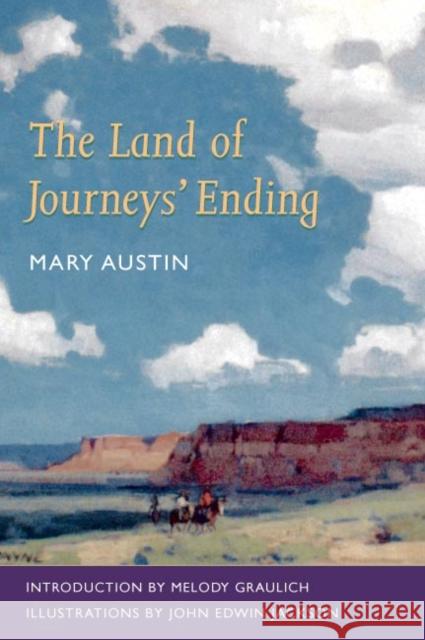
The successful New York author describes the epic journey she undertook in 1923, when she left her East Coast home at the age of fifty-five to travel through the southwestern United States, where she had lived as a child and where she would later retire. Part memoir, part travel narrative, part historical investigation, and part ecological study, T
The successful New York author describes the epic journey she undertook in 1923, when she left her East Coast home at the age of fifty-five to travel ...
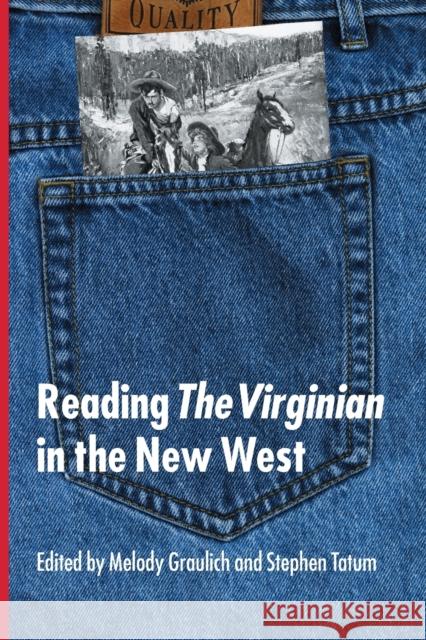
Although the origins of the western are as old as colonial westward expansion, it was Owen Wister s novel The Virginian, published in 1902, that established most of the now-familiar conventions of the genre. On the heels of the classic western s centennial, this collection of essays both re-examines the text of The Virginian and uses Wister s novel as a lens for studying what the next century of western writing and reading will bring. The contributors address Wister s life and travels, the novel s influence on and handling of gender and race issues, and its illustrations and various...
Although the origins of the western are as old as colonial westward expansion, it was Owen Wister s novel The Virginian, published in 1902, tha...
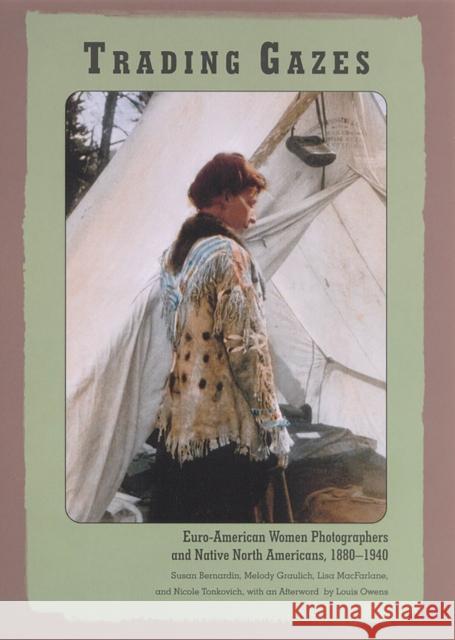
The story of westering Americans in the late nineteenth and early twentieth centuries has been told most notably through photographs of American Indians. Unlike this vast archive, produced primarily by male photographers, which depicted American Indians as either vanishing or domesticated, the lesser-known images by the women featured in Trading Gazes provide new ways of seeing the intersecting histories of colonial expansion and indigenous resistance. Four unconventional women-Jane Gay, who documented land allotment to the Nez Perces; Kate Cory, an artist who lived for years in a Hopi...
The story of westering Americans in the late nineteenth and early twentieth centuries has been told most notably through photographs of American India...
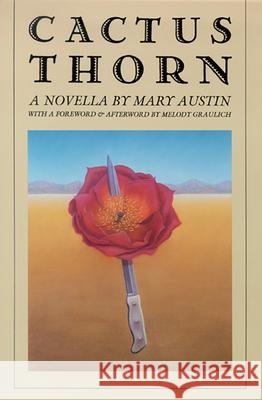
Set primarily in the lonesome southwest desert lands of the 1920s, this previously unpublished novella is a powerful story in which landscape reflects and defines character. In this beautifully written tale, a promising young politician, Grant Arliss, flees from his complicated and pressure-ridden life in New York City to the serenity of the desert's open spaces, finding a love and a landscape that will change his life.
Set primarily in the lonesome southwest desert lands of the 1920s, this previously unpublished novella is a powerful story in which landscape reflects...
This is the first book-length collection of essays on Mary Austin's work that covers the range of her writing in varied genres. Austin is revealed as a writer wrestling with issues that continue to challenge us today, including water in the arid West; social and environmental justice as it relates to indigenous peoples, women, and the working class; and the consequences of rigidly hierarchical thinking for western lands and people.
This is the first book-length collection of essays on Mary Austin's work that covers the range of her writing in varied genres. Austin is revealed as ...
Ann Ronald found a career and a home when she moved to Reno to teach at the University of Nevada. There, she undertook the study of the literature of the West and discovered that the region's vast open spaces satisfied her zest for the outdoors. The essays collected in Reader of the Purple Sage reflect Ronald's wide-ranging interests. Here are highly informative, and deeply informed, critical essays on writers as diverse as Zane Grey, Edward Abbey, Wallace Stegner, and Terry Tempest Williams, as well as the Tonopah Ladies - a group of literary women who found their voices in the unlikely...
Ann Ronald found a career and a home when she moved to Reno to teach at the University of Nevada. There, she undertook the study of the literature of ...
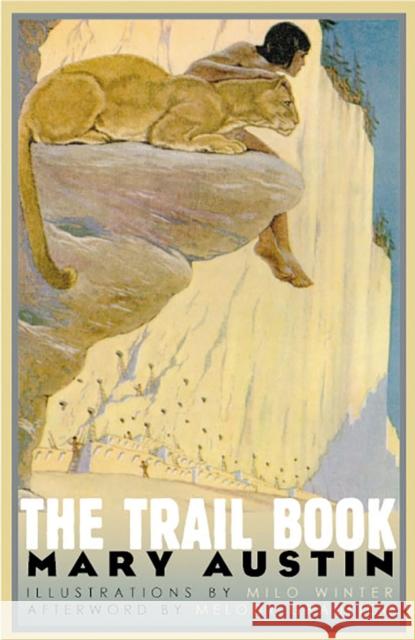
The Trail Book is a classic of American nature writing. First published in 1918, it is a collection of children's tales, framed by its setting in New York's Museum of Natural History. For two children, Oliver and his sister Dorcas, the museum's famed dioramas (which were new at that time) come to life and admit them into a series of exciting adventures that include talking animals and magical travels. Along the way, the children discover the ways of the ancient Native Americans and the landscapes of the pre-Columbian continent, as well as the impact on both Indians and wildlife from...
The Trail Book is a classic of American nature writing. First published in 1918, it is a collection of children's tales, framed by its setting ...