During the 1850s, the Jacksonian party system broke down in the North and a new sectional party, the Republicans, succeeded the Whigs in the nation's two party system. Using demographic, voting, and other statistical analysis, as well as the more traditional methods and sources of political history, William Gienapp demonstrates that the organization of the Republican party was a difficult, complex, and lengthy process, and explains why, after an inauspicious beginning, it ultimately became a potent political force
During the 1850s, the Jacksonian party system broke down in the North and a new sectional party, the Republicans, succeeded the Whigs in the nation's ...
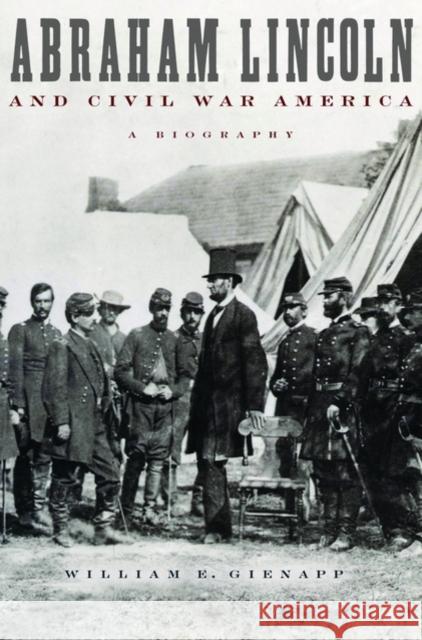
In Abraham Lincoln and Civil War America, historian William Gienapp provides a remarkably concise, up-to-date, and vibrant biography of the most revered figure in United States history. While the heart of the book focuses on the Civil War, Gienapp begins with a finely etched portrait of Lincoln's early life, from pioneer farm boy to politician and lawyer in Springfield, to his stunning election as sixteenth president of the United States. Students will see how Lincoln grew during his years in office, how he developed a keen aptitude for military strategy and displayed enormous skill...
In Abraham Lincoln and Civil War America, historian William Gienapp provides a remarkably concise, up-to-date, and vibrant biography of the ...
William Howard Russell Eugene H. Berwanger William E. Gienapp
William Howard Russell wrote My Diary North and South while traveling through the Union and the Confederacy from March 1861 to April 1862 as a war correspondent for the Times of London. Along the way he met and interviewed an impressive number of Union and Confederate leaders -- including Abraham Lincoln, Jefferson Davis, William H. Seward, and General George B. McClellan -- but he also canvassed average citizens on both sides, recounting their manners, appearance, values, and habits in remarkable detail. This memoir of his journey provides a vivid snapshot of American life and culture at...
William Howard Russell wrote My Diary North and South while traveling through the Union and the Confederacy from March 1861 to April 1862 as a war ...
The 1850s saw in America the breakdown of the Jacksonian party system in the North and the emergence of a new sectional party--the Republicans--that succeeded the Whigs in the nation's two-party system. This monumental work uses demographic, voting, and other statistical analysis as well as the more traditional methods and sources of political history to trace the realignment of American politics in the 1850s and the birth of the Republican party. Gienapp powerfully demonstrates that the organization of the Republican party was a difficult, complex, and lengthy process and explains why, even...
The 1850s saw in America the breakdown of the Jacksonian party system in the North and the emergence of a new sectional party--the Republicans--that s...
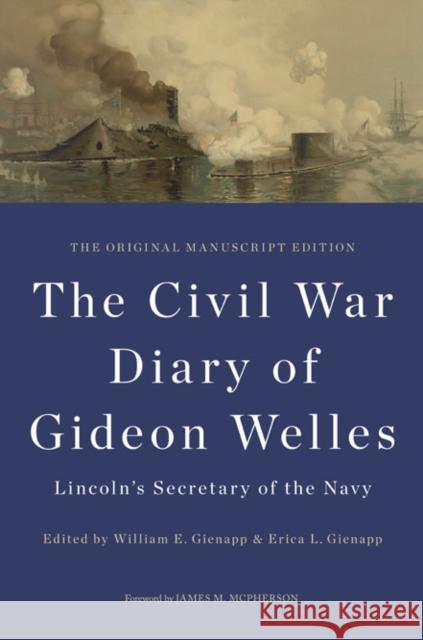
Gideon Welles s 1861 appointment as secretary of the navy placed him at the hub of Union planning for the Civil War and in the midst of the powerful personalities vying for influence in Abraham Lincoln s cabinet. Although Welles initially knew little of naval matters, he rebuilt a service depleted by Confederate defections, planned actions that gave the Union badly needed victories in the war s early days, and oversaw a blockade that weakened the South s economy. Perhaps the hardest-working member of the cabinet, Welles still found time to keep a detailed diary that has become one of the...
Gideon Welles s 1861 appointment as secretary of the navy placed him at the hub of Union planning for the Civil War and in the midst of the powerful p...