In this collection of stories and essays, the beloved author of the classic, best-selling novel A Lesson Before Dying shares the inspirations behind his books and his reasons for becoming a writer. Told in the simple and powerful prose that is a hallmark of his craft, these writings by Ernest J. Gaines faithfully evoke the sorrows and joys of rustic Southern life. From his depiction of his childhood move to California a move that propelled him to find books that conjured the sights, smells, and locution of his native Louisiana home to his description of the real-life murder case that...
In this collection of stories and essays, the beloved author of the classic, best-selling novel A Lesson Before Dying shares the inspirations b...
The detectable identity of southern Louisiana's one-of-a-kind culture has been expressed in numerous descriptive phrases---south of the South, - -the northern tip of the Caribbean, - -this folklore land.- A strange, piquant, and savory mixture, it also has been likened to one of the region's signature dishes, gumbo.
Capturing this elusive culture and its charm has challenged many authors, anthropologists, and anthologists. Coming perhaps closest of any book yet published, this new anthology of readings affords reflections on southern Louisiana's...
Ethnic Studies -- Southern Studies
The detectable identity of southern Louisiana's one-of-a-kind culture has been expressed in numerous descriptive...
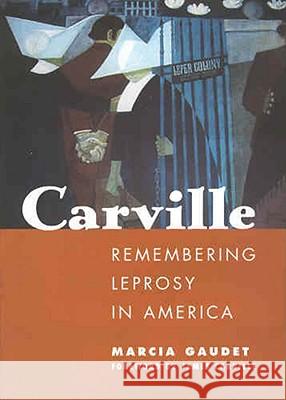
Mysterious and misunderstood, distorted by biblical imagery of disfigurement and uncleanness, Hansen's disease or leprosy has all but disappeared from America's consciousness. In Carville, Louisiana, the closed doors of the nation's last center for the treatment of leprosy open to reveal stories of sadness, separation, and even strength in the face of what was once a life-wrenching diagnosis.
Drawn from interviews with living patients and extensive research in the leprosarium's archives, Carville: Remembering Leprosy in America tells the stories of former patients at the...
Mysterious and misunderstood, distorted by biblical imagery of disfigurement and uncleanness, Hansen's disease or leprosy has all but disappeared f...
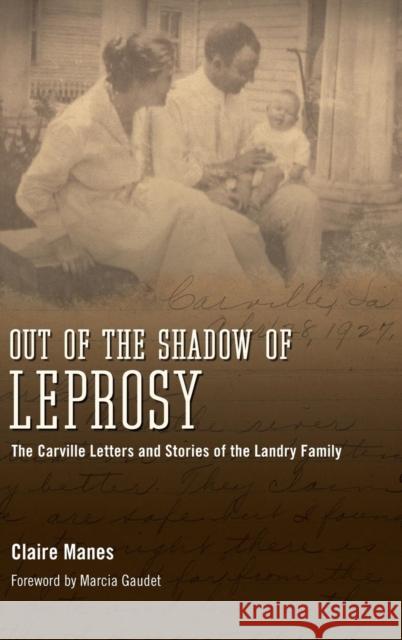
In 1924 when thirty-two-year-old Edmond Landry kissed his family good-bye and left for the leprosarium in Carville, Louisiana, leprosy, now referred to as Hansen's Disease, stigmatized and disfigured but did not kill. Those with leprosy were incarcerated in the federal hospital and isolated from family and community. Phones were unavailable, transportation was precarious, and fear was rampant. Edmond entered the hospital (as did his four other siblings), but he did not surrender to his fate. He fought with his pen and his limited energy to stay connected to his family and to improve living...
In 1924 when thirty-two-year-old Edmond Landry kissed his family good-bye and left for the leprosarium in Carville, Louisiana, leprosy, now referre...
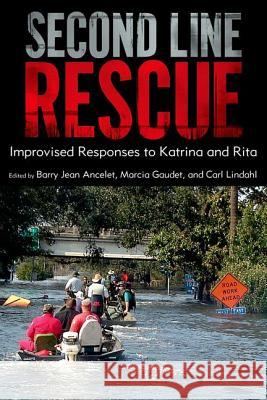
Second Line Rescue: Improvised Responses to Katrina and Rita chronicles the brave and creative acts through which Gulf Coast people rescued their neighbors during the chaotic aftermath of Hurricanes Katrina and Rita. Ordinary citizens joined in with whatever resources they had. Unlike many of the official responders, vernacular rescuers found ways around paralysis produced by a breakdown in communications and infrastructure. They were able to dispel unfounded fears produced by erroneous or questionable reporting. The essays, personal narratives, media reports, and field studies...
Second Line Rescue: Improvised Responses to Katrina and Rita chronicles the brave and creative acts through which Gulf Coast people rescued ...