The Hellenistic period (approximately the last three centuries B.C.), with its cultural complexities and enduring legacies, retains a lasting fascination today. Reflecting the vigor and productivity of scholarship directed at this period in the past decade, this collection of original essays is a wide-ranging exploration of current discoveries and questions. The twelve essays emphasize the cultural interaction of Greek and non-Greek societies in the Hellenistic period, in contrast to more conventional focuses on politics, society, or economy. The result of original research by some of the...
The Hellenistic period (approximately the last three centuries B.C.), with its cultural complexities and enduring legacies, retains a lasting fascinat...
With Volume 13, the new edition of The Cambridge Ancient History moves into fresh territory. The first edition was completed by Volume 12, which closed in AD 324. The editors of the new edition have enlarged the scope of Volume 12 to include the foundation of Constantinople and the death of Constantine, and extended the series with two wholly new volumes taking the History up to AD 600. Volume 13, the first of these new volumes, covers the years 337SH425, from the death of Constantine to the reign of Theodosius II.
With Volume 13, the new edition of The Cambridge Ancient History moves into fresh territory. The first edition was completed by Volume 12, which close...
The first full-length study of famine in antiquity. The study provides detailed case studies of Athens and Rome, the best known states of antiquity, but also illuminates the institutional response to food crisis in the mass of ordinary cities in the Mediterranean world. Ancient historians have generally shown little interest in investigating the material base of the unique civilisations of the Graeco-Roman world, and have left unexplored the role of the food supply in framing the central institutions and practices of ancient society.
The first full-length study of famine in antiquity. The study provides detailed case studies of Athens and Rome, the best known states of antiquity, b...
This is the first full-length treatment of food supply and food crisis in classical antiquity. Hunger was never far away in the world of Greece and Rome, yet ancient historians have generally left unexplored the role of the food supply in shaping the central institutions and practices of ancient society. This book demonstrates that a study of systems of food supply and their breakdown leads to a fuller understanding of political behaviour, social mechanisms and economic relationships in classical antiquity.
Dr Garnsey poses the following questions: What caused food crisis? Was it a common...
This is the first full-length treatment of food supply and food crisis in classical antiquity. Hunger was never far away in the world of Greece and Ro...
This study, unique of its kind, asks how slavery was viewed by the leading spokesmen of Greece and Rome. There was no movement for abolition in these societies, or a vigorous debate, such as occurred in antebellum America, but this does not imply that slavery was accepted without question. This book draws on a wide range of sources, pagan, Jewish and Christian, over ten centuries, to challenge the common assumption of passive acquiescence in slavery, and the associated view that, Aristotle apart, there was no systematic thought on slavery. The work contains both a typology of attitudes to...
This study, unique of its kind, asks how slavery was viewed by the leading spokesmen of Greece and Rome. There was no movement for abolition in these ...
This is a collection of essays in the social and economic history of Greece and Rome by a leading historian of classical antiquity. They are grouped in three overlapping sections, covering the economy and society of cities; peasants and the rural economy; and food supply and famine. The essays, all previously published, are presented together with bibliographical addenda by Walter Scheidel that summarize and assess scholarly reaction to the author's work. The range of subject matter and approach is wide and the treatment original and provocative.
This is a collection of essays in the social and economic history of Greece and Rome by a leading historian of classical antiquity. They are grouped i...
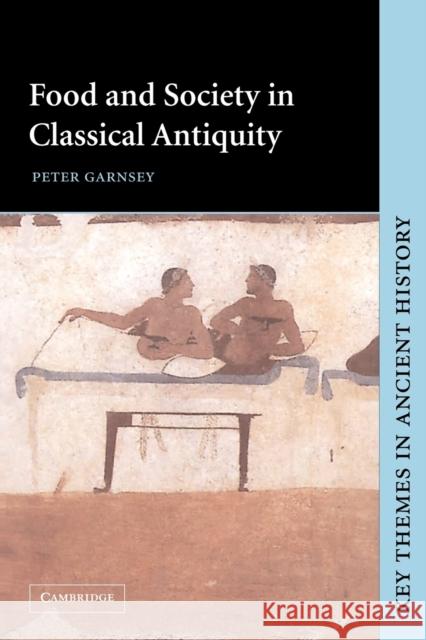
This is a broad-based, comprehensive general study of food in antiquity. The book deals with food as food or nutrition, the discussion revolving around the concrete issues of food availability and the nutritional status of the population. It also treats the nonfood uses of food, focusing on the role of food in forming and marking the social hierarchy. Food defines the group, whether social, religious, philosophical or political.
This is a broad-based, comprehensive general study of food in antiquity. The book deals with food as food or nutrition, the discussion revolving aroun...
This is a collection of essays in the social and economic history of Greece and Rome by a leading historian of classical antiquity. They are grouped in three overlapping sections, covering the economy and society of cities; peasants and the rural economy; and food supply and famine. The essays, all previously published, are presented together with bibliographical addenda by Walter Scheidel that summarize and assess scholarly reaction to the author's work. The range of subject matter and approach is wide and the treatment original and provocative.
This is a collection of essays in the social and economic history of Greece and Rome by a leading historian of classical antiquity. They are grouped i...
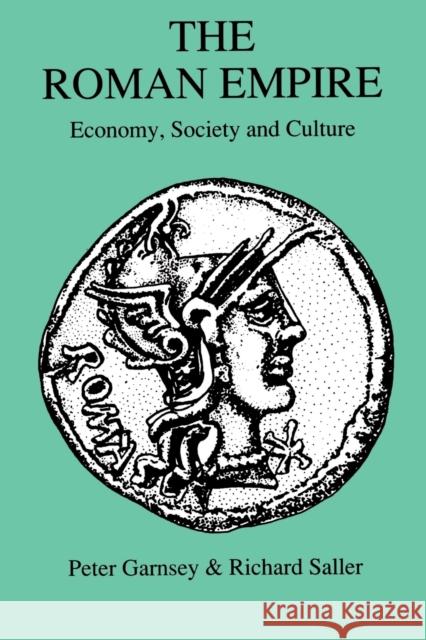
During the Principate (roughly from 27 BC to AD ), when the empire reached its maximum extent, Roman society and culture were radically transformed. But how was the vast territory of the empire controlled? Did the demands of central government stimulate economic growth or endanger survival? What forces of cohesion operated to balance the social and economic inequalities and high mortality rates? How did the official religion react in the face of the diffusion of alien cults and the emergence of Christianity?
These are some of the many questions posed here, in an expanded edition of the...
During the Principate (roughly from 27 BC to AD ), when the empire reached its maximum extent, Roman society and culture were radically transformed...