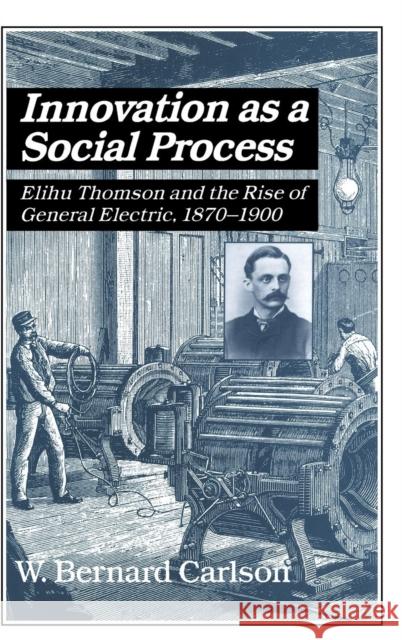
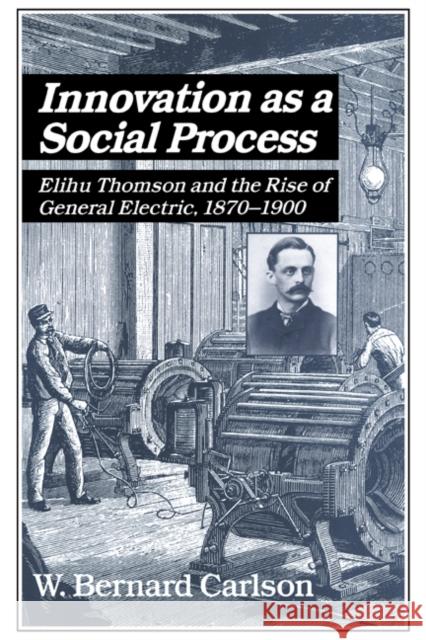
Elihu Thomson was a major American inventor of electric light and power systems. A contemporary of Thomas Edison, Thomson performed the engineering and design work necessary to make electric lighting a common product. From the 1880s to the 1930s, Thomson was employed by the General Electric Company and its predecessors. Working within the corporation, Thomson revealed how successful inventions are based on explicit links among technological artifacts, marketing strategy, and the business organization needed for manufacturing and marketing.
Elihu Thomson was a major American inventor of electric light and power systems. A contemporary of Thomas Edison, Thomson performed the engineering an...
The essays in this book explore the forces behind modern economic growth and, in particular, the causes of the extraordinary surge of growth since the Second World War. The introductory essay is an extended treatment of the current views of economists on the growth process and its causes. Other essays consider the contributions of capital formation, education, and the changing character of industries and occupations. These essays disclose the central role of technological progress, take up the relations of science, technology, and business, and discuss the conditions that make for investment...
The essays in this book explore the forces behind modern economic growth and, in particular, the causes of the extraordinary surge of growth since the...
Since the 1930s, U.S. agriculture has undergone a revolution in productivity. Sally Clarke explains how government activity, from support for research to price supports and farm credit programs, created a climate favorable to rapid gains in productivity. Regulation stabilized prices, introduced new sources of credit, and caused tool manufacturers and private creditors to revise their business strategies. Competitive farmers took advantage of these new conditions to invest in expensive technology and achieve new gains in productivity.
Since the 1930s, U.S. agriculture has undergone a revolution in productivity. Sally Clarke explains how government activity, from support for research...
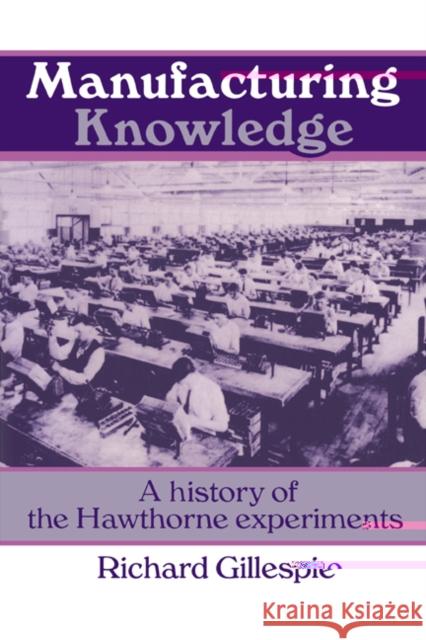
What motivates workers to work harder? What can management do to create a contented and productive workforce? Discussion of these questions would be incomplete without reference to the Hawthorne experiments, one of the most famous pieces of research ever conducted in the social and behavioral sciences. Drawing on the original records of the experiments and the personal papers of the researchers, Richard Gillespie has reconstructed the intellectual and political dynamics of the experiments as they evolved from the tentative experimentation to seemingly authoritative publications. Manufacturing...
What motivates workers to work harder? What can management do to create a contented and productive workforce? Discussion of these questions would be i...
This collection of essays by 1971 Nobel Prize winner Simon Kuznets, published posthumously, represents the primary concerns of his research at a late phase of his career, as well as themes from his earlier work.
This collection of essays by 1971 Nobel Prize winner Simon Kuznets, published posthumously, represents the primary concerns of his research at a late ...
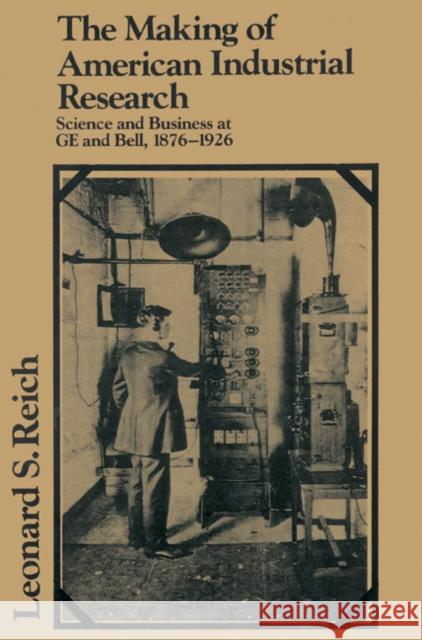
This book tells the story of how and why industrial research was established in America by two large and innovative corporations: General Electric, formed in a merger of Edison General Electric and Thomson-Houston in 1892, and the dominant force in the American electrical industry ever since; and American Telephone and Telegraph, the commercial outgrowth of Alexander Graham Bell's invention of the telephone. Important lessons can be drawn from the early efforts of these two corporations. Through industrial research - and particularly through the development of patented products and processes...
This book tells the story of how and why industrial research was established in America by two large and innovative corporations: General Electric, fo...
Since the 1930s, U.S. agriculture has undergone a revolution in productivity. Sally Clarke explains how government activity, from support for research to price supports and farm credit programs, created a climate favorable to rapid gains in productivity. Regulation stabilized prices, introduced new sources of credit, and caused tool manufacturers and private creditors to revise their business strategies. Competitive farmers took advantage of these new conditions to invest in expensive technology and achieve new gains in productivity.
Since the 1930s, U.S. agriculture has undergone a revolution in productivity. Sally Clarke explains how government activity, from support for research...
Elihu Thomson was a major American inventor of electric light and power systems. A contemporary of Thomas Edison, Thomson performed the engineering and design work necessary to make electric lighting a common product. From the 1880s to the 1930s, Thomson was employed by the General Electric Company and its predecessors. Working within the corporation, Thomson reveals how successful inventions are based on explicit links among technological artifacts, marketing strategy, and the business organization needed for manufacturing and marketing.
Elihu Thomson was a major American inventor of electric light and power systems. A contemporary of Thomas Edison, Thomson performed the engineering an...
The study of Panhandle Eastern's history shows the relationship between regulatory policy and the modern corporation in the twentieth century from a unique perspective, for it extends over three eras. This book shows how entrepreneurs competed, first, in an unregulated industry through the exercise of unrestrained corporate muscle, then as it became increasingly regulated and profitable, and finally in the era of business reorganization and deregulation when regulators changed the structure of the pipeline industry.
The study of Panhandle Eastern's history shows the relationship between regulatory policy and the modern corporation in the twentieth century from a u...