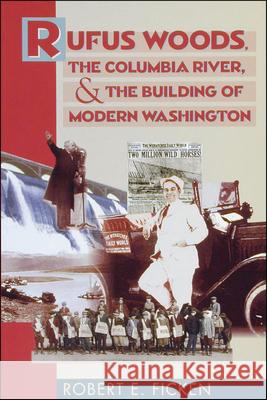
Rufus Woods, for more than forty years the publisher of the Wenatchee Daily World, has often been called the "High Priest of the Columbia River". No person deserves the title more. From the editorial platform of the World, Woods tirelessly promoted Wenatchee and north central Washington. For decades he pegged his brightest hopes for the region's future on a huge Columbia River dam in the isolated Grand Coulee region. From 1918 through Grand Coulee's completion in 1941, Woods enthusiastically promoted the largest dam-building project in American history. Woods got his dam, but not the...
Rufus Woods, for more than forty years the publisher of the Wenatchee Daily World, has often been called the "High Priest of the Columbia River". No p...
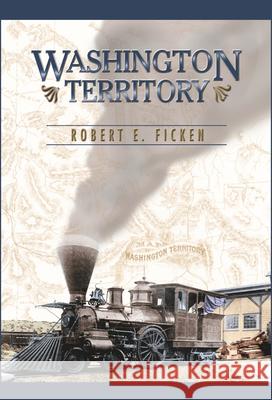
Established in 1853, Washington remained a Territory for 36 years until admitted into the Union in 1889. Divided by the Cascade Range and lacking an effective internal transportation system, Washington Territory made no practical sense as a political and economic entity until railroads finally unified the region in the mid 1880s. Ficken's Washington Territory will long serve as the definitive economic and political history of territorial Washington.
Established in 1853, Washington remained a Territory for 36 years until admitted into the Union in 1889. Divided by the Cascade Range and lacking an e...
C. Ross Greening Robert E. Ficken Colonel C. Ross Greening
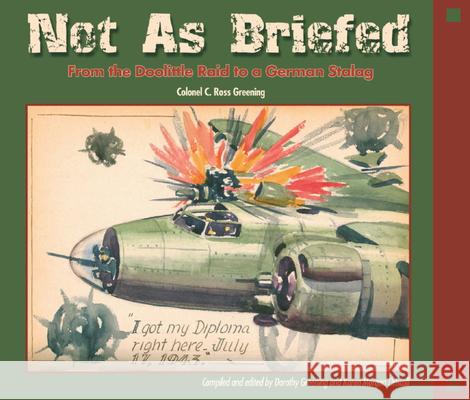
WSU art graduate Ross Greening painted and wrote a one-of-a-kind record of action in WWII. He piloted a B-25 in the Doolittle Raid, was shot down over Italy, escaped from a POW train, hid out in the mountains of northern Italy, and ended up in a German stalag. His remembrances, as well as his fine artwork illustrating the events of this era, make compelling reading.
WSU art graduate Ross Greening painted and wrote a one-of-a-kind record of action in WWII. He piloted a B-25 in the Doolittle Raid, was shot down over...
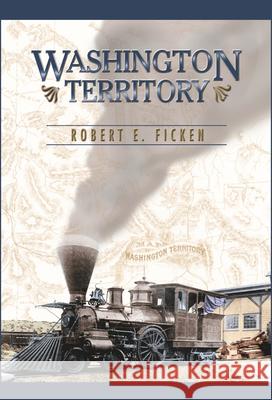
Established in 1853, Washington remained a Territory for 36 years until admitted into the Union in 1889. Divided by the Cascade Range and lacking an effective internal transportation system, Washington Territory made no practical sense as a political and economic entity until railroads finally unified the region in the mid 1880s. Ficken's Washington Territory will long serve as the definitive economic and political history of territorial Washington.
Established in 1853, Washington remained a Territory for 36 years until admitted into the Union in 1889. Divided by the Cascade Range and lacking an e...
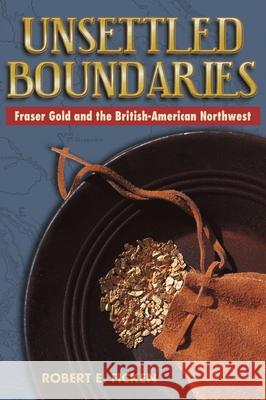
Responding to reports of gold discoveries on the Fraser River, thousands of prospectors from California and other points on the Pacific coast crossed the 49th parallel to British territory in 1858. Most returned to San Francisco and Puget Sound later in the same year, blaming their failure to find wealth in the river canyons on uncooperative Hudson's Bay Company officials and the English government. Viewing events from the perspective of California, historians have generally considered the gold rush a failure. In reality, the Fraser River experience was a sustained success, continuing beyond...
Responding to reports of gold discoveries on the Fraser River, thousands of prospectors from California and other points on the Pacific coast crossed ...
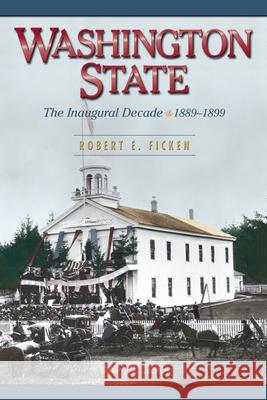
In the sequel to his popular Washington Territory, author Robert E. Ficken, ably and with characteristically wry humor, describes Washington State's turbulent first decade. With a new railroad system, vast natural resources, an irrigation boom, astounding population growth, and strong investment from foreign capitalists, the future looked rosy in 1889. Yet the first years of statehood were also marked by inept and corrupt legislation, labor disputes, unbridled criminal activity, strained municipal budgets, and controversy over the tidelands. Then, in 1893 came America's economic...
In the sequel to his popular Washington Territory, author Robert E. Ficken, ably and with characteristically wry humor, describes Washington State's t...