The Spirit of the Sixties explains how and why the personal became political when Sixties activists confronted the institutions of American postwar culture. The Spirit of the Sixties uses political personalism to explain how and why the personal became political when Sixties activists confronted the institutions of American postwar culture. After establishing its origins in the Catholic Worker movement, the Beat generation, the civil rights movement, and Ban-the-Bomb protests, James Farrell demonstrates the impact of personalism on...
The Spirit of the Sixties explains how and why the personal became political when Sixties activists confronted the institutions of American p...
The Spirit of the Sixties explains how and why the personal became political when Sixties activists confronted the institutions of American postwar culture. The Spirit of the Sixties uses political personalism to explain how and why the personal became political when Sixties activists confronted the institutions of American postwar culture. After establishing its origins in the Catholic Worker movement, the Beat generation, the civil rights movement, and Ban-the-Bomb protests, James Farrell demonstrates the impact of personalism on...
The Spirit of the Sixties explains how and why the personal became political when Sixties activists confronted the institutions of American p...
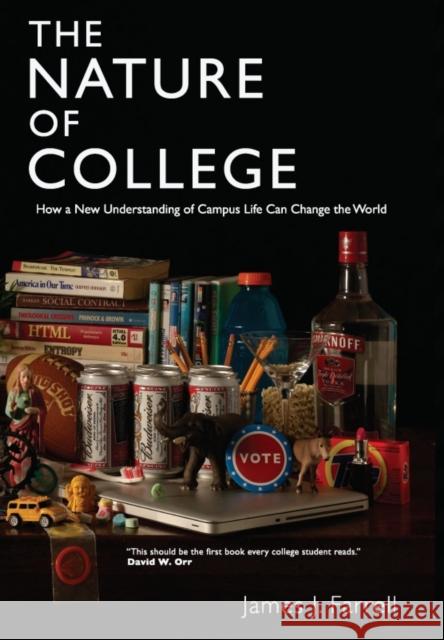
Stately oaks, ivy-covered walls, the opposite sex -- these are the things that likely come to mind for most Americans when they think about the "nature" of college. But the real nature of college is hidden in plain sight: it's flowing out of the keg, it's woven into the mascots on our T-shirts. Engaging in a deep and richly entertaining study of "campus ecology," The Nature of College explores one day in the life of the average student, questioning what "natural" is and what "common sense" is really good for and weighing the collective impacts of the everyday. In the end, this...
Stately oaks, ivy-covered walls, the opposite sex -- these are the things that likely come to mind for most Americans when they think about the "natur...