Combining the liberalism of Locke and the "civic humanism" of Republicanism, Mary Wollstonecraft explored the need of women for coed and equal education with men, economic independence whether married or not, and representation as citizens in the halls of government. In doing so, she foreshadowed and surpassed her much better known successor, John Stuart Mill. Ten feminist scholars prominent in the fields of political philosophy, constitutional and international law, rhetoric, literature, and psychology argue here that Wollstonecraft, by reason of the scope and complexity of her thought,...
Combining the liberalism of Locke and the "civic humanism" of Republicanism, Mary Wollstonecraft explored the need of women for coed and equal educ...
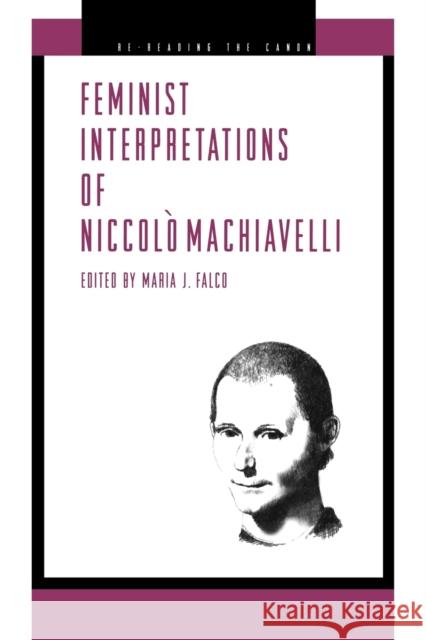
Diplomat, bureaucrat, and practical politician, Niccolo Machiavelli served as Second Secretary to the Republic of Florence in the early sixteenth century and became the first major political thinker in the western tradition to make a complete break with the Aristotelian model of politics as a branch of ethics. While The Prince is his most famous work, grounding his reputation as the progenitor of "Realpolitik," his many other writings have contributed to a more complex and broader image of the man and his political thought. Thus in recent years Machiavelli has come to be seen as a...
Diplomat, bureaucrat, and practical politician, Niccolo Machiavelli served as Second Secretary to the Republic of Florence in the early sixteenth c...
Three critical problem areas in American politics involve the urban political machine, conflicting tensions among ethnic groups, and sexual discrimination. This study examines the dynamic interaction of all three factors in one political campaign.
Three critical problem areas in American politics involve the urban political machine, conflicting tensions among ethnic groups, and sexual discrim...