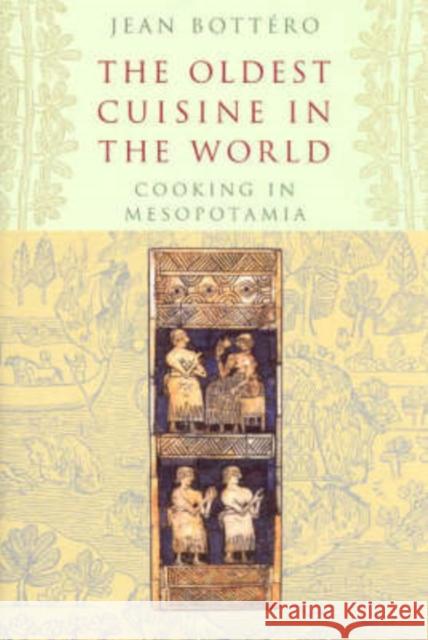
In this intriguing blend of the commonplace and the ancient, Jean Bottero presents the first extensive look at the delectable secrets of Mesopotamia. Bottero s broad perspective takes us inside the religious rites, everyday rituals, attitudes and taboos, and even the detailed preparation techniques involving food and drink in Mesopotamian high culture during the second and third millennia BCE, as the Mesopotamians recorded them.
Offering everything from translated recipes for pigeon and gazelle stews, the contents of medicinal teas and broths, and the origins of ingredients native to the...
In this intriguing blend of the commonplace and the ancient, Jean Bottero presents the first extensive look at the delectable secrets of Mesopotami...
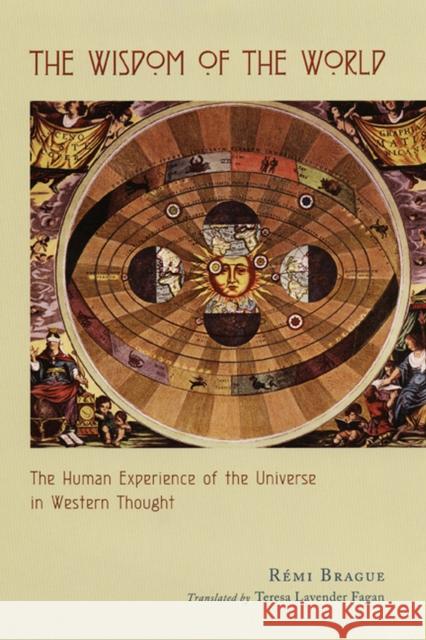
When the ancient Greeks looked up into the heavens, they saw not just sun and moon, stars and planets, but a complete, coherent universe, a model of the Good that could serve as a guide to a better life. How this view of the world came to be, and how we lost it (or turned away from it) on the way to becoming modern, make for a fascinating story, told in a highly accessible manner by Remi Brague in this wide-ranging cultural history. Before the Greeks, people thought human action was required to maintain the order of the universe and so conducted rituals and sacrifices to renew and...
When the ancient Greeks looked up into the heavens, they saw not just sun and moon, stars and planets, but a complete, coherent universe, a model of t...
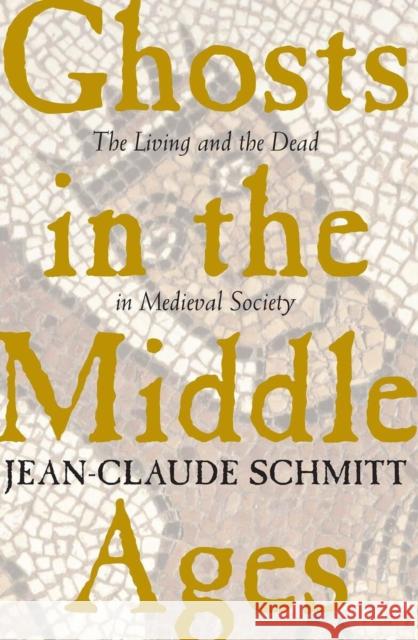
Through this vivid study, Jean-Claude Schmitt examines medieval religious culture and the significance of the widespread belief in ghosts, revealing the ways in which the dead and the living related to each other during the middle ages. Schmitt also discusses Augustine's influence on medieval authors; the link between dreams and autobiographical narratives; and monastic visions and folklore. Including numerous color reproductions of ghosts and ghostly trappings, this book presents a unique and intriguing look at medieval culture. "Valuable and highly readable. . . . "Ghosts in the...
Through this vivid study, Jean-Claude Schmitt examines medieval religious culture and the significance of the widespread belief in ghosts, revealing t...
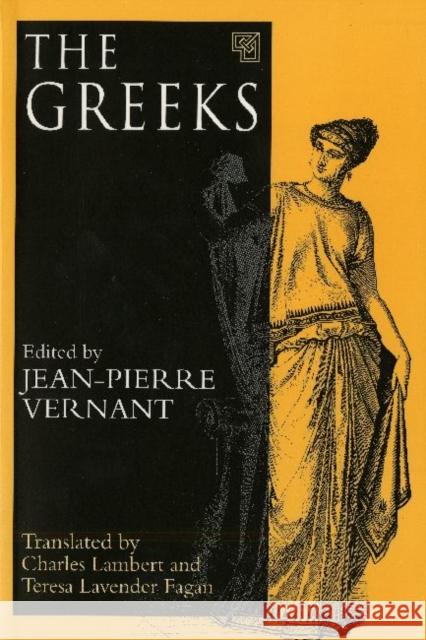
Jean Pierre Vernant Charles Lambert Teresa Lavender Fagan
What do we mean when we speak of ancient Greeks? A person from the Archaic period? The war hero celebrated by Homer? Or the fourth century "political animal" described by Aristotle? In this book, leading scholars show what it meant to be Greek during the classical period of Greek civilization. The Greeks offers the most complete portraits available of typical Greek personages from Athens to Sparta, Arcadia, Thessaly and Epirus to the city-states of Asia Minor, to the colonies of the Black Sea, southern Italy, and Sicily. Looking at the citizen, the religious believer, the soldier, the...
What do we mean when we speak of ancient Greeks? A person from the Archaic period? The war hero celebrated by Homer? Or the fourth century "political ...
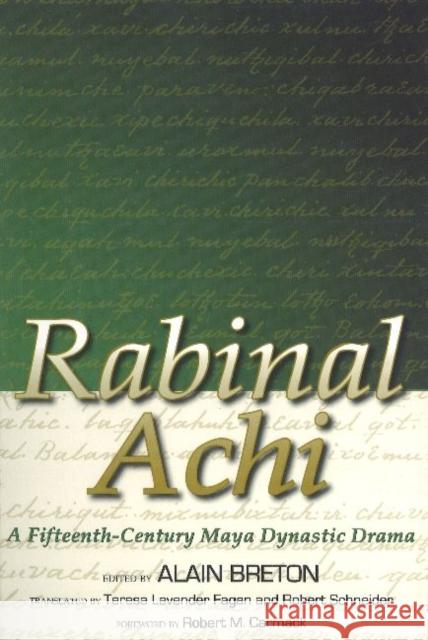
The Rabinal Achi, one of the most remarkable works of Mayan literature, dates back to the 1400s. In 2005, UNESCO declared Rabinal Achi to be a Masterpiece of the Oral and Intangible Heritage of Humanity. This drama is still performed with a ritual dance in the village of Rabinal (Baja Verapaz). The drama is set in the Guatemalan highlands in the second half of the fifteenth century. In an exemplary trial that takes place in Kajyub, the capital of the Rabinaleb at that time, a captured enemy warrior (Quiche Achi) appears before the royal court. A series of combative dialogues pits the...
The Rabinal Achi, one of the most remarkable works of Mayan literature, dates back to the 1400s. In 2005, UNESCO declared Rabinal Achi to be a Masterp...
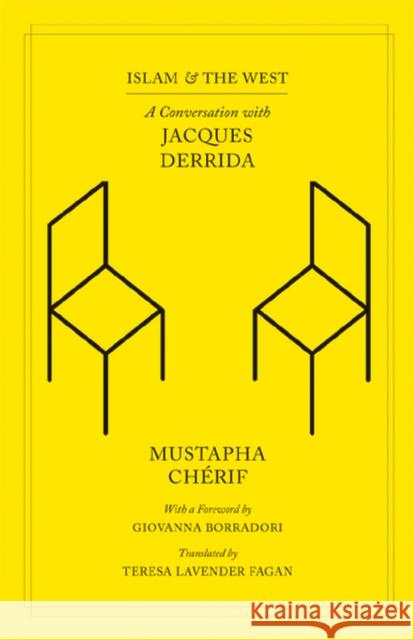
In the spring of 2003, Jacques Derrida sat down for a public debate in Paris with Algerian intellectual Mustapha Cherif. The eminent philosopher arrived at the event directly from the hospital where he had just been diagnosed with pancreatic cancer, the illness that would take his life just over a year later. That he still participated in the exchange testifies to the magnitude of the subject at hand: the increasingly distressed relationship between Islam and the West, and the questions of freedom, justice, and democracy that surround it. As Cherif relates in this account of their dialogue,...
In the spring of 2003, Jacques Derrida sat down for a public debate in Paris with Algerian intellectual Mustapha Cherif. The eminent philosopher arriv...
Winner of the 2008 Nobel Prize for Literature, J. M. G. Le Clezio here conjures the consciousness of Mexico, powerfully evoking the dreams that made and unmade an ancient culture. Le Clezio's haunting book takes us into the dream that was the religion of the Aztecs, a religion whose own apocalyptic visions anticipated the coming of the Spanish conquerors. Here the dream of the conquistadores rises before us, too, the glimmering idea of gold drawing Europe into the Mexican dream. Against the religion and thought of the Aztecs and the Tarascans and the Europeans in Mexico, Le Clezio also...
Winner of the 2008 Nobel Prize for Literature, J. M. G. Le Clezio here conjures the consciousness of Mexico, powerfully evoking the dreams that mad...
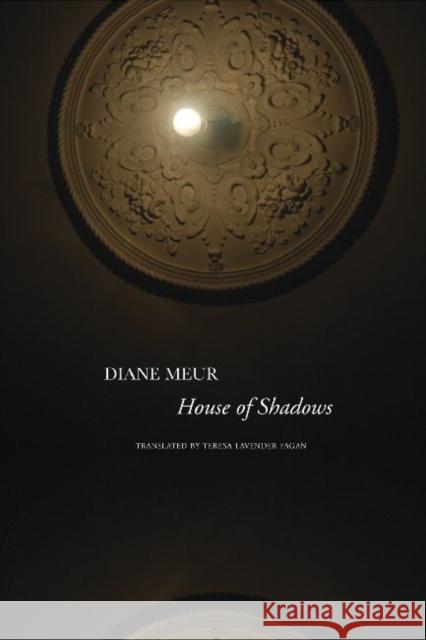
After the failed revolutions of 1848, Galicia has been brought under the rule of the Habsburg Empire, and the Zemka family find themselves embroiled in the struggle for Polish independence. This is a history of Eastern Europe told in miniature through the tumultuous saga of one family as they try to reclaim their estate in the decades of violence and political confusion that follow. In this extraordinary novel, Diane Meur calls upon an unusual narrator: the ancestral house itselfthe House of Shadows of the titlewhich, from behind its unmoving facade, watches the comings and goings of...
After the failed revolutions of 1848, Galicia has been brought under the rule of the Habsburg Empire, and the Zemka family find themselves embroil...
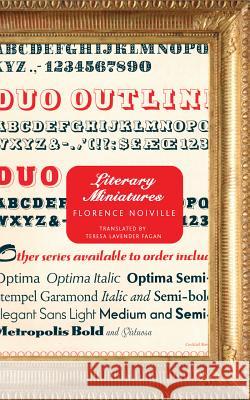
Selected from the pages of "Le Monde," the interviews conducted by Florence Noiville are unequaled in literary journalism. In" Literary Miniatures," Noiville captures the words and views of some of the best known writers of the twentieth century, engaging luminaries like Saul Bellow, Nadine Gordimer, Aharon Appelfeld, and A. S. Byatt in revealing dialogue. In this collection, Noiville converses with Don DeLillo, reasons with Adolfo Bioy Casares, passes the time with Milan Kundera, and gently interrogates John Le Carre. Fluent in many languages, Noiville conducted a number of these...
Selected from the pages of "Le Monde," the interviews conducted by Florence Noiville are unequaled in literary journalism. In" Literary Miniatures," N...
From the outset of Napoleon s career, the charismatic Corsican was compared to mythic heroes of antiquity like Achilles, and even today he remains the apotheosis of French glory, a value deeply embedded in the country s history. From this angle, the Napoleonic era can be viewed as the final chapter in the battle of the Ancients and Moderns. In this book, Robert Morrissey presents a literary and cultural history of glory and its development in France and explores the economy of glory Napoleon sought to implement in an attempt to heal the divide between the Old Regime and the...
From the outset of Napoleon s career, the charismatic Corsican was compared to mythic heroes of antiquity like Achilles, and even today he remains the...