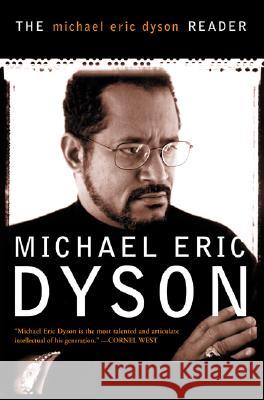
Acclaimed for his writing on Malcolm X, Martin Luther King, Jr., Tupac Shakur, and many more, Michael Eric Dyson has emerged as the leading African-American intellectual of his generation. This collection gathers the best of Dyson's vast and growing body of work from the last several years: his most incisive commentary, the most stirring passages, and the sharpest, most probing and broadminded critical analyses. From Michael Jordan to the role of religion in public life, from Toni Morrison to patriotism in the wake of 9/11, the mastery and ease with which Dyson tackles just about any subject...
Acclaimed for his writing on Malcolm X, Martin Luther King, Jr., Tupac Shakur, and many more, Michael Eric Dyson has emerged as the leading African-Am...
When Hurricane Katrina tore through New Orleans and the Gulf Coast, hundreds of thousands were left behind to suffer the ravages of destruction, disease, and even death. The majority of these people were black; nearly all were poor. The Federal government's slow response to local appeals for help is by now notorious. Yet despite the cries of outrage that have mounted since the levees broke, we have failed to confront the disaster's true lesson: to be poor, or black, in today's ownership society, is to be left behind. Displaying the intellectual rigor, political passion, and personal empathy...
When Hurricane Katrina tore through New Orleans and the Gulf Coast, hundreds of thousands were left behind to suffer the ravages of destruction, disea...
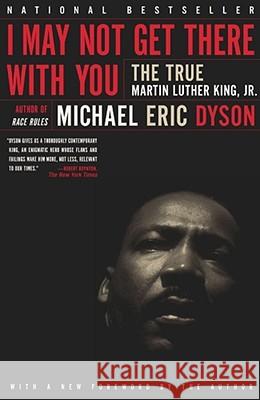
A private citizen who transformed the world around him, Martin Luther King, Jr., was arguably the greatest American who ever lived. Now, after more than thirty years, few people understand how truly radical he was. In this groundbreaking examination of the man and his legacy, provocative author, lecturer, and professor Michael Eric Dyson restores King's true vitality and complexity and challenges us to embrace the very contradictions that make King relevant in today's world.
A private citizen who transformed the world around him, Martin Luther King, Jr., was arguably the greatest American who ever lived. Now, after more th...
Faith, hope, and love embody the black theology of liberation, a movement created by a group of African- American pastors in the 1960s who felt that Christ's gospel held a special message of liberation for African- Americans, and for all oppressed people. Beginning with an intimate introduction, Hopkins writes of his mother's death, when he was nine, and reveals that his father's love for the poor influenced him to become a Minister and to pursue a life of service which required 'a compassionate intellect and an intellectual compassion. Hopkins asserts that in this post-Civil Rights,...
Faith, hope, and love embody the black theology of liberation, a movement created by a group of African- American pastors in the 1960s who felt that C...
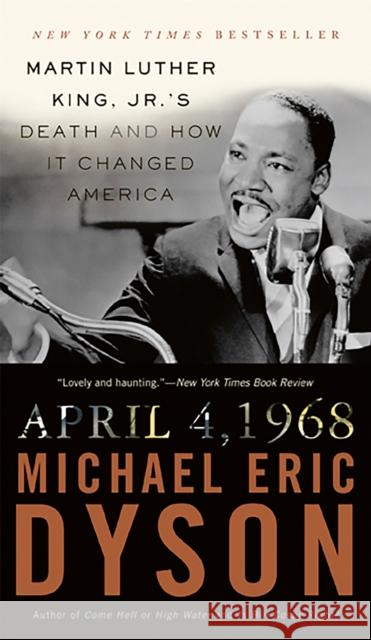
On April 4, 1968, at 6:01 p.m., while he was standing on a balcony at a Memphis hotel, Martin Luther King Jr. was shot and fatally wounded. Only hours earlier King ended his final speech with the words, "I may not get there with you, but I want you to know tonight, that we as a people will get to the Promised Land."
Acclaimed public intellectual and best-selling author Michael Eric Dyson examines how King fought, and faced, his own death, and how America can draw on his legacy in the twenty-first century. April 4, 1968 celebrates the leadership of Dr. King, and challenges America to...
On April 4, 1968, at 6:01 p.m., while he was standing on a balcony at a Memphis hotel, Martin Luther King Jr. was shot and fatally wounded. Only hours...
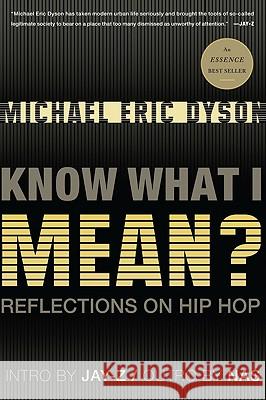
Whether along race, class, or generational lines, hip-hop music has been a source of controversy since the beats got too big and the voices too loud for the block parties that spawned them. America has condemned and commended this music and the culture that inspires it. Dubbed "the Hip-Hop Intellectual" by critics and fans for his pioneering explorations of rap music in the academy and beyond, Michael Eric Dyson tackles the most compelling and controversial dimensions of hip-hop culture.
Know What I Mean? addresses the creative expression of degraded youth; the vexed gender relations...
Whether along race, class, or generational lines, hip-hop music has been a source of controversy since the beats got too big and the voices too loud f...
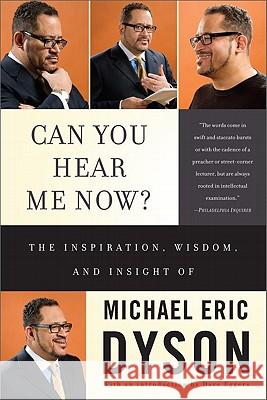
Dyson's latest work offers a sampling of the author's sharp wit, profound thought, and edifying eloquence of the enduring problems of humanity, from love and justice to race relations and politics.
Dyson's latest work offers a sampling of the author's sharp wit, profound thought, and edifying eloquence of the enduring problems of humanity, from l...
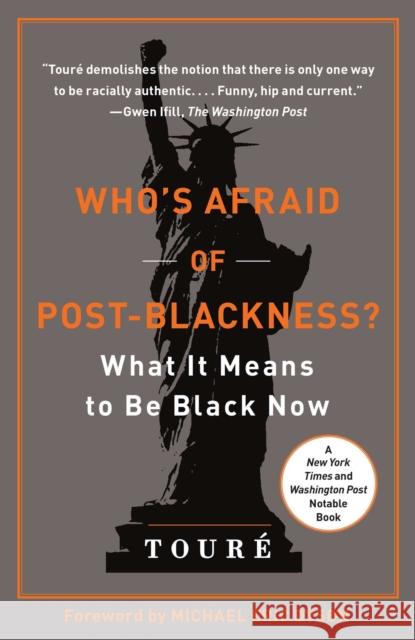
Now in paperback, "one of the most acutely observed accounts of what it is like to be young, Black, and middle-class in contemporary America...told in a distinctive voice that is often humorous...but always intensely engaging" (Orlando Patterson, The New York Times). In this provocative book, writer and cultural critic Toure explores the concept of Post-Blackness: the ability for someone to be rooted in but not restricted by their race. Drawing on his own experiences and those of 105 luminaries, he argues that racial identity should be understood as fluid, complex, and...
Now in paperback, "one of the most acutely observed accounts of what it is like to be young, Black, and middle-class in contemporary America...told...
Offers a collection of emotionally charged photographs that document a poignant day in American history. This title offers a photo-essay documenting the March on Washington for Jobs and Freedom of August 28, 1963, the historic day on which Dr Martin Luther King Jr delivered his I Have a Dream speech at the base of the Lincoln Memorial.
Offers a collection of emotionally charged photographs that document a poignant day in American history. This title offers a photo-essay documenting t...