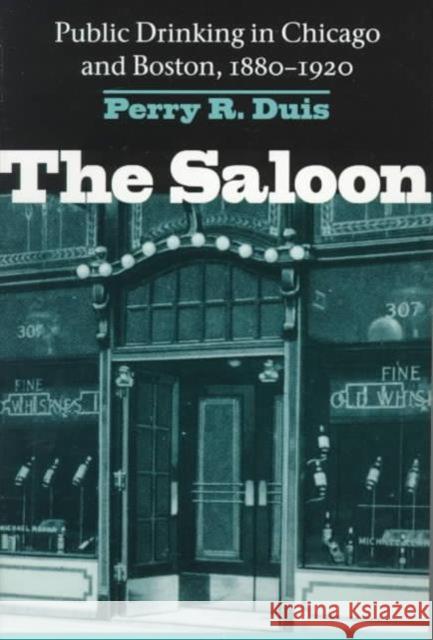
Presents evidence that the saloon, played an important role in the working-class community life. Focusing on public drinking in Chicago and Boston, this book offers a discussion of the saloon, as a social institution and a locus of the struggle between middle-class notions of privacy and working-class uses of public space.
Presents evidence that the saloon, played an important role in the working-class community life. Focusing on public drinking in Chicago and Boston, th...
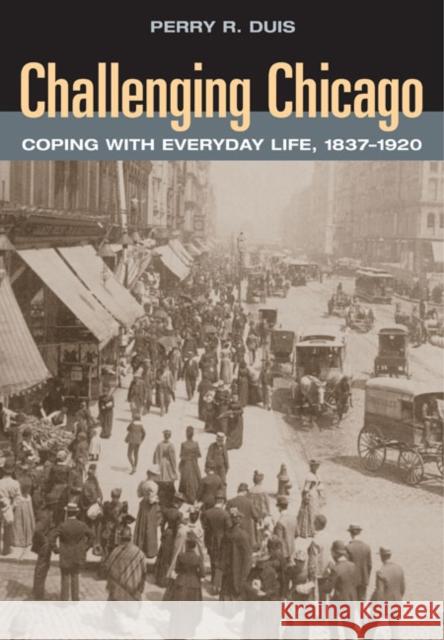
During an unprecedented period of rapid growth, the burgeoning metropolis of Chicago quickly became a "concentration of risk". Through vignettes and real-life stories, this work reveals lower and middle-class peoples' strategies for coping with technology, crowding, anonymity, and other urban ills.
During an unprecedented period of rapid growth, the burgeoning metropolis of Chicago quickly became a "concentration of risk". Through vignettes and r...
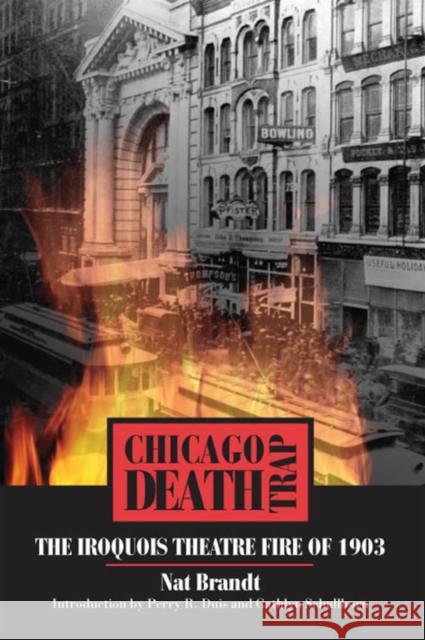
On the afternoon of December 30, 1903, during a sold-out matinee performance, a fire broke out in Chicago s Iroquois Theatre. In the short span of twenty minutes, more than six hundred people were asphyxiated, burned, or trampled to death in a panicked mob s failed attempt to escape. In Chicago Death Trap: The Iroquois Theatre Fire of 1903, Nat Brandt provides a detailed chronicle of this horrific event to assess not only the titanic tragedy of the fire itself but also the municipal corruption and greed that kindled the flames beforehand and the political cover-ups hidden in the...
On the afternoon of December 30, 1903, during a sold-out matinee performance, a fire broke out in Chicago s Iroquois Theatre. In the short span of ...