In 1848, more than a thousand ships set sail for San Francisco, filled with eager fortune hunters. James P. Delgado provides a comprehensive examination of the Gold Rush from the perspective of the mariners to demonstrate that maritime activity is a pervasive thread in the event's history.
In 1848, more than a thousand ships set sail for San Francisco, filled with eager fortune hunters. James P. Delgado provides a comprehensive examinati...
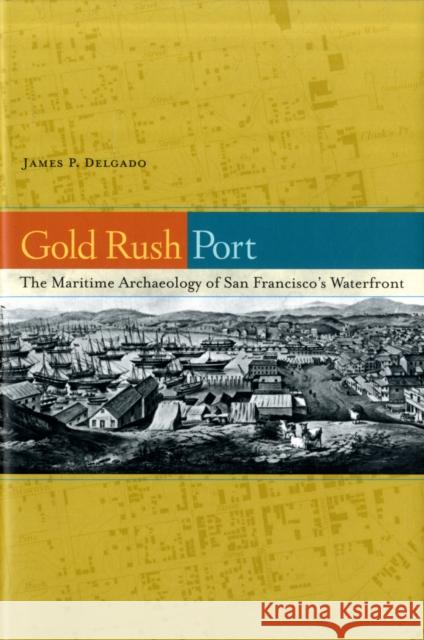
Described as a "forest of masts," San Francisco's Gold Rush waterfront was a floating economy of ships and wharves, where a dazzling array of global goods was traded and transported. Drawing on excavations in buried ships and collapsed buildings from this period, James P. Delgado re-creates San Francisco's unique maritime landscape, shedding new light on the city's remarkable rise from a small village to a boomtown of thousands in the three short years from 1848 to 1851. Gleaning history from artifacts--preserves and liquors in bottles, leather boots and jackets, hulls of ships, even crocks...
Described as a "forest of masts," San Francisco's Gold Rush waterfront was a floating economy of ships and wharves, where a dazzling array of global g...
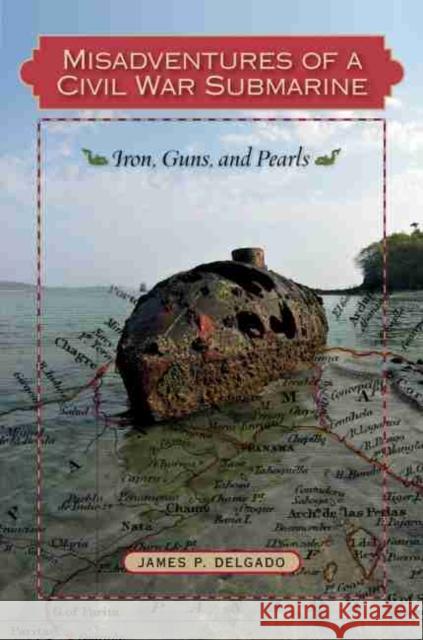
In 2001, while vacationing on Panama s Pacific coast, maritime archaeologist James P. Delgado came upon the hulk of a mysterious iron vessel, revealed by the ebbing tides in a small cove at Isla San Telmo. Local inquiries proved inconclusive: the wreck was described as everything from a sunken Japanese "suicide" submarine from World War II to a poison-laden "craft of death" that was responsible for the ruin of the pearl beds, decades before. His professional interest fully aroused, Delgado would go on to learn that the wreck was the remains of one of the first successful deep-diving...
In 2001, while vacationing on Panama s Pacific coast, maritime archaeologist James P. Delgado came upon the hulk of a mysterious iron vessel, revealed...
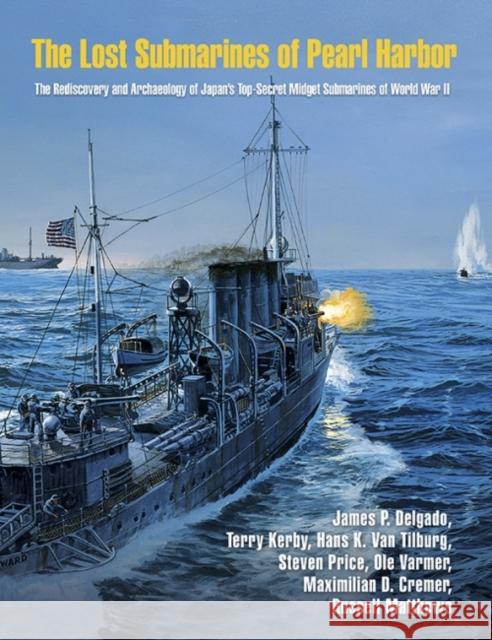
In the pre-dawn darkness of December 7, 1941, five Imperial Japanese Navy submarines surfaced off the coast of Oahu. Secured to the decks of these vessels were secret weapons to be deployed for the first time in modern warfare: two-man midget submarines, intended to enter Pearl Harbor without being detected and torpedo the US Navy battleships lying at anchor there. None of them would return from their mission. "One of the last remaining and persistent mysteries of the Pearl Harbor attack is that of the Japanese Midget Submarines. It is a fascinating story of innovation, courage, secrets,...
In the pre-dawn darkness of December 7, 1941, five Imperial Japanese Navy submarines surfaced off the coast of Oahu. Secured to the decks of these ves...