One was a robust charmer given to fits of passion, whose physical appeal could captivate women as easily as cajole colleagues. The other was a frail, melancholy man of quiet intellect, whose ailments drove him eventually to alcohol and drug addiction. Born into different social classes, they were as opposite as men could be. Yet these sons of Georgia, Robert Toombs and Alexander H. Stephens, became fast friends and together changed the course of the South. Writing with the style and authority that has made him one of our most popular historians of the Civil War, William C. Davis has...
One was a robust charmer given to fits of passion, whose physical appeal could captivate women as easily as cajole colleagues. The other was a frail, ...
For nearly a quarter of a century, Pulitzer Prize nominee William C. Davis has been one of our best writers on the Civil War. His books--including Breckinridge: Statesman, Soldier, Symbol; Jefferson Davis: The Man and His Hour; and "A Government of Our Own": The Making of the Confederacy--have garnered numerous awards and enlightened and entertained an avid readership. The Cause Lost extends that tradition of excellence with provocative new insights into the myths and realities of an endlessly fascinating subject. In these pages, Davis brings into sharp focus...
For nearly a quarter of a century, Pulitzer Prize nominee William C. Davis has been one of our best writers on the Civil War. His books--including ...
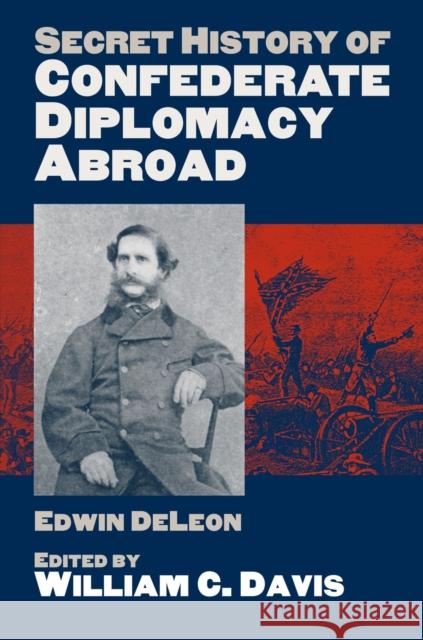
One of the South's most urgent priorities in the Civil War was obtaining the recognition of foreign governments. Edwin De Leon, a Confederate propagandist charged with wooing Britain and France, opens up this vital dimension of the war in the earliest known account by a Confederate foreign agent. First published in the New York Citizen in 1867-68, De Leon's memoir subsequently sank out of sight until its recent rediscovery by William C. Davis, one of the Civil War field's true luminaries. Both reflective and engaging, it brims with insights and immediacy lacking in other works, covering...
One of the South's most urgent priorities in the Civil War was obtaining the recognition of foreign governments. Edwin De Leon, a Confederate propagan...
William C. Davis, "one of the best and most prolific historians of the American Civil War" (James M. McPherson, author of Battle Cry of Freedom), offers a definitive portrait of the Confederacy unlike any other. Drawing on decades of writing and research among an unprecedented number of archives, ranging from the 800-odd newspapers in operation during the war to the personal writings of more than 100 leaders and common citizens, Davis reveals the Confederacy through the words of the Confederates themselves. Look Away recounts all the epic sagas -- as well as those...
William C. Davis, "one of the best and most prolific historians of the American Civil War" (James M. McPherson, author of Battle Cry of Freedom)
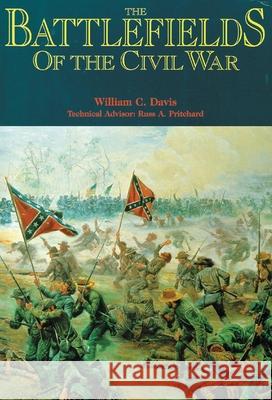
"The Battlefields of the Civil War" tells the stories of thirteen of the most important battles, including First Manassas, Shiloh, Antietam, Vicksburg, Gettysburg, and the Wilderness.
William C. Davis not only describes the events and outcomes of those great engagements, but also delves into the characters of the army commanders, revealing in many cases just how much their personalities influenced the actions of their subordinates - and ultimately the outcome of the battles themselves. Rounding out the narrative are 35 full-page color photograph spreads of Civil War artifacts (including...
"The Battlefields of the Civil War" tells the stories of thirteen of the most important battles, including First Manassas, Shiloh, Antietam, Vicksb...
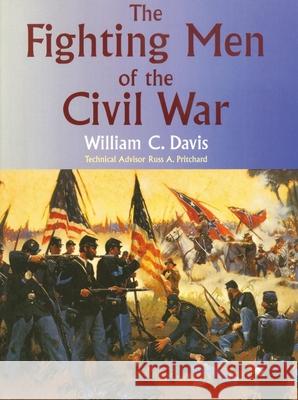
Even though the Civil War is among the best-documented wars in world history, the story of the individual soldier is not well documented. What is the story of the men in blue and gray? In "The Fighting Men of the Civil War," William C. Davis shows us that for these soldiers the Civil War was far removed from politics, from the great question of slavery, even from the movement of armies.
Shifting his focus from the officer to the men in the ranks, he begins with enlistment and training, follows with life in the camp and on the march, and concludes with experiences of combat, imprisonment,...
Even though the Civil War is among the best-documented wars in world history, the story of the individual soldier is not well documented. What is t...
The first major history ever written on the first battle of the Civil War, this narrative describes the chaotic fighting by courageous amateurs that nearly resulted in Confederate independence.
The first major history ever written on the first battle of the Civil War, this narrative describes the chaotic fighting by courageous amateurs that n...
Using letters, diaries, and memoirs of men who lived through the epic battle of the 'Monitor' and the 'Merrimack' and of those who witnessed it from afar, William C. Davis documents and analyzes this famous confrontation of the first two modern warships.
Using letters, diaries, and memoirs of men who lived through the epic battle of the 'Monitor' and the 'Merrimack' and of those who witnessed it from a...
In this book, William C. Davis narrates one of the most memorable and crucial of the engagements fought for control of the strategically vital Shenandoah Valley -- a battle that centered on the farming community of New Market. There, Confederate forces under the command of General John C. Breckinridge defeated the numerically superior army commanded by the Union's hapless General Franz Sigel. Outnumbered by a margin of four to one at the beginning of the conflict, Breckinridge was desperate for additional men. He sent out a call for assistance to the Virginia Military Institute, and the...
In this book, William C. Davis narrates one of the most memorable and crucial of the engagements fought for control of the strategically vital Shen...
Alfred Jackson Hanna Alfred Jackson Hanna William C. Davis
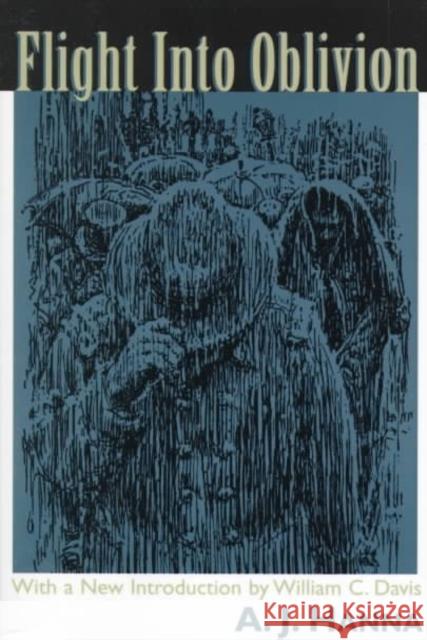
Hanna begins with General Lee's fatal telegram and the hasty exodus of Jefferson Davis and high officials to Danville, then Greensboro and Charlotte. From there the Confederate Cabinet dispersed, and the author follows each man's adventurous course in detail. Most of the fugitives headed for the pine barrens and scrub lands of Florida but were soon apprehended. Only John C. Breckinridge and Judah P. Benjamin successfully escaped, outwitting Federal officials and pirates along their way to Cuba. A classic work that makes for fabulous, spirited reading, Flight Into Oblivion, first published...
Hanna begins with General Lee's fatal telegram and the hasty exodus of Jefferson Davis and high officials to Danville, then Greensboro and Charlott...