This book shows how a rural household economy of small-holders in one of the least isolated areas of France, the Loire Country, managed to survive the challenges of the nineteenth century. Rather than taking the view that this system was an anachronism doomed to disappear, the author recognises its large adaptive capacity during times of stress. This leads to a critical assessment of the notions of 'industrialisation' and 'modernisation' that will interest economists, anthropologists and social scientists, as well as historians.
This book shows how a rural household economy of small-holders in one of the least isolated areas of France, the Loire Country, managed to survive the...
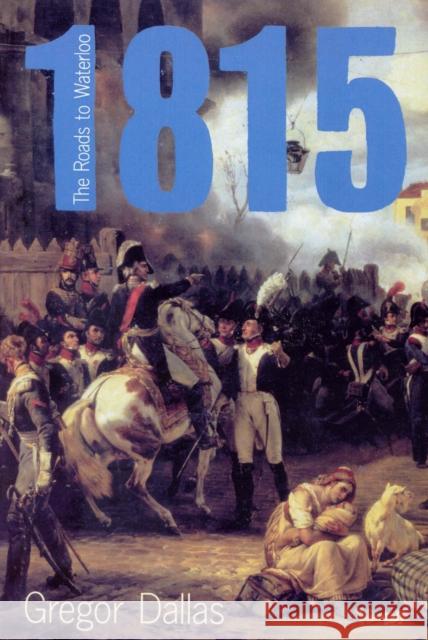
The 17 months from April 1814 to August 1815 were an extraordinary period in European history--a period that saw two sieges of Paris, a complete revision of Europe's political frontiers, an international Congress set up in Vienna, civil war in Italy, and international war in Belgium. Gregor Dallas tells the story of these days through the perspective of three very different European cities: the great metropolis of London, post-revolutionary Paris, and baroque Vienna. The writing is almost cinematic in its power to evoke the Europe of Tolstoy--the ebb and flow of power, of armies, and of...
The 17 months from April 1814 to August 1815 were an extraordinary period in European history--a period that saw two sieges of Paris, a complete revis...
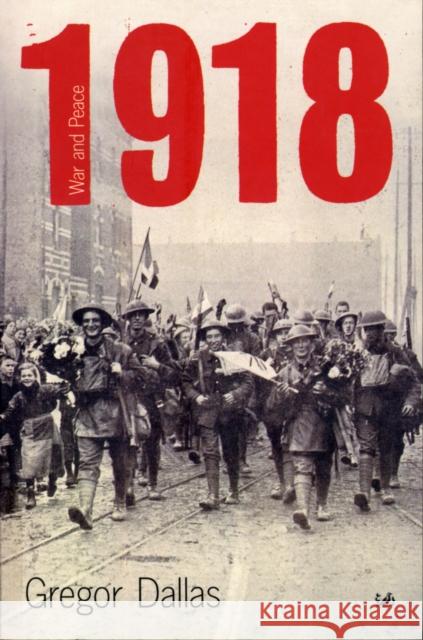
A history that traces the transition from war to peace across Europe after World War I. It follows the movement of armies over the northern plains, their collapse, their demobilization, and the effect this had on the material life of people. The book examines these dramatic events from the perspective of five capitals: Berlin, Paris, London, Moscow and Washington.
A history that traces the transition from war to peace across Europe after World War I. It follows the movement of armies over the northern plains, th...