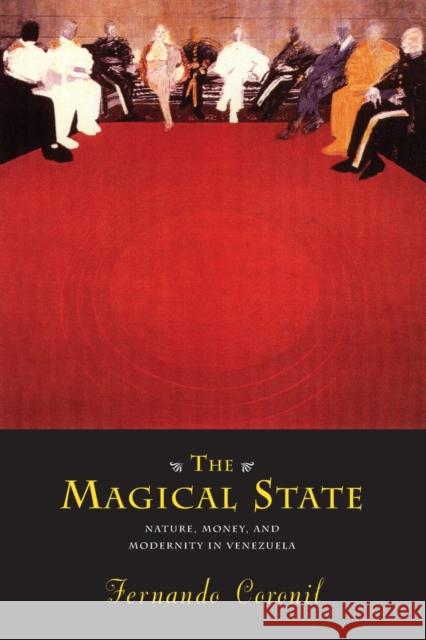
In 1935, after the death of dictator General Juan Vicente Gomez, Venezuela consolidated its position as the world's major oil exporter and began to establish what today is South America's longest-lasting democratic regime. Endowed with the power of state oil wealth, successive presidents appeared as transcendent figures who could magically transform Venezuela into a modern nation. During the 1974-78 oil boom, dazzling development projects promised finally to effect this transformation. Yet now the state must struggle to appease its foreign creditors, counter a declining economy, and contain a...
In 1935, after the death of dictator General Juan Vicente Gomez, Venezuela consolidated its position as the world's major oil exporter and began to es...
In 1935, after the death of dictator General Juan Vicente Gomez, Venezuela consolidated its position as the world's major oil exporter and began to establish what today is South America's longest-lasting democratic regime. Endowed with the power of state oil wealth, successive presidents appeared as transcendent figures who could magically transform Venezuela into a modern nation. During the 1974-78 oil boom, dazzling development projects promised finally to effect this transformation. Yet now the state must struggle to appease its foreign creditors, counter a declining economy, and contain a...
In 1935, after the death of dictator General Juan Vicente Gomez, Venezuela consolidated its position as the world's major oil exporter and began to es...
This extraordinary collection of essays recasts prevailing understandings of the role of violence in the formation of the modern world. By illuminating the links between exceptional ruptures and the routine maintenance of social order, the collection expands and redefines our understanding of political violence. By means of a combination of detailed historical studies and imaginative reflection, this book explores the often unrecognized violent foundations of modern nations. Focusing on the relations between the state and the domestic order, it directs attention to contests over the...
This extraordinary collection of essays recasts prevailing understandings of the role of violence in the formation of the modern world. By illuminatin...
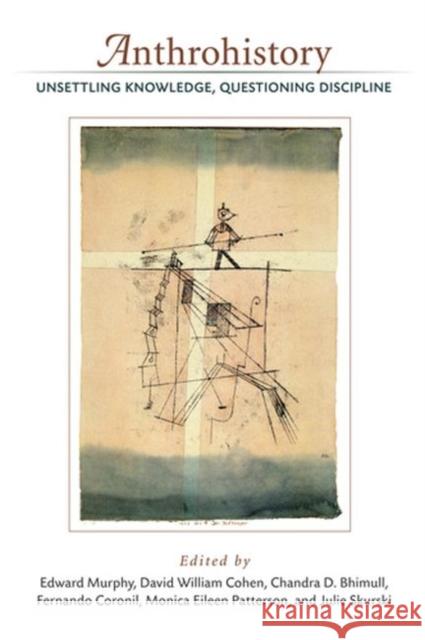
Stretching back to the 1950s, interdisciplinary work between anthropology and history has taken diverse expressions. Yet it has developed with more coherence since the 1980s, largely in response to the declining promise of global modernity and the rise of poststructuralism and deconstructionism. Through a critical and contemporary engagement with this wave of scholarship, this volume challenges readers to think of work at the crossroads of anthropology and history as transdisciplinary and anthrohistorical, moving beyond a partial integration of the disciplines as it critically evaluates their...
Stretching back to the 1950s, interdisciplinary work between anthropology and history has taken diverse expressions. Yet it has developed with more co...