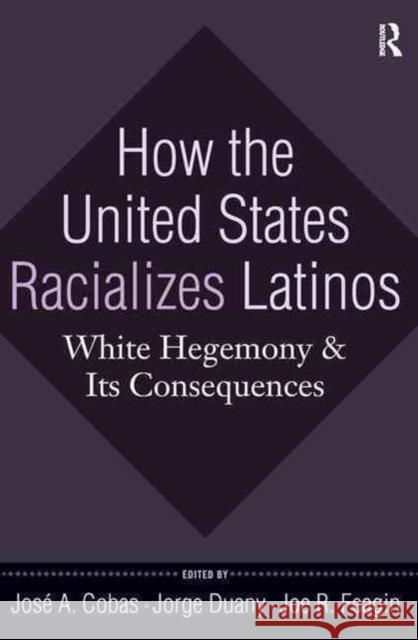
Mexican and Central American undocumented immigrants, as well as U.S. citizens such as Puerto Ricans and Mexican-Americans, have become a significant portion of the U.S. population. Yet the U.S. government, mainstream society, and radical activists characterize this rich diversity of peoples and cultures as one group alternatively called "Hispanics," "Latinos," or even the pejorative "Illegals." How has this racializing of populations engendered governmental policies, police profiling, economic exploitation, and even violence that afflict these groups? From a variety of settings-New York, New...
Mexican and Central American undocumented immigrants, as well as U.S. citizens such as Puerto Ricans and Mexican-Americans, have become a significant ...
Mexican and Central American undocumented immigrants, as well as U.S. citizens such as Puerto Ricans and Mexican-Americans, have become a significant portion of the U.S. population. Yet the U.S. government, mainstream society, and radical activists characterize this rich diversity of peoples and cultures as one group alternatively called "Hispanics," "Latinos," or even the pejorative "Illegals." How has this racializing of populations engendered governmental policies, police profiling, economic exploitation, and even violence that afflict these groups? From a variety of settings-New York, New...
Mexican and Central American undocumented immigrants, as well as U.S. citizens such as Puerto Ricans and Mexican-Americans, have become a significant ...