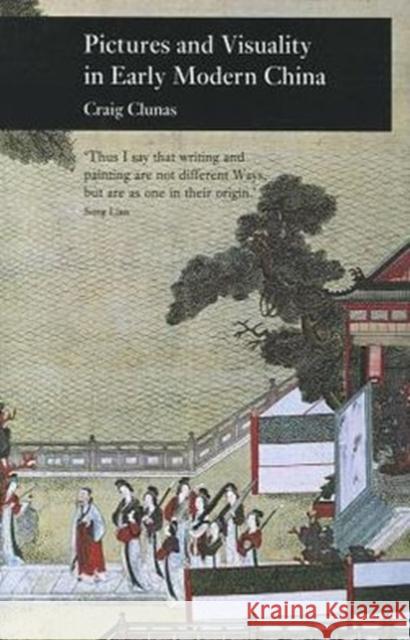
Pictures and Visuality in Early Modern China is not simply a survey of sixteenth-century images, but rather, a thorough and thoughtful examination of visual culture in China's Ming Dynasty, one that considers images wherever they appeared not only paintings, but also illustrated books, maps, ceramic bowls, lacquered boxes, painted fans, and even clothing and tomb pictures. Clunas's theory of visuality incorporates not only the image and the object upon which it is placed but also the culture which produced and purchased it. Economic changes in sixteenth-century China the rapid...
Pictures and Visuality in Early Modern China is not simply a survey of sixteenth-century images, but rather, a thorough and thoughtful examinat...
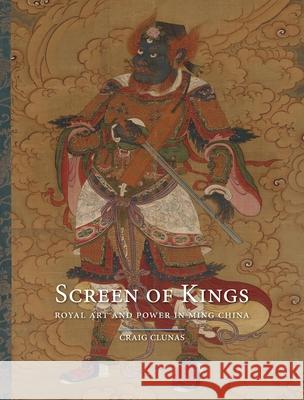
Screen of Kings is the first book in any language to examine the cultural role of the regional aristocracy - relatives of the emperors - in Ming dynasty China (1368-1644). Through an analysis of their patronage of architecture, calligraphy, painting and other art forms, and through a study of the contents of their splendid and recently excavated tombs, this innovative study puts the aristocracy back at the heart of accounts of China's culture, from which they have been excluded until very recently.
Screen of Kings challenges much of the received wisdom about Ming China. Craig Clunas...
Screen of Kings is the first book in any language to examine the cultural role of the regional aristocracy - relatives of the emperors - in Ming dy...
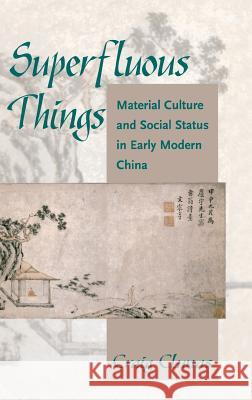
This outstanding and original book, presented here with a new preface, examines the history of material culture in early modern China. Craig Clunas analyzes "superfluous things"--the paintings, calligraphy, bronzes, ceramics, carved jade, and other objects owned by the elites of Ming China--and describes contemporary attitudes to them. He informs his discussions with reference to both socio-cultural theory and current debates on eighteenth-century England concerning luxury, conspicuous consumption, and the growth of the consumer society.
Now in paperback
This outstanding and original book, presented here with a new preface, examines the history of material culture in early mod...
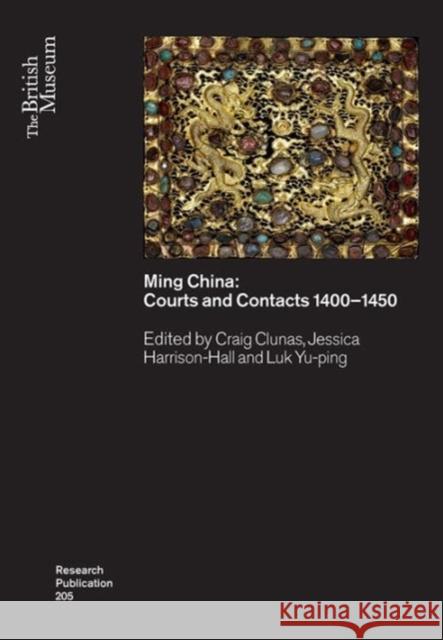
This ground-breaking, beautifully illustrated publication is the outcome of the conference 'Ming: Courts and Contacts 1400-1450' that accompanied the British Museum's major exhibition Ming: 50 years that changed China (September 2014-January 2015). The scope of the exhibition and conference focused on Ming dynasty China in the years 1400 to 1450, a time when China was the largest (and one of the most prosperous) states in the world, ruled by a single family through a network of imperial and regional courts. During this period, many cultural, social and political themes that were to dominate...
This ground-breaking, beautifully illustrated publication is the outcome of the conference 'Ming: Courts and Contacts 1400-1450' that accompanied the ...