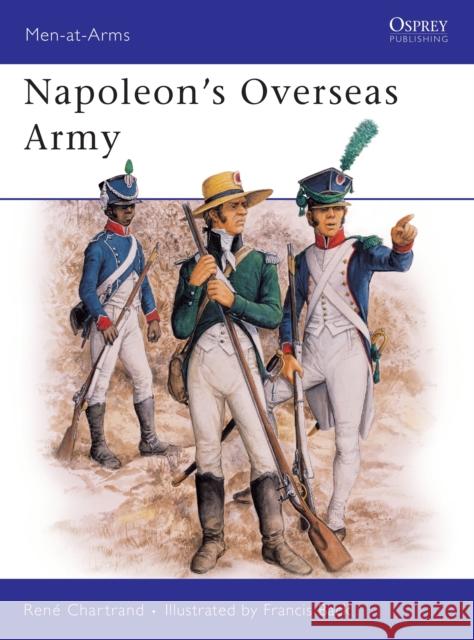
When the French Revolution broke out in 1789, France possessed numerous colonies spread over three continents. To defend and keep the peace in these territories, a small army of colonial troops, distinct from the metropolitan line regiments or marines, had existed since the days of Louis XIV. This book examines the history and uniforms of the often-overlooked French armies in Saint-Domingue, Guadeloupe, Martinique, St Lucia, Tobago, Ile-de-France, La Reunion, Pondichery, Guiana, Senegal and Saint-Pierre-et-Miquelon. The text is backed by numerous illustrations offering a rare glimpse into...
When the French Revolution broke out in 1789, France possessed numerous colonies spread over three continents. To defend and keep the peace in these t...
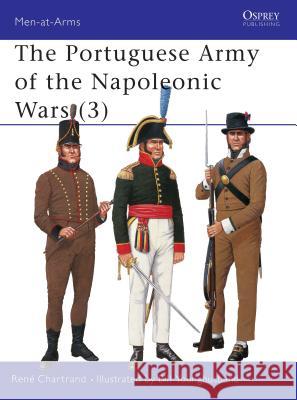
This remarkable three-part study will transform the research material available to the English-speaking student of the Peninsular War (1808-1814). Most know that Wellington's Portuguese troops were praised as the 'fighting cocks' of his army; fewer appreciate that they represented between half and one-third of his entire forces. Similarly, most uniform historians have been limited to a few half-understood paintings by Dighton, and brief notes from secondary sources. Rene Chartrand's recent primary research in Portuguese and British archives now offers a wealth of new material. This third...
This remarkable three-part study will transform the research material available to the English-speaking student of the Peninsular War (1808-1814). Mos...
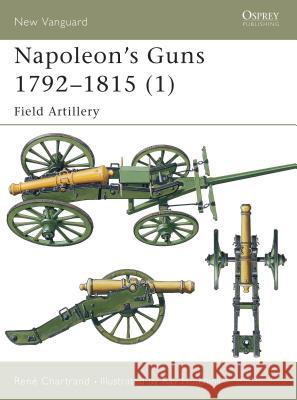
As a young gunner, Napoleon Bonaparte was trained in one of Europe's finest artillery arms. Both the technological sophistication of their weaponry and the skill of their gunners was largely the result of the adoption of the system devised by one man, Jean-Baptiste Vaquette de Gribeauval. Gribeauval's standardised system of parts and calibres allowed a degree of uniformity and sophistication in the French artillery that was unmatched throughout Europe, and allowed Napoleon to inherit and develop an arm that could dominate the battlefield. This volume covers the field artillery pieces of the...
As a young gunner, Napoleon Bonaparte was trained in one of Europe's finest artillery arms. Both the technological sophistication of their weaponry an...
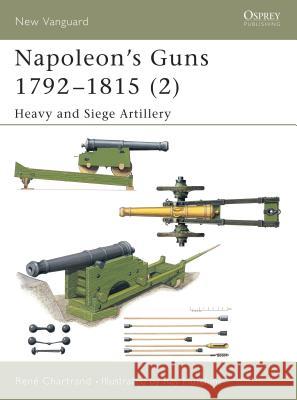
This volume is the second half of the story of the French artillery during the Revolutionary and Napoleonic Wars. It covers the howitzers, mortars and large siege (16- and 24-pdrs) and garrison (8- and 12-pdrs) guns, placing a special emphasis on their role, technical significance and operational use. The introduction of the Gribeauval system put in place a collection of mortars and large guns that were lighter and more manageable than those previously used, while offering first class hitting power.
This volume is the second half of the story of the French artillery during the Revolutionary and Napoleonic Wars. It covers the howitzers, mortars and...
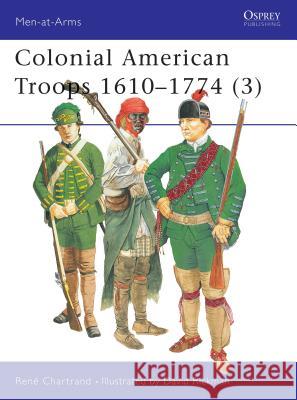
From the earliest English settlements the survival of the infant colonies in North America depended upon local militias. Before the mid-18th century royal troops were seldom shipped out from Britain, and the main burden of successive wars with the American Indians, and with Britain's colonial rivals France and Spain, fell upon locally raised units, which also fought alongside the Crown forces during the major operations of the French-Indian War of the 1750s. This final book of a fascinating three-part study covers the militias and provincial troops raised in the Carolinas, Pennsylvania,...
From the earliest English settlements the survival of the infant colonies in North America depended upon local militias. Before the mid-18th century r...
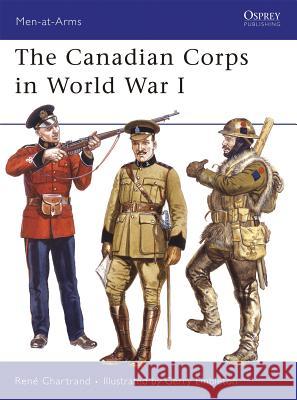
In 1914 with a regular army of only 3,110 men Canada was ill-prepared to enter World War I (1914-1918). Yet, in a display of incredible unanimity thousands of young Canadians volunteered to fight for the Allied cause. Ultimately the Canadian contribution was the most important non-British contingent within the vast Allied armies with a total of nearly 700,000 Canadians in uniform. For a nation of only 8 million people this was a remarkable war effort and nearly one of every ten who fought in the war did not return. The Canadians served in all the major conflicts on the Western Front; they...
In 1914 with a regular army of only 3,110 men Canada was ill-prepared to enter World War I (1914-1918). Yet, in a display of incredible unanimity t...
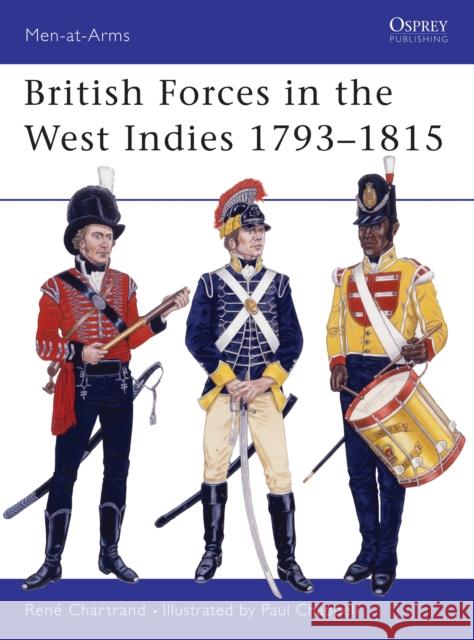
Two centuries ago, the West Indies were a booming set of islands where vast fortunes were made. By the late 1790s, the West Indies attracted four-fifths of British overseas capital investments and provided over one-eight of the government's 31.5 million total net revenue to the Treasury. These figures explain the tremendous numbers of naval and military forces deployed to protect these valuable Caribbean territories during the French Revolutionary Wars (1792-1802) and beyond. This fascinating volume by Rene Chartrand examines these forces, including a wealth of illustrations and photographs...
Two centuries ago, the West Indies were a booming set of islands where vast fortunes were made. By the late 1790s, the West Indies attracted four-fift...
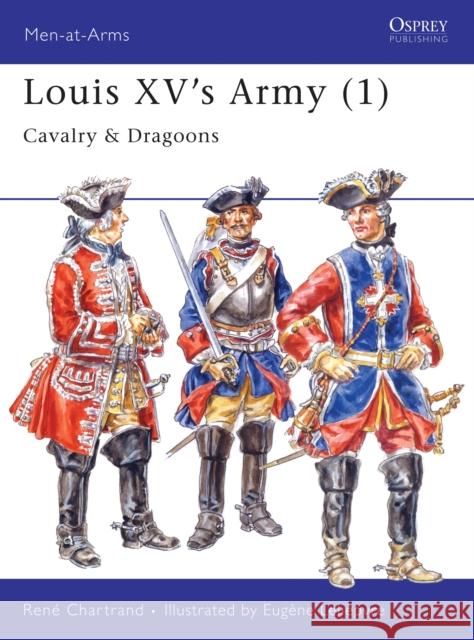
France had a population of between 22 and 25 million at this time, and maintained the largest standing army in Europe. In peacetime it might have amounted to about 200,000 men; in times of war, it could be anything up to half a million. A substantial part of Louis XV's army consisted of numerous regiments of guard cavalry, heavy cavalry and dragoon regiments, which were considered the best and noblest part. These many units form the subject matter in this first of five fascinating volumes Men-at-Arms 296, 302, 304, 308 & 313] by Rene Chartrand covering the army of Louis XV's."
France had a population of between 22 and 25 million at this time, and maintained the largest standing army in Europe. In peacetime it might have amou...
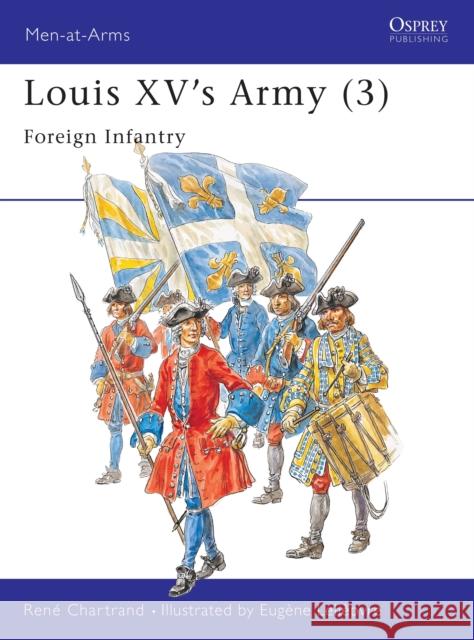
On account of long-standing tradition as well as sheer numbers, the importance of foreign regiments in the French army had become considerable by the time of Louis XV. Since the Middle Ages, the rulers of France had called upon mercenaries from various neighbouring nations to form units which were often among the finest in the army. In this third of five volumes covering the army of Louis XV Men-at-Arms 296, 302, 304, 308 & 313], Rene Chartrand examines the organisation and uniforms of the foreign infantry and artillery troops in a text containing a wealth of illustrations including eight...
On account of long-standing tradition as well as sheer numbers, the importance of foreign regiments in the French army had become considerable by the ...
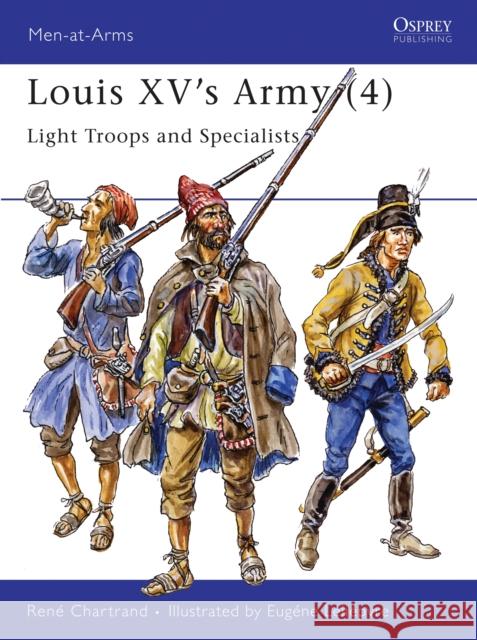
The emergence of light troops at the time of Louis XV's reign (1715-1774) is a sign of the search for better intelligence of the enemy and rapid tactical moves on battlefields. This fourth instalment of Rene Chartrand's review of Louis XV's army reveals an extraordinary variety of units, most now long forgotten, who had a dazzling assortment of uniforms, equipment and weapons, as is revealed by this interesting text and its numerous accompanying illustrations, which include eight full page colour plates by Eugene Leliepvre."
The emergence of light troops at the time of Louis XV's reign (1715-1774) is a sign of the search for better intelligence of the enemy and rapid tacti...