Until now, the story of Narciso Lopez's daring invasions of Cuba has remained one of the great lost sagas of American history. Wildly famous during the mid-nineteenth century as the leader of a filibuster, a clandestine army, Lopez led the first armed challenge to Spain's long domination over Cuba. While U.S. historians have tended to view Lopez as an agent of pre-Civil War southern expansionism, Tom Chaffin reveals a broader, more complicated picture. Although many southerners did assist Lopez, the web of intrigue that sustained his conspiracy also included New York City, steamship...
Until now, the story of Narciso Lopez's daring invasions of Cuba has remained one of the great lost sagas of American history. Wildly famous during...
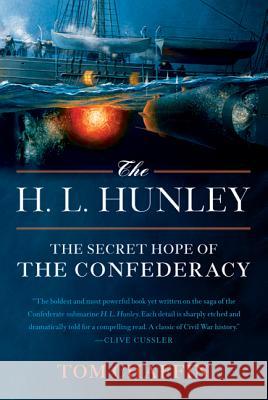
On the evening of February 17, 1864, the Confederacy's H. L. Hunley sank the Union's formidable sloop of war the USS Housatonic and became the first submarine in world history to sink an enemy ship. But after accomplishing such a feat, the Hunley and her crew of eight also vanished beneath the cold Atlantic waters off Charleston, South Carolina. For generations, the legend of the Hunley grew as searchers prowled the harbor, looking for remains. Even after the submarine was definitively located in 1995 and recovered five years later, those legends have continued...
On the evening of February 17, 1864, the Confederacy's H. L. Hunley sank the Union's formidable sloop of war the USS Housatonic and b...
Volume 12 of the "Correspondence of James K. Polk" documents a critical seven months in one of America s most transformational presidencies. Polk was the eleventh U.S. president (1845 49). Many of this volume s letters chronicle the Tennessean s prosecution of the Mexican War, a conflict that, along with his 1846 acquisition of what is today s Pacific Northwest, increased by one-third the size of the United States. The letters, most of them until now unpublished, also lift the veil on the personal life and business affairs of one of the most private men ever to occupy the presidency. ...
Volume 12 of the "Correspondence of James K. Polk" documents a critical seven months in one of America s most transformational presidencies. Polk was ...
"The most eloquent, understanding, and yet very candid biography of Fremont that has appeared to date"--Howard R. Lamar, Yale University
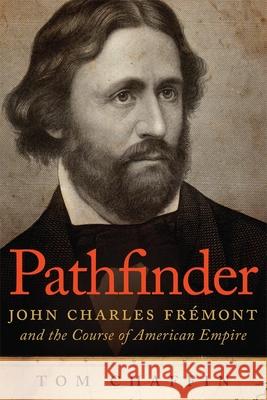
The career of John Charles Fremont (1813-90) ties together the full breadth of American expansionism from its eighteenth-century origins through its culmination in the Gilded Age. Tom Chaffin's biography demonstrates Fremont's vital importance to the history of American empire, and illuminates his role in shattering long-held myths about the ecology and habitability of the American West.
As the most celebrated American explorer...
"The most eloquent, understanding, and yet very candid biography of Fremont that has appeared to date"--Howard R. Lamar, Yale University <...
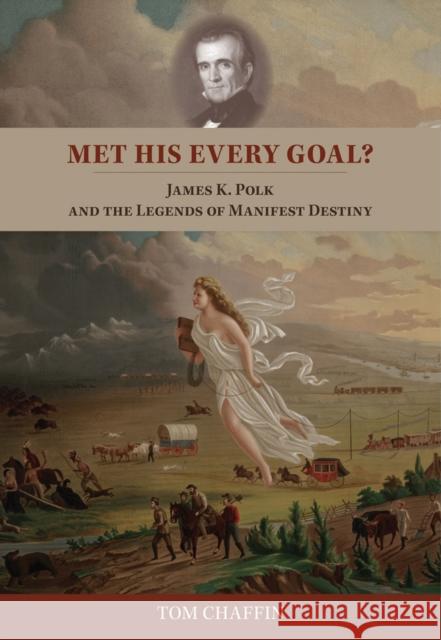
Soon after winning the presidency in 1845, according to the oft-repeated anecdote, James K. Polk slapped his thigh and predicted what would be the ""four great measures"" of his administration: the acquisition of some or all of the Oregon Country, the acquisition of California, a reduction in tariffs, and the establishment of a permanent independent treasury. Over the next four years, the Tennessee Democrat achieved all four goals. And those milestones--along with his purported enunciation of them--have come to define his presidency. Indeed, repeated ad infinitum in U.S. history textbooks,...
Soon after winning the presidency in 1845, according to the oft-repeated anecdote, James K. Polk slapped his thigh and predicted what would be the ""f...
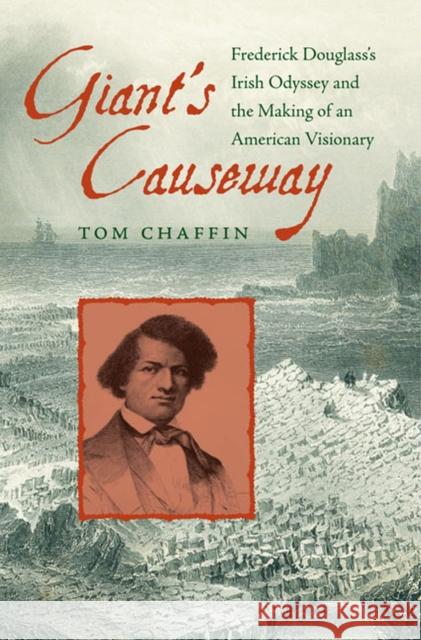
In 1845, seven years after fleeing bondage in Maryland, Frederick Douglass was in his late twenties and already a celebrated lecturer across the northern United States. The recent publication of his groundbreaking Narrative of the Life of Frederick Douglass, an American Slave had incited threats to his life, however, and to place himself out of harm's way he embarked on a lecture tour of the British Isles, a journey that would span seventeen months and change him as a man and a leader in the struggle for equality.
In the first major narrative account of a transformational...
In 1845, seven years after fleeing bondage in Maryland, Frederick Douglass was in his late twenties and already a celebrated lecturer across the no...
In 1845, seven years after fleeing bondage in Maryland, Frederick Douglass was in his late twenties and already a celebrated lecturer across the northern United States. The recent publication of his groundbreaking Narrative of the Life of Frederick Douglass, an American Slave had incited threats to his life, however, and to place himself out of harm's way he embarked on a lecture tour of the British Isles, a journey that would span seventeen months and change him as a man and a leader in the struggle for equality.
In the first major narrative account of a transformational...
In 1845, seven years after fleeing bondage in Maryland, Frederick Douglass was in his late twenties and already a celebrated lecturer across the no...