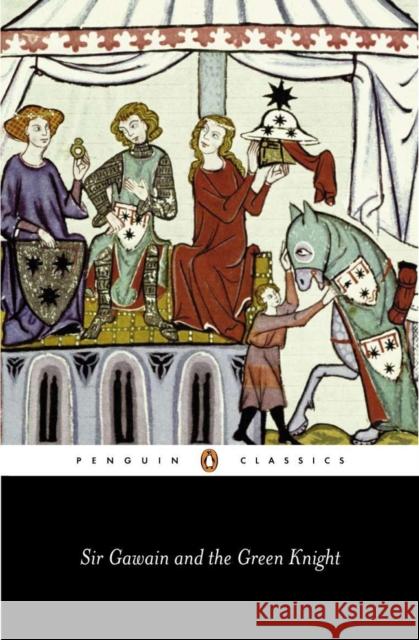
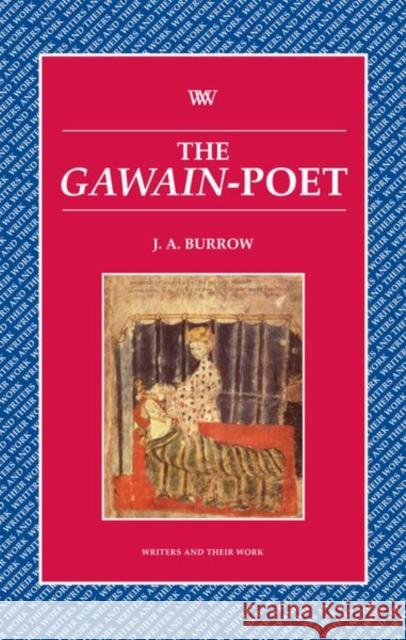
A classic of early English literature, by an anonymous poet from the time of Chaucer Although the date of Sir Gawain and the Green Knight is uncertain, and we know nothing about the author, its composition is roughly contemporary with Chaucer's The Canterbury Tales in the latter part of the fourteenth century. It is a remarkably subtle and accomplished poem, in which the hero's knightly virtues of courage, courtesy and fidelity are put to the test in a strange adventure involving a huge green knight on a green horse, a winter journey, a lady in a mysterious castle...
A classic of early English literature, by an anonymous poet from the time of Chaucer Although the date of Sir Gawain and the Green Knig...
The facsimile reproduces three manuscripts containing all of Thomas Hoccleve's known poetry except his Regiment of Princes (of which no autograph copy survives). It gives a rare opportunity to read the writings of a medieval English poet in copies made by the poet himself.
The facsimile reproduces three manuscripts containing all of Thomas Hoccleve's known poetry except his Regiment of Princes (of which no autograph copy...
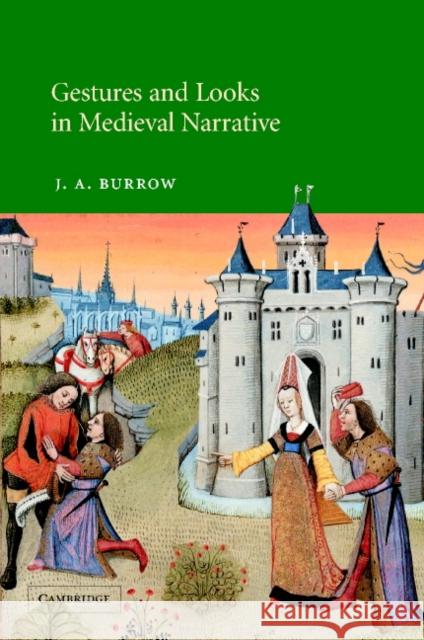
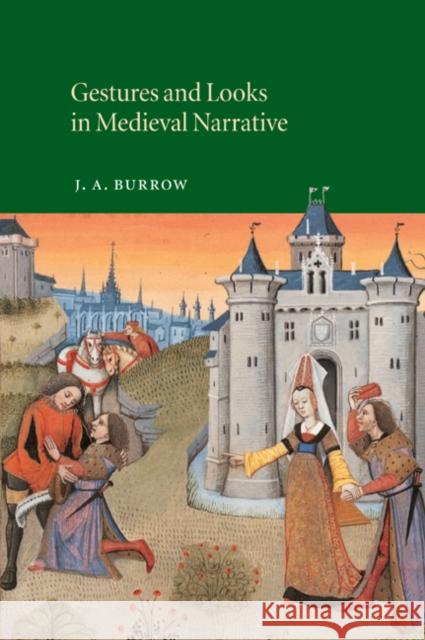
Gestures and looks played an even more important role in public and private exchanges of medieval society, than they do today. Gestures meant more than words, for example, in ceremonies of homage and fealty. In this compelling study, medievalist Burrow examines the role of non-verbal communication in a range of narrative texts, including Chaucer's Troilus and Criseyde, the anonymous Sir Gawain and the Green Knight, Malory's Morte D'arthur, the romances of Chretien de Troyes, the prose Lancelot, Boccaccio's Il Filostrato, and Dante's Commedia.
Gestures and looks played an even more important role in public and private exchanges of medieval society, than they do today. Gestures meant more tha...
A series of innovative critical studies introducing writers and their contexts to a wide range of readers. Drawing upon the most recent thinking in English studies, each book considers biographical material, examines recent criticism, includes a detailed bibliography, and offers a concise but challenging reappraisal of a writer's major work.
A series of innovative critical studies introducing writers and their contexts to a wide range of readers. Drawing upon the most recent thinking in En...
Thomas Hoccleve's Series, written c.1420 was edited for EETS in 1892. This is a new edition of the first two sections and glosses the poems more fully than before. The introduction presents new findings about Hoccleve, whose poems have attracted much attention in recent years.
Thomas Hoccleve's Series, written c.1420 was edited for EETS in 1892. This is a new edition of the first two sections and glosses the poems more fully...
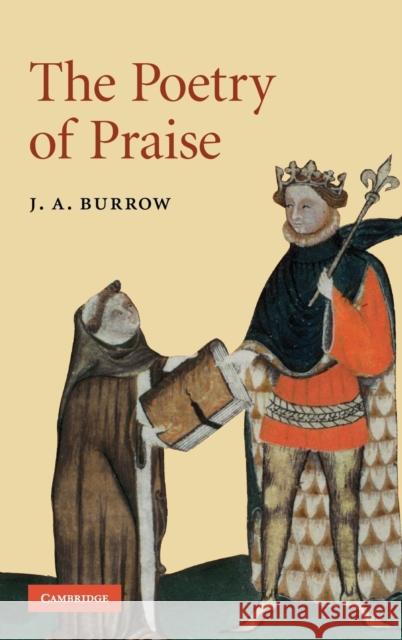
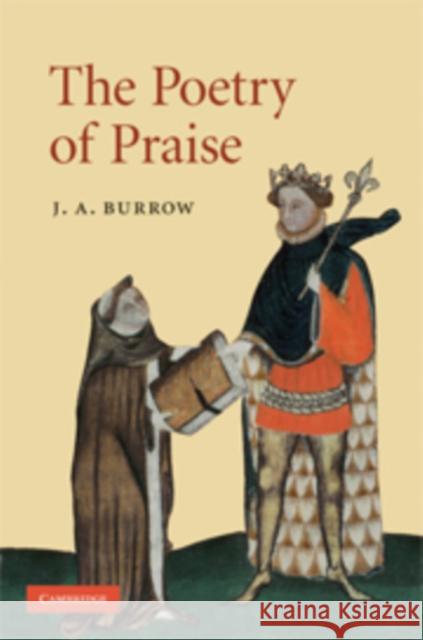
One of the chief functions of poetry in Antiquity, the Middle Ages and the Renaissance was to praise gods, people and things. Heroes and kings were glorified in many varieties of praise, and the arts of encomium and panegyric were codified by classical rhetoricians and later by writers on poetry. J. A. Burrow's study spans over two thousand years, from Pindar to Christopher Logue, but its main concern is with the English poetry of the Middle Ages, a period when praise poetry flourished. He argues that the 'decline of praise' in English literature since the seventeenth century, which has meant...
One of the chief functions of poetry in Antiquity, the Middle Ages and the Renaissance was to praise gods, people and things. Heroes and kings were gl...