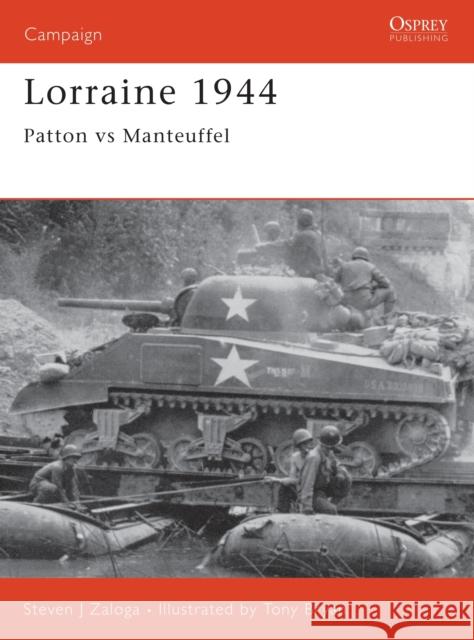
Osprey's examination of the confrontation between the US Army and German forces in Lorraine during World War II (1939-1945). In the wake of the defeat in Normandy in the summer of 1944, Hitler planned to stymie the Allied advance by cutting off Patton's Third Army in the Lorraine with a great Panzer offensive. But Patton's aggressive tactics continued to thwart German plans and led to a series of violent armored battles. The battle-hardened Wehrmacht confronted the better-equipped and better-trained US Army. The Germans managed to re-establish a fragile defensive line but could not stop the...
Osprey's examination of the confrontation between the US Army and German forces in Lorraine during World War II (1939-1945). In the wake of the defeat...
Because of the length of the coastline of the United States, from the beginning American ordnance and engineers placed an emphasis on heavy artillery mounted in coastal defences. The Union army organised its 'Heavy Artillery' into separate regiments, uniformed and equipped differently. While the Field Artillery was assigned across the fighting fronts Heavy Artillery units served the big guns in the forts and the defences of Washington. The Confederates did not differentiate types of artillery and those that became known as Heavy Artillery did so through informal association rather than formal...
Because of the length of the coastline of the United States, from the beginning American ordnance and engineers placed an emphasis on heavy artillery ...
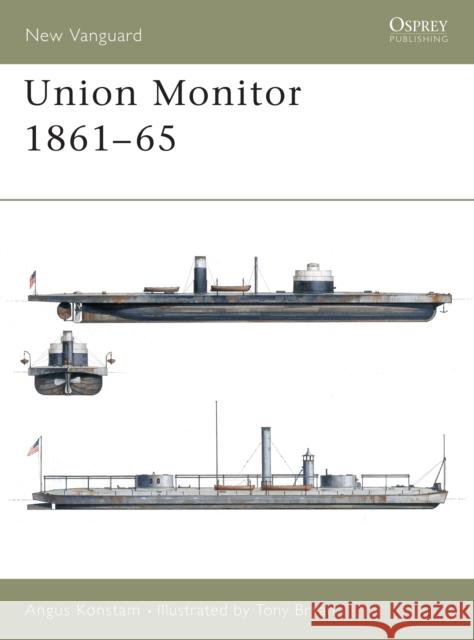
The first seagoing ironclad was the USS Monitor, and its profile has made it one of the most easily recognised warships of all time. Following her inconclusive battle with the Confederate ironclad Virginia on March 9, 1862, the production of Union monitors was accelerated. By the end of the year a powerful squadron of monitor vessels protected the blockading squadrons off the Southern coastline, and were able to challenge Confederate control of her ports and estuaries. Further technological advancements were included in subsequent monitor designs, and by the end of the war the US Navy...
The first seagoing ironclad was the USS Monitor, and its profile has made it one of the most easily recognised warships of all time. Following her inc...
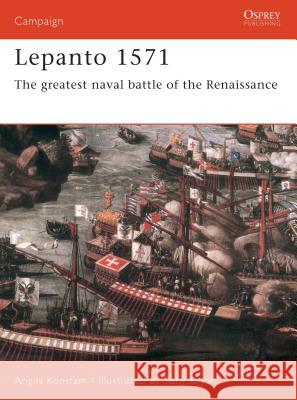
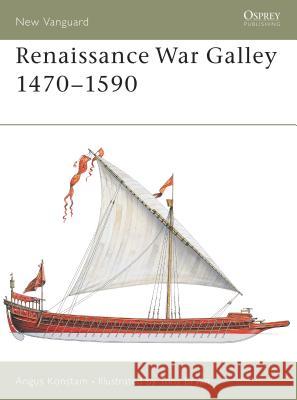
This Osprey title details the course of one of the most crucial military campaigns of the Renaissance.For much of the 16th century the Mediterranean was a battleground between Christians and Muslims. A decisive battle between two large galley fleets was expected to decide the fate of the entire Mediterranean basin. In August 1571, an Ottoman fleet of some 235 galleys encountered the slightly smaller Christian fleet of the Holy League. In a five hour melee the Christians inflicted a decisive defeat on the Turks. Lepanto was the last great galley fight of all time and one of the most decisive...
This Osprey title details the course of one of the most crucial military campaigns of the Renaissance.For much of the 16th century the Mediterranean w...
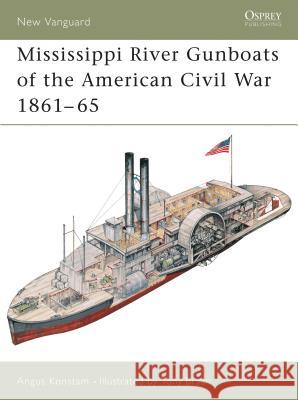
At the start of the American Civil War, neither side had warships on the Mississippi River and in the first few months both sides scrambled to gather a flotilla, converting existing riverboats for naval use. These ships were transformed into powerful naval weapons despite a lack of resources, trained manpower and suitable vessels. The creation of a river fleet was a miracle of ingenuity, improvisation and logistics, particularly for the South. This title describes their design, development and operation throughout the American Civil War.
At the start of the American Civil War, neither side had warships on the Mississippi River and in the first few months both sides scrambled to gather ...
For most of the Renaissance period, naval warfare in the Mediterranean was dominated by the war galley, a unique naval vessel for a momentous age. During the struggle for supremacy between Christian and Muslim powers, war galleys formed the backbone of the rival battlefleets. Different regions of the Mediterranean produced their own versions of the war galley, thereby producing a number of variants on the basic design tailored to the needs and resources of particular nations. This book examines the development of the war galley from its classically inspired resurrection in the 15th century...
For most of the Renaissance period, naval warfare in the Mediterranean was dominated by the war galley, a unique naval vessel for a momentous age. Dur...
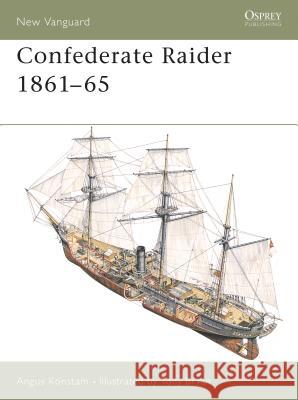
The Confederate states adopted radical solutions to counter the naval superiority of their opponents. One of the more successful solutions they adopted was the use of commerce raiders. This book describes the reasons which forced the Confederates to resort to commerce raiding, and outlines the way in which these craft were converted or specially built to perform their role. It details not only the way these craft were operated and manned, but also their brutal attacks, daring escapes and climatic battles against the large numbers of Union warships forced to hunt them down.
The Confederate states adopted radical solutions to counter the naval superiority of their opponents. One of the more successful solutions they adopte...
Over the last two decades, the Israel Defence Force (IDF) has introduced a variety of new AFVs. Old models such as the M48 and M60 have been improved beyond recognition, in the form of the Magach 7. The performance of Israel's indigenous Merkava tank has been similarly enhanced with new variants and the new Merkava 4 MBT has recently entered service. Israeli infantry have also received machines such as the Achzarit assault carrier, the Puma combat engineer vehicle and the Nagmachon and Nakpadon (tank-based carriers intended for low intensity conflicts). This book examines the design,...
Over the last two decades, the Israel Defence Force (IDF) has introduced a variety of new AFVs. Old models such as the M48 and M60 have been improved ...
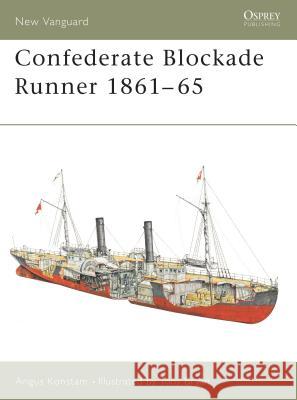
The lifeblood of the Confederacy, the blockade runners of the Civil War usually began life as regular fast steam-powered merchant ships. They were adapted for the high-speed dashes through the Union blockade which closed off all the major Southern ports, and for much of the war they brought much-needed food, clothing and weaponry to the Confederacy. This book traces their operational history, including the development of purpose-built blockade running ships, and examines their engines, crews and tactics. It describes their wartime exploits, demonstrating their operational and mechanical...
The lifeblood of the Confederacy, the blockade runners of the Civil War usually began life as regular fast steam-powered merchant ships. They were ...
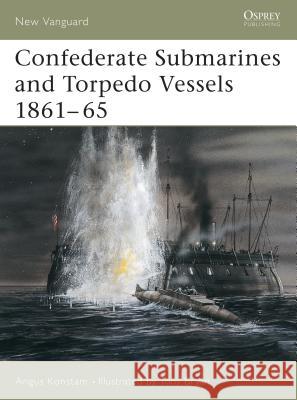
The primary Union strategy during the American Civil War was a massive naval blockade of the entire Southern coastline of the Confederacy, and it was in the effort to counter this blockade that the Confederates developed their first submarines and torpedo boats. This book traces the development of these new technologies, including the CSS 'Little David' and 'Hunley' - respectively the first torpedo boat and submarine to sink an enemy warship. The wreck of the 'Hunley' was raised in 2000, and this is the first book ever to integrate details of its recovery with an account of Confederate...
The primary Union strategy during the American Civil War was a massive naval blockade of the entire Southern coastline of the Confederacy, and it was ...