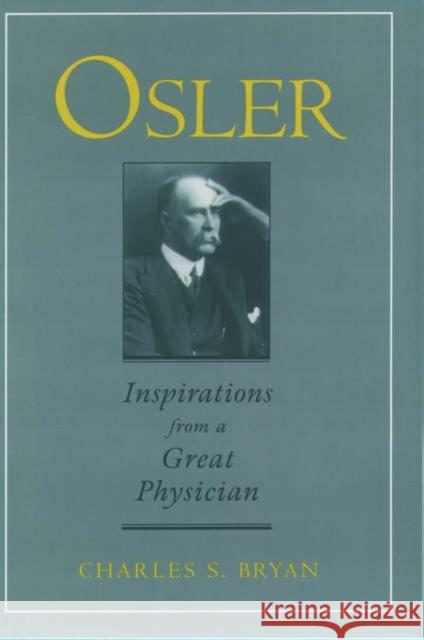
Sir William Osler (1849-1919), one of the world's most influential physicians at the turn of the twentieth century, remained popular long after his death largely due to his inspirational texts. Regretfully, changing times and literary tastes have lessened the impact of Osler's addresses despite the timelessness of his ideals and practical advice. Charles Bryan has successfully mended the disfavor in the present volume. Framing the great physician's message in contemporary, easily accessible terms, he allows modern readers to rediscover the immense appeal and pragmatism of Osler's invigorating...
Sir William Osler (1849-1919), one of the world's most influential physicians at the turn of the twentieth century, remained popular long after his de...
Theodore Brevard Hayne distinguished himself as a hero and martyr in the fight against yellow fever. Conducting research in West Africa on mosquitoes and monkeys, he was the last researcher to die from the disease. This biography draws on his letters and the diary of his superior in West Africa.
Theodore Brevard Hayne distinguished himself as a hero and martyr in the fight against yellow fever. Conducting research in West Africa on mosquitoes ...
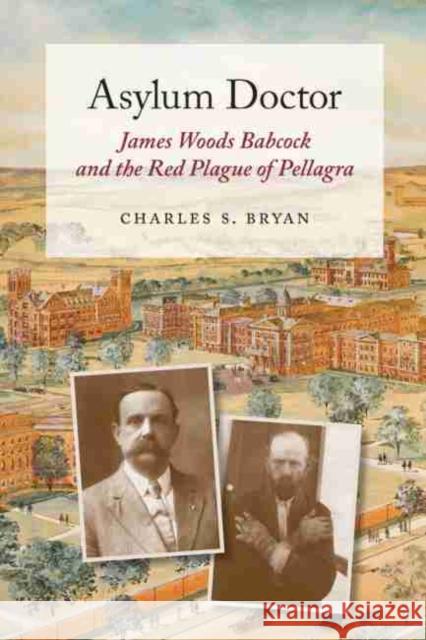
During the early twentieth century thousands of Americans died of pellagra before the cause--vitamin B3 deficiency--was identified. Credit for ending the scourge is usually given to Dr. Joseph Goldberger of the U.S. Public Health Service, who proved the case for dietary deficiency during 1914-1915 and spent the rest of his life combating those who refused to accept southern poverty as the root cause. Charles S. Bryan demonstrates that between 1907 and 1914 a patchwork coalition of American asylum superintendents, local health officials, and practicing physicians developed a competence in...
During the early twentieth century thousands of Americans died of pellagra before the cause--vitamin B3 deficiency--was identified. Credit for ending ...