American mass media are the world's most diverse, rich and free. But their dazzling resources, variety, and influence cannot be rated by the envy they arouse in other countries. Their failures are commonly excused on the grounds that they are creatures of the market, that they give people what they want. This book focusses not on the glories of the media, but on what is wrong with them and why, and how they may be made better. This powerful critique of American mass communications highlights four trends that together sound an urgent call for reform: the blurring of distinctions among...
American mass media are the world's most diverse, rich and free. But their dazzling resources, variety, and influence cannot be rated by the envy they...
American mass media are the world's most diverse, rich, and free. Their dazzling resources, variety, and influence arouse envy in other countries. Their failures are commonly excused on the grounds that they are creatures of the market, that they give people what they want. 'Commercial Culture' focuses not on the glories of the media, but on what is wrong with them and why, and how they may be made better. This powerful critique of American mass communication highlights four trends that sound an urgent call for reform: the blurring of distinctions among traditional media and between...
American mass media are the world's most diverse, rich, and free. Their dazzling resources, variety, and influence arouse envy in other countries. The...
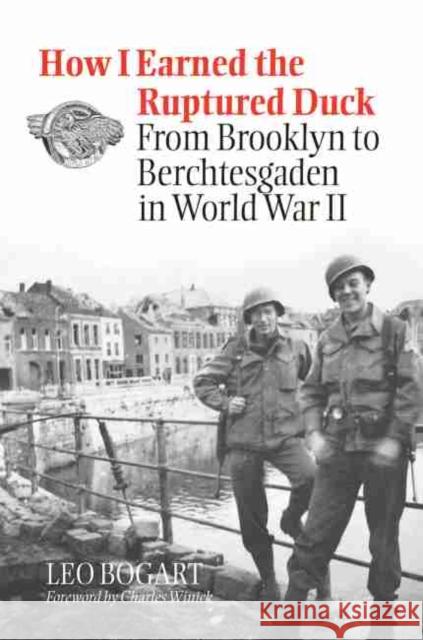
Twenty years old when he entered the army in 1942, Leo Bogart was one of sixteen million Americans who served with the armed forces during World War II. Over the next four years he, and perhaps the nation, came of age. In numerous letters home, he provided a glimpse into the mind of a young American intellectual whose wartime journey carried him from New York to Germany and from adolescence to experience of the world's complexities. As shown by the letters and the narrative that fills in the gaps between them, the war engaged him, as it did many others, long before he put on a uniform....
Twenty years old when he entered the army in 1942, Leo Bogart was one of sixteen million Americans who served with the armed forces during World War I...
The Newspaper Readership Project (1977-1983) was an unprecedented cooperative attempt by the American newspaper industry to halt the downward trend in readership and circulation. The Project had an enormous impact on American newspapers; it spurred such changes in their content as special sections and new graphics, and led to important innovations in distribution and promotion. Leo Bogart was a central figure in the conception and execution of the Project, so his account is truly an insider's view of the interplay of the Project and the people involved in it. Preserving the Press: How...
The Newspaper Readership Project (1977-1983) was an unprecedented cooperative attempt by the American newspaper industry to halt the downward trend in...
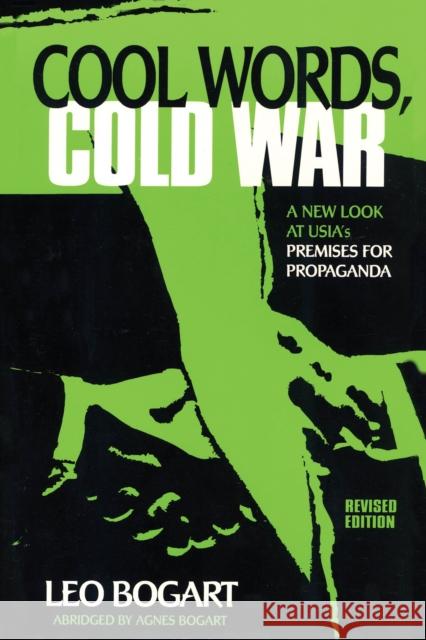
This reassessment of the Cold War premises of American Propaganda brings the original 1954 study up to date and places it into historical context. The book is a careful examination of the principles and beliefs that have guided American propaganda operations including the dilemmas that currently face American information policy. It summarizes an empirical study based on extensive interviews of the agency's executives and operatives that is updated by the new interviews reflected in this edition, and that helps USIA guide and plan its own research and improve its operations.
This reassessment of the Cold War premises of American Propaganda brings the original 1954 study up to date and places it into historical context. The...