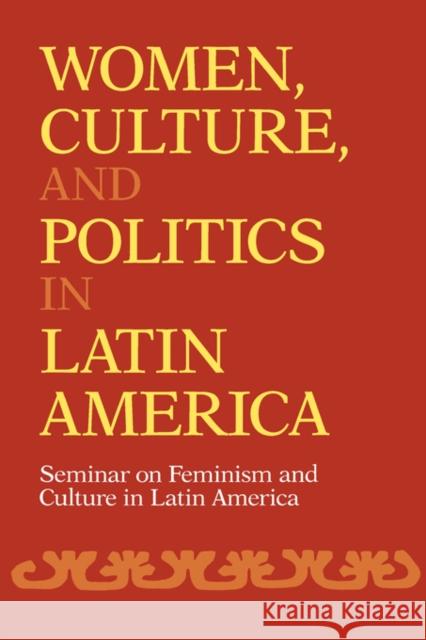
The result of a collaboration among eight women scholars, this collection examines the history of women's participation in literary, journalistic, educational, and political activity in Latin American history, with special attention to the first half of this century.
The result of a collaboration among eight women scholars, this collection examines the history of women's participation in literary, journalistic, edu...
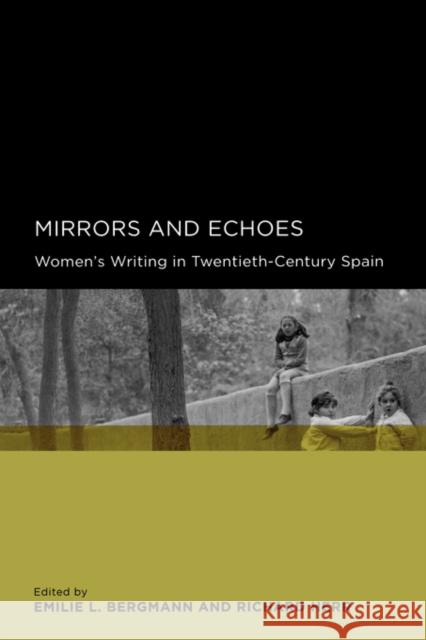
Throughout Spain's tumultuous twentieth century, women writers produced a dazzling variety of novels, popular theater, and poetry. Their work both reflected and helped to transform women's gender, family, and public roles, carving out new space in the literary canon. This multilingual collection of essays by both scholars and creative artists explores the diversity of Spanish women's writing, both celebrated and forgotten. Contributors: Nicole Altamirano, Marta E. Altisent, Emilie L. Bergmann, Alda Blanco, Sara Brenneis, Kathleen M. Glenn, P. Louise Johnson, Jo Labanyi, Geraldine...
Throughout Spain's tumultuous twentieth century, women writers produced a dazzling variety of novels, popular theater, and poetry. Their work both ref...
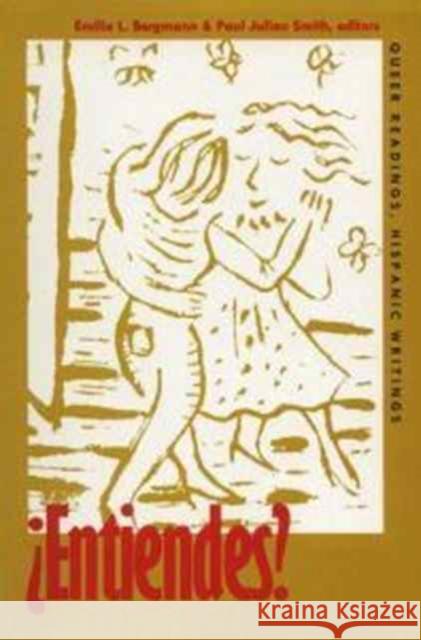
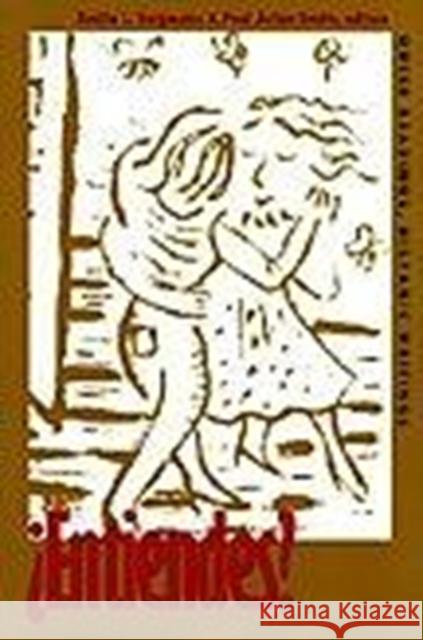
" Entiendes?" is literally translated as "Do you understand? Do you get it?" But those who do "get it" will also hear within this question a subtler meaning: "Are you queer? Are you one of us?" The issues of gay and lesbian identity represented by this question are explored for the first time in the context of Spanish and Hispanic literature in this groundbreaking anthology. Combining intimate knowledge of Spanish-speaking cultures with contemporary queer theory, these essays address texts that share both a common language and a concern with lesbian, gay, and bisexual identities. Using a...
" Entiendes?" is literally translated as "Do you understand? Do you get it?" But those who do "get it" will also hear within this question a subtler m...
Sor Juana Ines de la Cruz--a witty, intellectually formidable, and prolific author--stands as an icon of women's early writing and of colonial New Spain. Living in the capital city of seventeenth-century Mexico, she was located in the center of her world, but, as a self-taught, illegitimate, Creole woman and as a nun subject to the authority of male religious leaders, she was also socially marginal within that world. Like other early modern women she took up the pen to challenge gendered norms of the time. In style and content her works, which draw on baroque stylistics, classical...
Sor Juana Ines de la Cruz--a witty, intellectually formidable, and prolific author--stands as an icon of women's early writing and of colonial New ...
" Entiendes?" is literally translated as "Do you understand? Do you get it?" But those who do "get it" will also hear within this question a subtler meaning: "Are you queer? Are you one of us?" The issues of gay and lesbian identity represented by this question are explored for the first time in the context of Spanish and Hispanic literature in this groundbreaking anthology. Combining intimate knowledge of Spanish-speaking cultures with contemporary queer theory, these essays address texts that share both a common language and a concern with lesbian, gay, and bisexual identities. Using a...
" Entiendes?" is literally translated as "Do you understand? Do you get it?" But those who do "get it" will also hear within this question a subtler m...