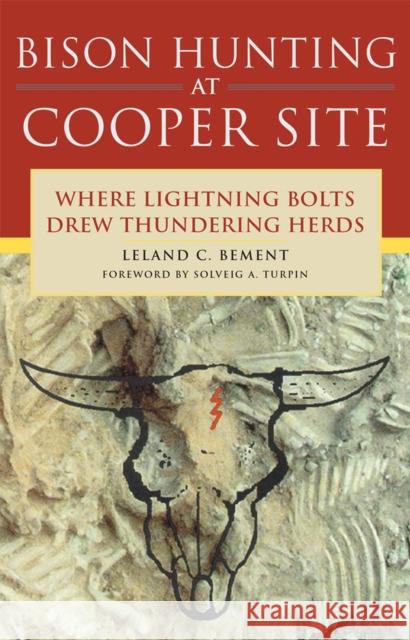
Almost seventy years ago the first Folsom projectile point found in association with ancient bison bones in northern New Mexico demonstrated that Paleoindian people were in the New World as long ago as the end of the last ice age. To this day intact deposits containing Folsom points are rare, yet these points, with their distinctive channel flakes and exquisite craftsmanship, remain the best identifier of the culture. The Cooper site, discovered in 1992 in northwestern Oklahoma, is among the largest Folsom-age kill sites in the southern plains. Including extraordinarily well-preserved...
Almost seventy years ago the first Folsom projectile point found in association with ancient bison bones in northern New Mexico demonstrated that P...
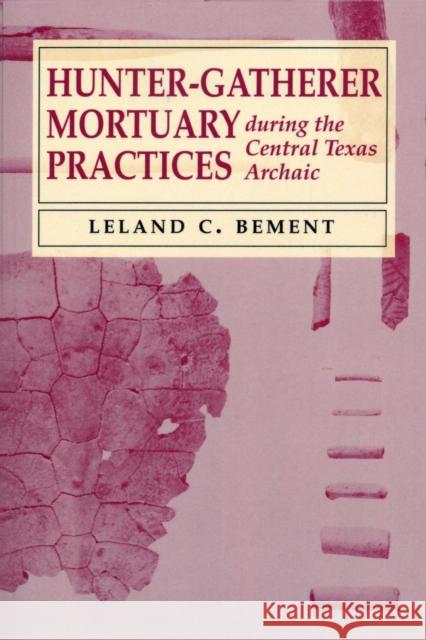
Beginning over 10,000 years ago and continuing until the arrival of the Spanish in the 1500s, hunter and gatherer societies occupied the Edwards Plateau of central Texas. Archaeological studies over the past eighty years have reconstructed their subsistence, technology, and settlement patterns, but until now little information has been available on their burial practices, due to the scarcity of known burial sites. This detailed archaeological report describes the human skeletal remains, burial furnishings, and fauna recovered from Bering Sinkhole in Kerr County, the first carefully...
Beginning over 10,000 years ago and continuing until the arrival of the Spanish in the 1500s, hunter and gatherer societies occupied the Edwards Pl...