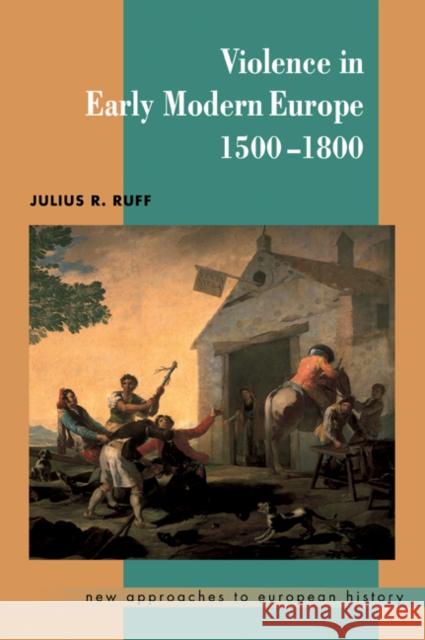
This book offers a broad-ranging survey of violence in western Europe from the Reformation to the French Revolution. Julius Ruff summarizes a huge body of research and provides readers with a clear, accessible, and engaging introduction to the topic of violence in early modern Europe. Ruff examines the role of the emerging state in controlling violence; the roots and forms of interpersonal violence; violence and its impact on women; infanticide; and rioting. His book will be of great value to students of European history, criminal justice sciences, and anthropology.
This book offers a broad-ranging survey of violence in western Europe from the Reformation to the French Revolution. Julius Ruff summarizes a huge bod...
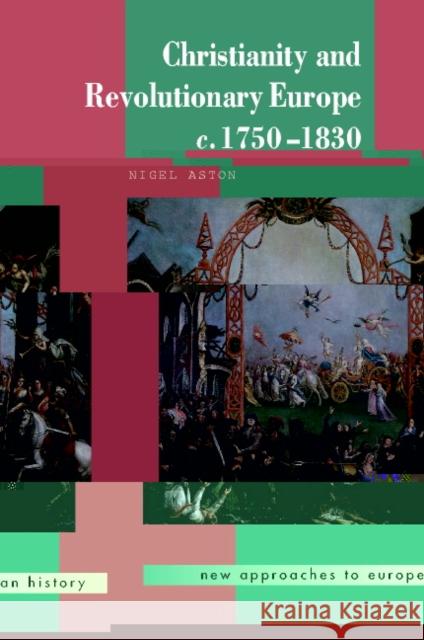
This new introduction to religious history reviews the events of the turbulent period of the French Revolution. It is an accessible summary of key developments in the confrontation between the Churches and the Enlightenment. The text is supplemented by illuminating illustrations, maps and a glossary.
This new introduction to religious history reviews the events of the turbulent period of the French Revolution. It is an accessible summary of key dev...
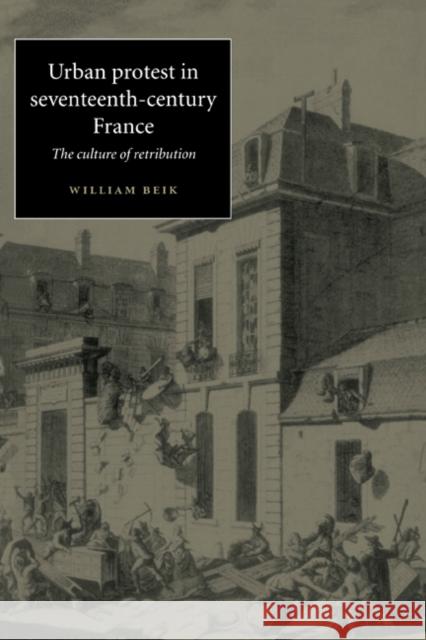
This lucid and wide-ranging survey is the first comparative study in English to explore popular uprisings in the cities of seventeenth-century France. Through close analysis of eyewitness narratives from protesters and authorities in more than fifteen cities, William Beik examines the complex social interaction between angry crowds and hard-pressed authorities. He adds a completely new chapter to the history of the crowd and traces the difficult and fragile connections between elite and popular culture in early modern France.
This lucid and wide-ranging survey is the first comparative study in English to explore popular uprisings in the cities of seventeenth-century France....
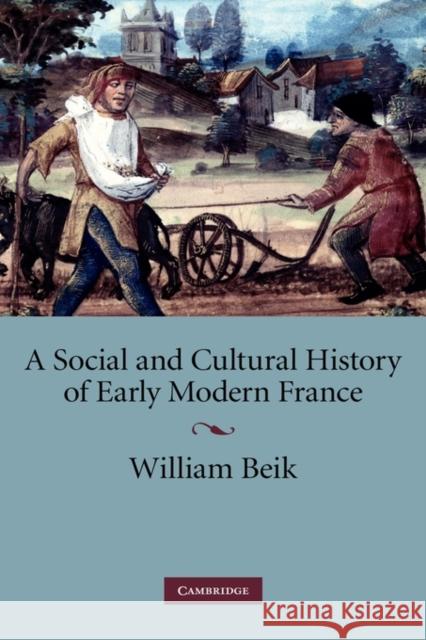
A magisterial history of French society between the end of the middle ages and the Revolution by one of the world's leading authorities on early modern France. Using colorful examples and incorporating the latest scholarship, William Beik conveys the distinctiveness of early modern society and identifies the cultural practices that defined the lives of people at all levels of society. Painting a vivid picture of the realities of everyday life, he reveals how society functioned and how the different classes interacted. In addition to chapters on nobles, peasants, city people, and the court,...
A magisterial history of French society between the end of the middle ages and the Revolution by one of the world's leading authorities on early moder...