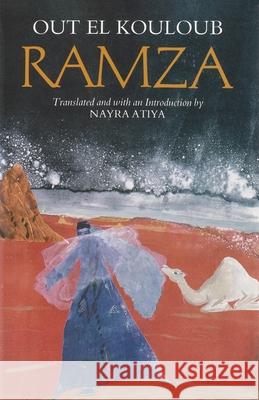
This novel of the harem, originally published in 1958, is a dramatisation of a piece of Egyptian feminine and feminist history. Set at the turn of the century, when Egyptian women were struggling to come forward, it tells the story of life behind the veil and of one woman's rebellion against it.
This novel of the harem, originally published in 1958, is a dramatisation of a piece of Egyptian feminine and feminist history. Set at the turn of the...
As I was coming up, it was painful to me not to have been given my own nickname. It made me feel different, or rather that I was being treated differently from other family members. I wondered why everybody else was spoken to in terms of their identity, their character, their behavior, and I was simply identified by the 'tag, ' my given name. But then, when I read in a book that France meant free, I began to think of it as imbuing me with a sense of flight, of movement. Ultimately, I came to believe my name spoke for itself and that I did not need any other.' from the book
Imbued with...
As I was coming up, it was painful to me not to have been given my own nickname. It made me feel different, or rather that I was being treated diff...
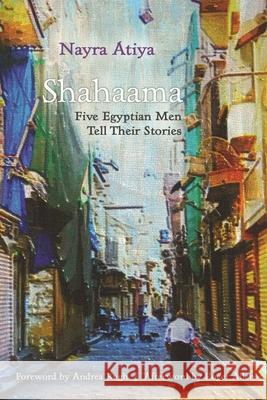
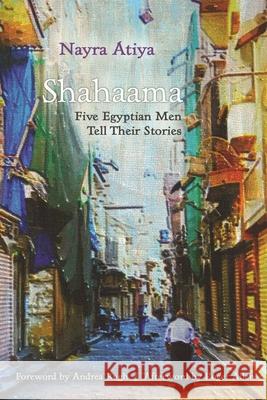
Between the late 1970s and the early 1980s, Nayra Atiya gathered the oral histories of five Egyptian men: a fisherman, an attorney, a scholar, a business- man, and a production manager. Through personal interviews over the course of several years, Atiya intimately captured the everyday triumphs and struggles of these young men in a rapidly changing Egyptian society. These tender stories of childhood experiences in the rural countryside, of the rigors of schooling, and of the many challenges in navigating adulthood shed light on both the rich diversity of Egyptian society and the values and...
Between the late 1970s and the early 1980s, Nayra Atiya gathered the oral histories of five Egyptian men: a fisherman, an attorney, a scholar, a busin...
Between the late 1970s and the early 1980s, Nayra Atiya gathered the oral histories of five Egyptian men: a fisherman, an attorney, a scholar, a business- man, and a production manager. Through personal interviews over the course of several years, Atiya intimately captured the everyday triumphs and struggles of these young men in a rapidly changing Egyptian society. These tender stories of childhood experiences in the rural countryside, of the rigors of schooling, and of the many challenges in navigating adulthood shed light on both the rich diversity of Egyptian society and the values and...
Between the late 1970s and the early 1980s, Nayra Atiya gathered the oral histories of five Egyptian men: a fisherman, an attorney, a scholar, a busin...