Mercenaries have been employed as auxiliaries since early times, but in the post-1945 world they have operated, almost exclusively, in weak Third World countries. From Columbia to the Congo, Angola to Papua New Guinea, Cambodia to Nicaragua, they have appeared: training the drug cartel armies, assisting rebellions or civil wars, acting as the agents of the major powers. In the Congo crisis (1960-1965) they earned an especially unsavory reputation for greed, brutality and racism; it is a reputation that has stuck to the mercenary and on the whole justly. During the 1990s a new phenomenon has...
Mercenaries have been employed as auxiliaries since early times, but in the post-1945 world they have operated, almost exclusively, in weak Third Worl...
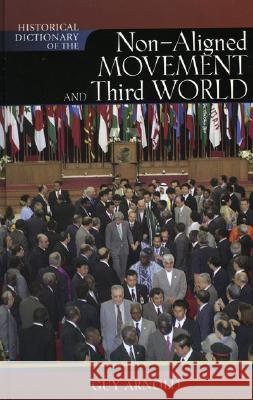
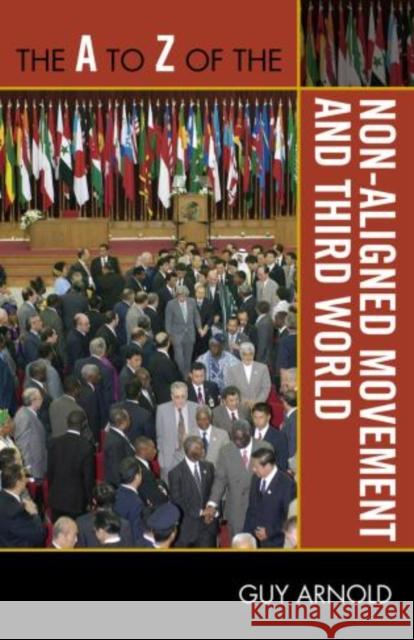
During the long period when the world was divided between East and West and the Cold War threatened to turn hot with devastating consequences, the Non-Aligned Movement was one of the few institutions that consistently sought other outcomes not in its own interest, but that of all humanity. Consisting of over 100 states that are free of any formal alliances with any major power bloc, the Non-Aligned Movement provides aid to those countries striving to gain independence, eliminate poverty, and develop their economy. Just what the Non-Aligned Movement and Third World sought--and at times...
During the long period when the world was divided between East and West and the Cold War threatened to turn hot with devastating consequences, the Non...
This is a survey of those countries that are considered to belong to the Third World or less developed countries, those that the World Bank classifies as low- or middle-income economies. The book analyzes the contribution that possession of resources makes to economic development. Guy Arnold defines resources in broad terms - not only the traditionally analyzed resources of agricultural and mineral wealth but also the less well studied resources of infrastructure and, especially, population, and the talents, education, and training of that population. In Part I, Arnold examines these...
This is a survey of those countries that are considered to belong to the Third World or less developed countries, those that the World Bank classifies...
An examination of approximately 50 of the most important strategic highways in the world. These highways may take the form of roads, railways, rivers and canals, or air and sea routes. They have one thing in common: they are of special significance because, throughout history, they have acted as major trade routes for a number of countries; have military or strategic significance; act to bind a country or countries together; or, in the case of rivers, act as boundaries or borders between two or more countries. They include the Suez and Panama canals, the Rhine and Amazon rivers, the Trans-USA...
An examination of approximately 50 of the most important strategic highways in the world. These highways may take the form of roads, railways, rivers ...
This guide is intended to show how inter-African relations work. There are many continental institutions that between them create a framework within which African states can solve their problems and assist one another with regional economic development, peacekeeping, or political cooperation. The guide provides an historical setting for the institutions that are examined and also gives examples of how they operate in practice.
This guide is intended to show how inter-African relations work. There are many continental institutions that between them create a framework within w...
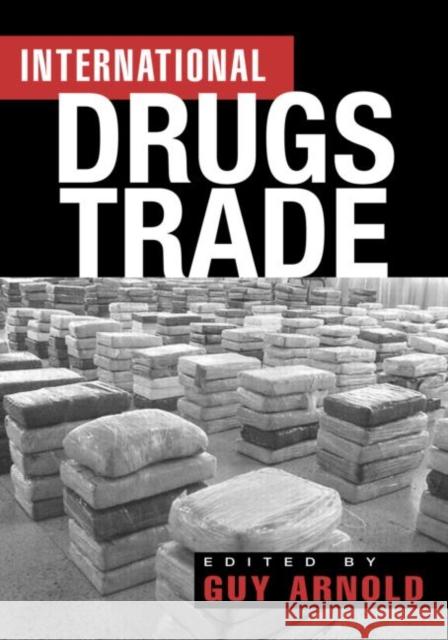
Examines the abuse of drugs in the West and the scope and value of the illegal drugs business, and the failure of the drug enforcement programmes either to curtail the supply of drugs or to persuade users to abandon their habit.
Examines the abuse of drugs in the West and the scope and value of the illegal drugs business, and the failure of the drug enforcement programmes eith...
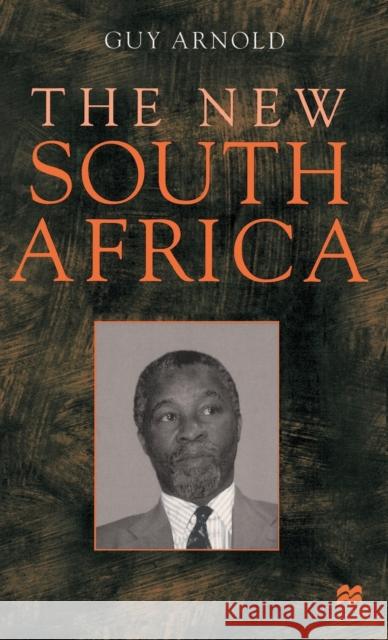
The orderly transfer of power from the white minority to the black majority in South Africa was something of a political miracle. The tasks facing the new government of Thabo Mbeki are formidable. If Mbeki can succeed in giving his country and the African continent the necessary lead the rewards will be tremendous both for South Africa itself and for the continent. If there is to be an African renaissance the lead must come from South Africa.
The orderly transfer of power from the white minority to the black majority in South Africa was something of a political miracle. The tasks facing the...
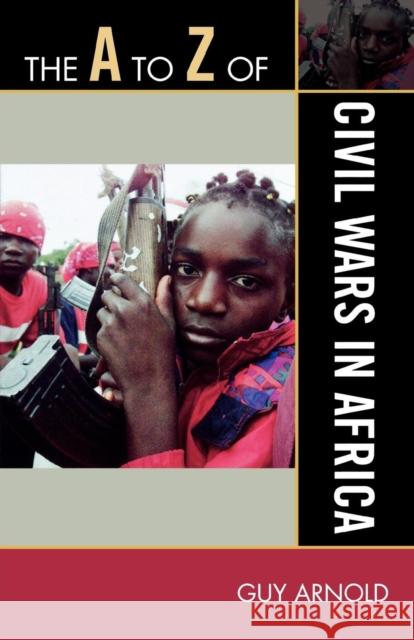
Ever since the end of World War II, and even more so since 1960, when 17 African colonies became independent of colonial rule, the African continent has been ravaged by a series of wars. These wars have ranged from liberation struggles against former colonial powers to power struggles between different factions in the aftermath of independence. They have ranged from border wars between newly independent states to civil wars between ethnic groups. As with many conflicts, outside forces were drawn into these wars, and major powers outside the continent intervened on one side or the other for a...
Ever since the end of World War II, and even more so since 1960, when 17 African colonies became independent of colonial rule, the African continent h...
During the long period when the world was divided between East and West and the Cold War threatened to turn hot with devastating consequences, the Non-Aligned Movement was one of the few institutions that consistently sought other outcomes not in its own interest, but that of all humanity. Consisting of over 100 states that are free of any formal alliances with any major power bloc, the Non-Aligned Movement provides aid to those countries striving to gain independence, eliminate poverty, and develop their economy. Just what the Non-Aligned Movement and Third World sought--and at times...
During the long period when the world was divided between East and West and the Cold War threatened to turn hot with devastating consequences, the Non...