If you've ever used the phrase "rags to riches," you owe that to Horatio Alger, Jr. (1832-1899), who popularized the idea through his fictional writings that also served as a theme for the way America viewed itself as a country. Even today, readers often come across Ragged Dick and stories like it in school.
If you've ever used the phrase "rags to riches," you owe that to Horatio Alger, Jr. (1832-1899), who popularized the idea through his fictional writin...
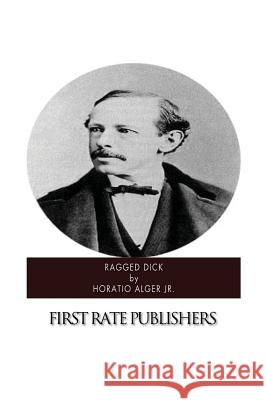
Horatio Alger Jr. was an American writer best known for his rags to riches novels. Alger Jr. also wrote a popular biography on James Garfield, the 20th president of the United States.
Horatio Alger Jr. was an American writer best known for his rags to riches novels. Alger Jr. also wrote a popular biography on James Garfield, the 20t...
THOUGH famine prevails not at all in the city; Though none of starvation have died in the street; Yet many there are now exciting our pity, Who're daily complaining of nothing to eat.
THOUGH famine prevails not at all in the city; Though none of starvation have died in the street; Yet many there are now exciting our pity, Who're dai...
If you've ever used the phrase "rags to riches," you owe that to Horatio Alger, Jr. (1832-1899), who popularized the idea through his fictional writings that also served as a theme for the way America viewed itself as a country. Alger's works about poor boys rising to better living conditions through hard work, determination, courage, honesty, and morals was popular with both adults and younger readers. Alger's writings happened to correspond with America's Gilded Age, a time of increasing prosperity in a nation rebuilding from the Civil War. His lifelong theme of rags to riches continued to...
If you've ever used the phrase "rags to riches," you owe that to Horatio Alger, Jr. (1832-1899), who popularized the idea through his fictional writin...
If you've ever used the phrase "rags to riches," you owe that to Horatio Alger, Jr. (1832-1899), who popularized the idea through his fictional writings that also served as a theme for the way America viewed itself as a country. Alger's works about poor boys rising to better living conditions through hard work, determination, courage, honesty, and morals was popular with both adults and younger readers. Alger's writings happened to correspond with America's Gilded Age, a time of increasing prosperity in a nation rebuilding from the Civil War. His lifelong theme of rags to riches continued to...
If you've ever used the phrase "rags to riches," you owe that to Horatio Alger, Jr. (1832-1899), who popularized the idea through his fictional writin...
If you've ever used the phrase "rags to riches," you owe that to Horatio Alger, Jr. (1832-1899), who popularized the idea through his fictional writings that also served as a theme for the way America viewed itself as a country. Alger's works about poor boys rising to better living conditions through hard work, determination, courage, honesty, and morals was popular with both adults and younger readers. Alger's writings happened to correspond with America's Gilded Age, a time of increasing prosperity in a nation rebuilding from the Civil War. His lifelong theme of rags to riches continued to...
If you've ever used the phrase "rags to riches," you owe that to Horatio Alger, Jr. (1832-1899), who popularized the idea through his fictional writin...
If you've ever used the phrase "rags to riches," you owe that to Horatio Alger, Jr. (1832-1899), who popularized the idea through his fictional writings that also served as a theme for the way America viewed itself as a country. Alger's works about poor boys rising to better living conditions through hard work, determination, courage, honesty, and morals was popular with both adults and younger readers. Alger's writings happened to correspond with America's Gilded Age, a time of increasing prosperity in a nation rebuilding from the Civil War. His lifelong theme of rags to riches continued to...
If you've ever used the phrase "rags to riches," you owe that to Horatio Alger, Jr. (1832-1899), who popularized the idea through his fictional writin...
"What's the news, Ben? You didn't happen to bring an evenin' paper, did you?" The speaker was a tall, loose-jointed man, dressed as a miner in a garb that appeared to have seen considerable service. His beard was long and untrimmed, and on his head he wore a Mexican sombrero.
"What's the news, Ben? You didn't happen to bring an evenin' paper, did you?" The speaker was a tall, loose-jointed man, dressed as a miner in a garb ...
In presenting to the public the last volume of the "Ragged Dick Series," the author desires to return his thanks for the generous reception accorded, both by the press and the public, to these stories of street life. Several of the characters are drawn from life, and nearly all of the incidents are of actual occurrence. Indeed, the materials have been found so abundant that invention has played but a subordinate part.
In presenting to the public the last volume of the "Ragged Dick Series," the author desires to return his thanks for the generous reception accorded, ...