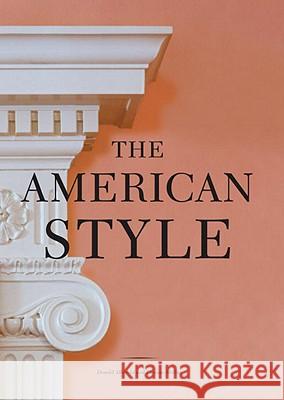
Easily the most recognizable architectural style in America, with its brick or shingled facades trimmed in white and ornamented with restrained classical detail, the Colonial Revival emerged in the late nineteenth century and is still the basis for classical design today. "The American Style "surveys the evolution of the Colonial Revival from the 1890s to the present, focusing on the period from 1900 to the 1930s when New York City was a major center of architecture and decorative arts. Leading architects, including McKim Mead & White, Delano & Aldrich, and Mott B. Schmidt, used its...
Easily the most recognizable architectural style in America, with its brick or shingled facades trimmed in white and ornamented with restrained classi...
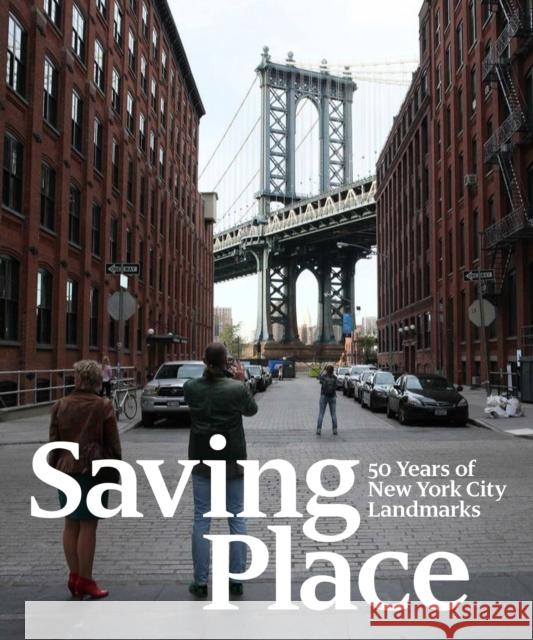
From irrefutable icons (Broadway theaters, Central Park, SoHo, Carnegie Hall), to lesser-known structures including the Cyclone rollercoaster on Coney Island, roughly one hundred street lampposts, and seven cast-iron street clocks throughout the city much of what makes New York City unique owes its existence to the New York City Landmarks Law. Born out of the destruction of McKim, Mead & White s monumental Pennsylvania Station, the Landmarks Law established the parameters for protecting the places that represent New York City s rich cultural, social, political, and architectural history....
From irrefutable icons (Broadway theaters, Central Park, SoHo, Carnegie Hall), to lesser-known structures including the Cyclone rollercoaster on Coney...
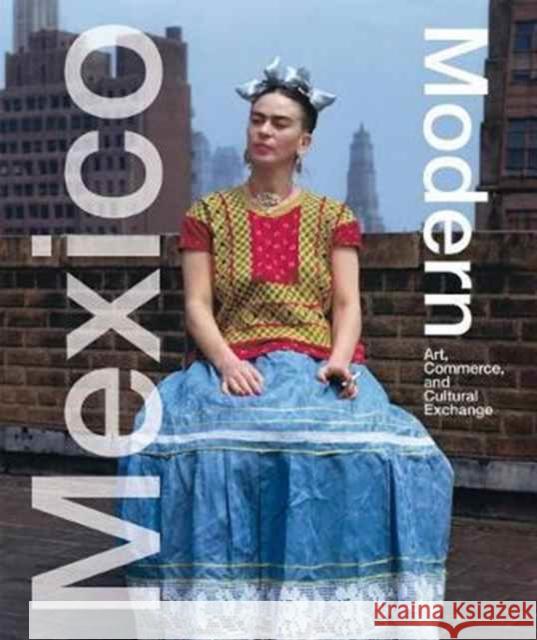
The 1920s and 1930s saw the birth of modernism in the United States, a new aesthetic, based on the principles of the Bauhaus in Germany: its merging of architecture with fine and applied arts; and rational, functional design devoid of ornament and without reference to historical styles. Alfred H. Barr Jr., the then 27-year-old founding director of the Museum of Modern Art, and 23-year-old Philip Johnson, director of its architecture department, were the visionary young proponents of the modern approach. Shortly after meeting at Wellesley College, where Barr taught art history, and as Johnson...
The 1920s and 1930s saw the birth of modernism in the United States, a new aesthetic, based on the principles of the Bauhaus in Germany: its merging o...