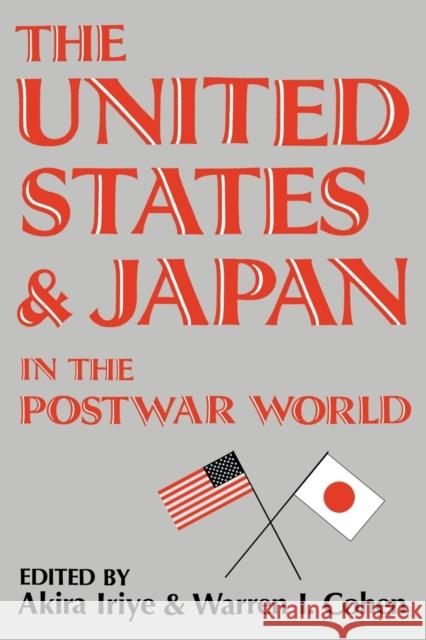
A major phenomenon in the post-World War II world is the rise of Japan as a leading international economic and industrial power. This advance began with American aid in rebuilding the nation after the war, but it has now seen Japan rival and even outstrip the United States on several fronts. The relations between the two powers and the impact that they have on economic and political factors during the postwar years are the focus of this important book. The editors, Akira Iriye and Warren I. Cohen, themselves noted authorities on Asian affairs, have gathered here contributions from a...
A major phenomenon in the post-World War II world is the rise of Japan as a leading international economic and industrial power. This advance began...
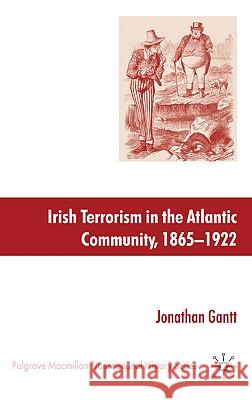
Using a transnational approach, this volume surveys the origins of Irish terrorism and its impact on the Anglo-Saxon community during an era of intense imperialism. While at times it posed sharp disagreements between Britain and the United States, their ideological repulsion to terrorism later led to cooperation in counter-terrorism strategies.
Using a transnational approach, this volume surveys the origins of Irish terrorism and its impact on the Anglo-Saxon community during an era of intens...
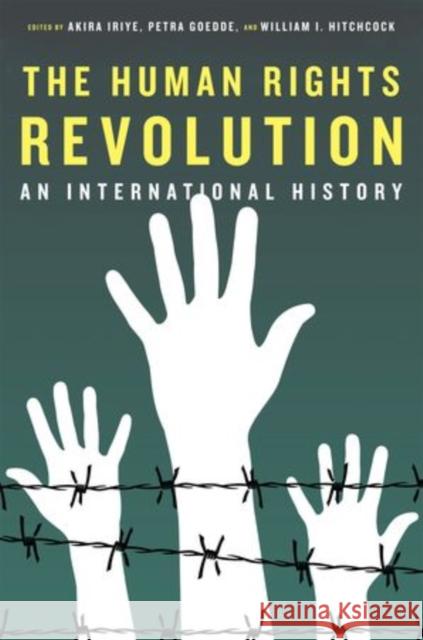
Between the Second World War and the early 1970s, political leaders, activists, citizens, protestors. and freedom fighters triggered a human rights revolution in world affairs. Stimulated particularly by the horrors of the crimes against humanity in the 1940s, the human rights revolution grew rapidly to subsume claims from minorities, women, the politically oppressed, and marginal communities across the globe. The human rights revolution began with a disarmingly simple idea: that every individual, whatever his or her nationality, political beliefs, or ethnic and religious heritage, possesses...
Between the Second World War and the early 1970s, political leaders, activists, citizens, protestors. and freedom fighters triggered a human rights re...
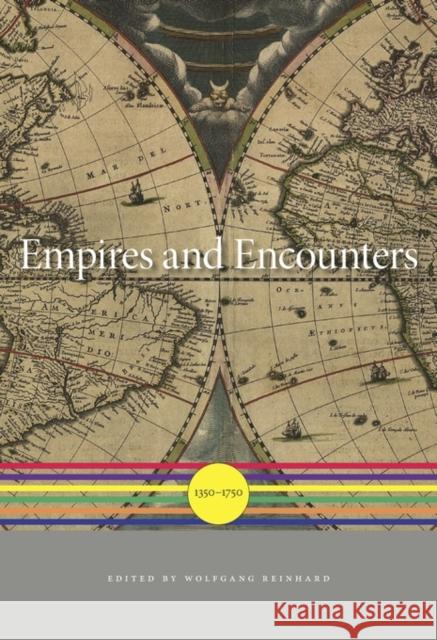
Between 1350 and 1750--a time of empires, exploration, and exposure to radically different lands and cultures--the world reached a tipping point of global connectedness. In this volume of the acclaimed History of the World series, noted international scholars examine five critical geographical areas during this pivotal period: Eurasia between Russia and Japan; the Muslim world of the Ottoman and Persian empires; Mughal India and the Indian Ocean trading world; maritime Southeast Asia and Oceania; and a newly configured transatlantic rim. While people in many places remained unaware of...
Between 1350 and 1750--a time of empires, exploration, and exposure to radically different lands and cultures--the world reached a tipping point of...
Together these essays tell the story of how two highly self-conscious cultures, with long and proud traditions of their own, have defined themselves both with respect to one another and under the influence of the West.
Originally published in 1980.
The Princeton Legacy Library uses the latest print-on-demand technology to again make available previously out-of-print books from the distinguished backlist of Princeton University Press. These editions preserve the original texts of these important books while presenting them in durable paperback and hardcover editions. The...
Together these essays tell the story of how two highly self-conscious cultures, with long and proud traditions of their own, have defined themselve...
Professor Iriye analyses the origins of the 1941 conflict against the background of international relations in the preceding decade in order to answer the key question: Why did Japan decide to go to war against so formidable a combination of powers?
Professor Iriye analyses the origins of the 1941 conflict against the background of international relations in the preceding decade in order to answer...