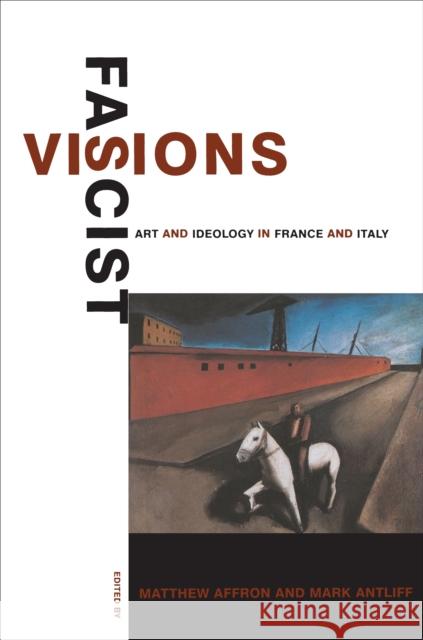
Bringing together studies by art historians, historians, and political scientists, Fascist Visions explores the themes and paradigms that pervaded protofascist and fascist aesthetic discourse, cultural policy, and artistic production in France and Italy. Whether traditionalist or innovative in idiom, art functioned as the expression of fascism's ideological polarities: nihilism and idealism, modernism and antimodernism, revolution and reaction. This volume charts the unfolding of fascist aesthetics from its genesis in nationalist and antimaterialist ideologies before World War I to...
Bringing together studies by art historians, historians, and political scientists, Fascist Visions explores the themes and paradigms that pe...
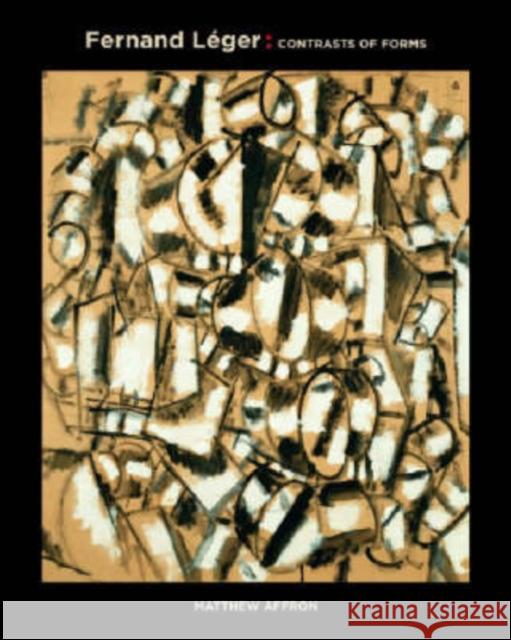
Between 1912 and 1914, Fernand Leger executed a large cycle of works known as the Contrasts of Forms. The series embraces the genres of landscape, still life, and figure, but at its core are numerous arresting compositions that sweep aside observation to focus on formal principles. The common denominator is a complex vocabulary of mingled cones, cylinders, cubes, and planes, vigorously outlined and scrubbed with color (in the paintings) or with black ink and white gouache (in the works on paper). The Contrasts of Forms are essential to two great chapters in the history of...
Between 1912 and 1914, Fernand Leger executed a large cycle of works known as the Contrasts of Forms. The series embraces the genres of la...
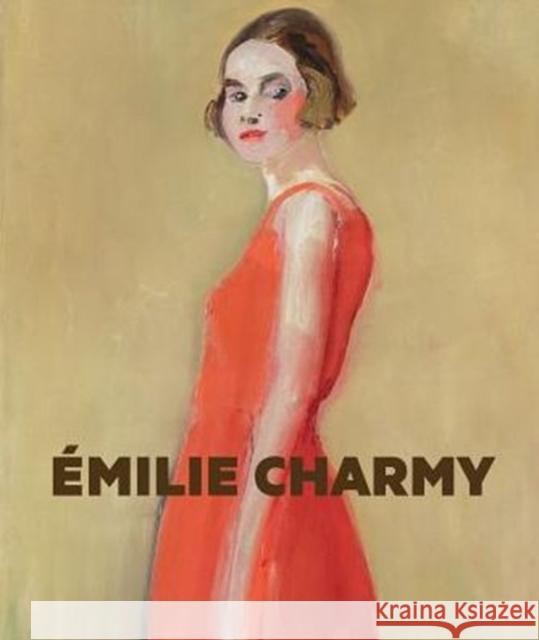
Emilie Charmy (1878-1974) charted a remarkable course in the world of French modern art in the first half of the twentieth century. Her earliest works, executed around 1900, explored the legacy of Impressionist and Post-Impressionist painting. An engagement with the avant-garde circle of Fauve painters defined her art in the years leading up to the First World War. In the ensuing interwar period, Charmy found her mature style, characterized by optical realism, an adherence to the traditional genres of portraiture, the nude, landscape, and still life, and a modernist notion of direct,...
Emilie Charmy (1878-1974) charted a remarkable course in the world of French modern art in the first half of the twentieth century. Her earliest wo...
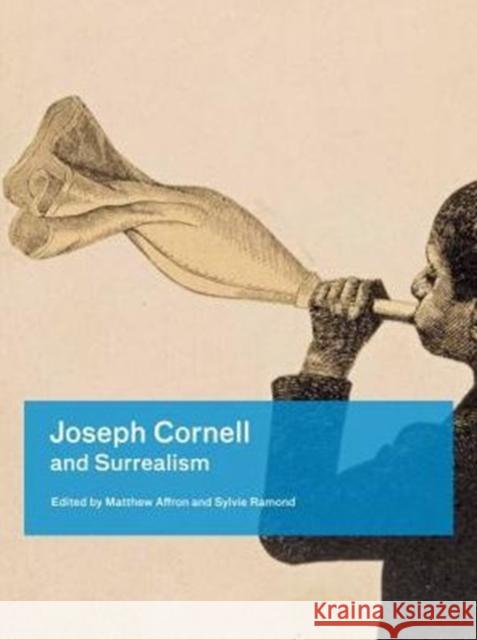
Joseph Cornell (1903-1972), the American pioneer of collage, montage, and assemblage art, is sometimes regarded as a solitary star within the constellation of great Surrealists. The essays in Joseph Cornell and Surrealism consider connections between Cornell and the Surrealist group during the 1930s and 1940s, during Cornell's artistic development and the heyday of Surrealism in the United States. He shared with the Surrealists his basic conception of the visual image as the product of poetic juxtaposition. In his best-known works--the collages, small constructions of found...
Joseph Cornell (1903-1972), the American pioneer of collage, montage, and assemblage art, is sometimes regarded as a solitary star within the const...