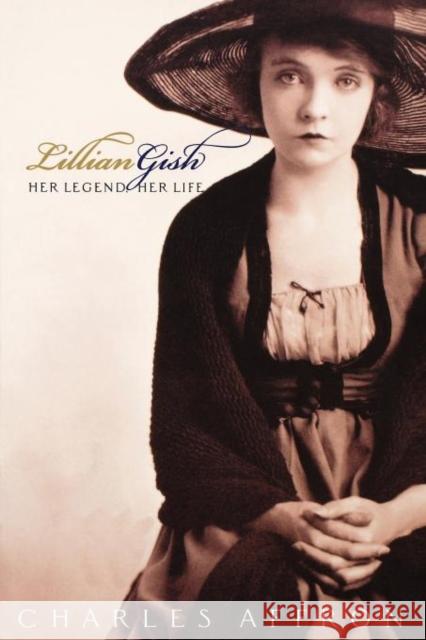
At the time of her death in 1993, Lillian Gish was universally recognized as a film legend. In this revealing and absorbing narrative, Charles Affron uses newly released documents to uncover a life that was cast in the shadow of self-generated myth. Filling the gaps left by Gish's selective memoirs and authorized biographies, he shows how the actress carefully shaped her public identity while keeping much of her life private. A New York Times Notable Book
At the time of her death in 1993, Lillian Gish was universally recognized as a film legend. In this revealing and absorbing narrative, Charles Affron ...
Robert Eberwein Charles Affron Mirella Jona Affron
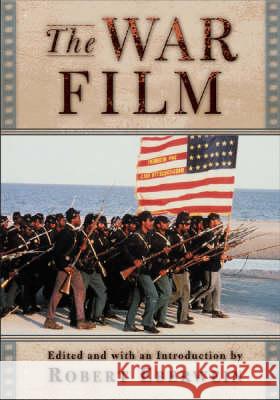
War has had a powerful impact on the film industry. But it is not only wars that affect films; films influence war-time behavior and incisively shape the way we think about the battles that have been waged. In "The War Film," Robert Eberwein brings together essays by scholars using a variety of critical approaches to explore this enduringly popular film genre. Contributors examine the narrative and aesthetic elements of war films from four perspectives: consideration of generic conventions in works such as "All Quiet on the Western Front," "Bataan," and "The Thin Red Line"; treatment of...
War has had a powerful impact on the film industry. But it is not only wars that affect films; films influence war-time behavior and incisively shape ...
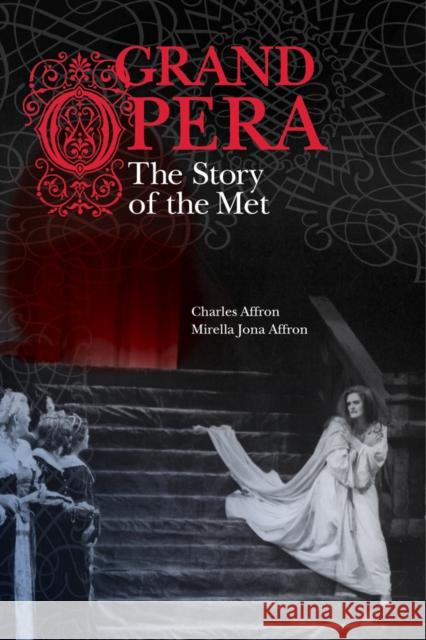
The Metropolitan has stood among the grandest of opera companies since its birth in 1883. Tracing the offstage/onstage workings of this famed New York institution, Charles Affron and Mirella Jona Affron tell how the Met became and remains a powerful actor on the global cultural scene. In this first new history of the company in thirty years, each of the chronologically sequenced chapters surveys a composer or a slice of the repertoire and brings to life dominant personalities and memorable performances of the time. From the opening night Faust to the recent controversial production of...
The Metropolitan has stood among the grandest of opera companies since its birth in 1883. Tracing the offstage/onstage workings of this famed New York...
In the nineteenth century, the French lyric poets imposed their diction on the theatrical genre and thus illuminated the essence of both poetry and theatre. Ten plays by Victor Hugo, the standard-bearer of the French romantic theatre, and Alfred de Musset, the romantic playwright most frequently performed in France today, are analyzed by Charles Affron to answer the question, "Can the dialetic form of the theatre accommodate the solitary elan of the lyric poet?"
As a functional point of departure, he considers those characteristics of lyric poetry--time, voice, and metaphor--which...
In the nineteenth century, the French lyric poets imposed their diction on the theatrical genre and thus illuminated the essence of both poetry and...
In the nineteenth century, the French lyric poets imposed their diction on the theatrical genre and thus illuminated the essence of both poetry and theatre. Ten plays by Victor Hugo, the standard-bearer of the French romantic theatre, and Alfred de Musset, the romantic playwright most frequently performed in France today, are analyzed by Charles Affron to answer the question, "Can the dialetic form of the theatre accommodate the solitary elan of the lyric poet?"
As a functional point of departure, he considers those characteristics of lyric poetry--time, voice, and metaphor--which...
In the nineteenth century, the French lyric poets imposed their diction on the theatrical genre and thus illuminated the essence of both poetry and...