Beginning sometime in the thirteenth century, people from the Hopi Mesas established a cluster of villages to the south along the Little Colorado River. They were attracted by the river's resources and the region's ideal conditions for growing cotton. By the late 1300s, these Homol'ovi villages were the center of a robust trade in cotton among many clusters of villages near or on the southern Colorado Plateau and were involved in the beginning of katsina religion among Hopi people. Charles Adams has directed fifteen years of research at these sites for the Arizona State Museum,...
Beginning sometime in the thirteenth century, people from the Hopi Mesas established a cluster of villages to the south along the Little Color...
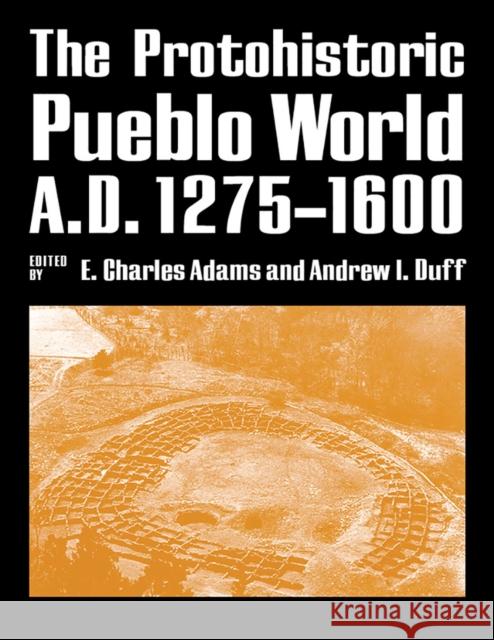
In the centuries before the arrival of Europeans, the Pueblo world underwent nearly continuous reorganization. Populations moved from Chaco Canyon and the great centers of the Mesa Verde region to areas along the Rio Grande, the Little Colorado River, and the Mogollon Rim, where they began constructing larger and differently organized villages, many with more than 500 rooms. Villages also tended to occur in clusters that have been interpreted in a number of different ways. This book describes and interprets this period of southwestern history immediately before and after initial...
In the centuries before the arrival of Europeans, the Pueblo world underwent nearly continuous reorganization. Populations moved from Chaco Ca...
Although the age and origin of katsina ceremonialism have long fascinated scholars, the reasons for its development have remained unexplored until now. E. Charles Adams here examines the concept of the katsina and the religion that developed around it, focusing on what makes katsinas unique, why the concept was developed, and what adaptive value it had for prehistoric Pueblo culture. The University of Arizona Press's Century Collection employs the latest in digital technology to make previously out-of-print books from our notable backlist available once again. Enriching historical and...
Although the age and origin of katsina ceremonialism have long fascinated scholars, the reasons for its development have remained unexplored until now...
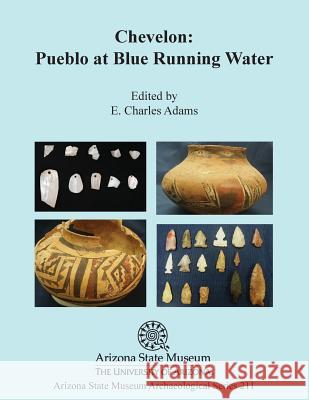
Chevelon was the focus of archaeological investigation by the Homol'ovi Research Program, Arizona State Museum, from 2002 to 2006. Chevelon Pueblo is a 500-room village that was built and occupied by ancestral Hopi from 1290 to the 1390s C.E. It is the third largest village in the Homol'ovi Settlement Cluster that grew up along the middle Little Colorado River in the late 13th century. Along with the village of Homol'ovi I, it is one of the two longest occupied villages. Particularly interesting is the use of fire to ritually close and seal many structures when the population...
Chevelon was the focus of archaeological investigation by the Homol'ovi Research Program, Arizona State Museum, from 2002 to 2006. Chevelon Pueblo ...