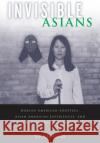
The first Korean adoptees were powerful symbols of American superiority in the Cold War; as Korean adoption continued, adoptees' visibility as Asians faded as they became a geopolitical success story--all-American children in loving white families. In Invisible Asians, Kim Park Nelson analyzes the processes by which Korean American adoptees' have been rendered racially invisible, and how that invisibility facilitates their treatment as exceptional subjects within the context of American race relations and in government policies. Invisible Asians draws on the life stories of more...
The first Korean adoptees were powerful symbols of American superiority in the Cold War; as Korean adoption continued, adoptees' visibility as Asians ...
The first Korean adoptees were powerful symbols of American superiority in the Cold War; as Korean adoption continued, adoptees' visibility as Asians faded as they became a geopolitical success story--all-American children in loving white families. In Invisible Asians, Kim Park Nelson analyzes the processes by which Korean American adoptees' have been rendered racially invisible, and how that invisibility facilitates their treatment as exceptional subjects within the context of American race relations and in government policies. Invisible Asians draws on the life stories of more...
The first Korean adoptees were powerful symbols of American superiority in the Cold War; as Korean adoption continued, adoptees' visibility as Asians ...
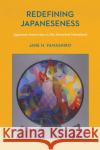
There is a rich body of literature on the experience of Japanese immigrants in the United States, and there are also numerous accounts of the cultural dislocation felt by American expats in Japan. But what happens when Japanese Americans, born and raised in the United States, are the ones living abroad in Japan? Redefining Japaneseness chronicles how Japanese American migrants to Japan navigate and complicate the categories of Japanese and "foreigner." Drawing from extensive interviews and fieldwork in the Tokyo area, Jane H. Yamashiro tracks the multiple ways these migrants...
There is a rich body of literature on the experience of Japanese immigrants in the United States, and there are also numerous accounts of the cultural...
Between Foreign and Family explores the impact of inconsistent rules of ethnic inclusion and exclusion on the economic and social lives of Korean Americans and Korean Chinese living in Seoul. These actors are part of a growing number of return migrants, members of an ethnic diaspora who migrate "back" to the ancestral homeland from which their families emigrated. Drawing on ethnographic observations and interview data, Helene K. Lee highlights the "logics of transnationalism" that shape the relationships between these return migrants and their employers, co-workers, friends, family,...
Between Foreign and Family explores the impact of inconsistent rules of ethnic inclusion and exclusion on the economic and social lives of Kore...
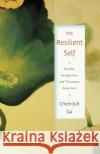
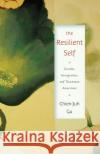
The Resilient Self explores how international migration re-shapes women's senses of themselves. Chien-Juh Gu uses life-history interviews and ethnographic observations to illustrate how immigration creates gendered work and family contexts for middle-class Taiwanese American women, who, in turn, negotiate and resist the social and psychological effects of the processes of immigration and settlement.
Most of the women immigrated as dependents when their U.S.-educated husbands found professional jobs upon graduation. Constrained by their dependent visas, these women could...
The Resilient Self explores how international migration re-shapes women's senses of themselves. Chien-Juh Gu uses life-history interviews and e...
The Resilient Self explores how international migration re-shapes women's senses of themselves. Chien-Juh Gu uses life-history interviews and ethnographic observations to illustrate how immigration creates gendered work and family contexts for middle-class Taiwanese American women, who, in turn, negotiate and resist the social and psychological effects of the processes of immigration and settlement.
Most of the women immigrated as dependents when their U.S.-educated husbands found professional jobs upon graduation. Constrained by their dependent visas, these women could...
The Resilient Self explores how international migration re-shapes women's senses of themselves. Chien-Juh Gu uses life-history interviews and e...
Between Foreign and Family explores the impact of inconsistent rules of ethnic inclusion and exclusion on the economic and social lives of Korean Americans and Korean Chinese living in Seoul. These actors are part of a growing number of return migrants, members of an ethnic diaspora who migrate "back" to the ancestral homeland from which their families emigrated. Drawing on ethnographic observations and interview data, Helene K. Lee highlights the "logics of transnationalism" that shape the relationships between these return migrants and their employers, co-workers, friends, family,...
Between Foreign and Family explores the impact of inconsistent rules of ethnic inclusion and exclusion on the economic and social lives of Kore...