A Thousand Pieces of Paradise is an ecological history of property and a cultural history of rural ecosystems set in one of Wisconsin's most famous regions, the Kickapoo Valley. While examining the national war on soil erosion in the 1930s, a controversial real estate development scheme, Amish land settlement, a U.S. Army Corps of Engineers dam project, and Native American efforts to assert longstanding land claims, Lynne Heasley traces the historical development of modern American property debates within ever-more diverse rural landscapes and cultures. Heasley argues that the way public...
A Thousand Pieces of Paradise is an ecological history of property and a cultural history of rural ecosystems set in one of Wisconsin's most famous re...
Internationally renowned for its pioneering role in the ecological restoration of tallgrass prairies, savannas, forests, and wetlands, the University of Wisconsin Arboretum contains the world's oldest and most diverse restored ecological communities. A site for land restoration research, public environmental education, and enjoyment by nature lovers, the arboretum remains a vibrant treasure in the heart of Madison's urban environment. "Pioneers of Ecological Restoration" chronicles the history of the arboretum and the people who created, shaped, and sustained it up to the present. Although...
Internationally renowned for its pioneering role in the ecological restoration of tallgrass prairies, savannas, forests, and wetlands, the University ...
With its charming heirloom gardens, historic livestock breeds, and faithfully recreated farmsteads and villages that span nearly 600 acres, Old World Wisconsin is the largest outdoor museum of rural life in the United States. But this seemingly time-frozen landscape of rustic outbuildings and rolling wooded hills did not effortlessly spring into existence, as John D. Krugler shows in Creating Old World Wisconsin. Visionaries, researchers, curators, and volunteers launched a massive preservation initiative to salvage fast-disappearing immigrant and migrant architecture. Dozens of historic...
With its charming heirloom gardens, historic livestock breeds, and faithfully recreated farmsteads and villages that span nearly 600 acres, Old World ...
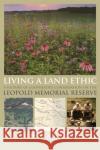
In 1935, in the midst of relentless drought, Aldo Leopold purchased an abandoned farm along the Wisconsin River near Baraboo, Wisconsin. An old chicken coop, later to become famous as the Leopold "Shack," was the property's only intact structure. The Leopold family embraced this spent farm as a new kind of laboratory-a place to experiment on restoring health to an ailing piece of land. Here, Leopold found inspiration for writing A Sand County Almanac, his influential book of essays on conservation and ethics. Living a Land Ethic chronicles the formation of the 1,600-acre...
In 1935, in the midst of relentless drought, Aldo Leopold purchased an abandoned farm along the Wisconsin River near Baraboo, Wisconsin. An old chicke...